Sunday, 5th April 2026
Khabor Wala Desk
Published: 13th November 2025, 9:10 AM
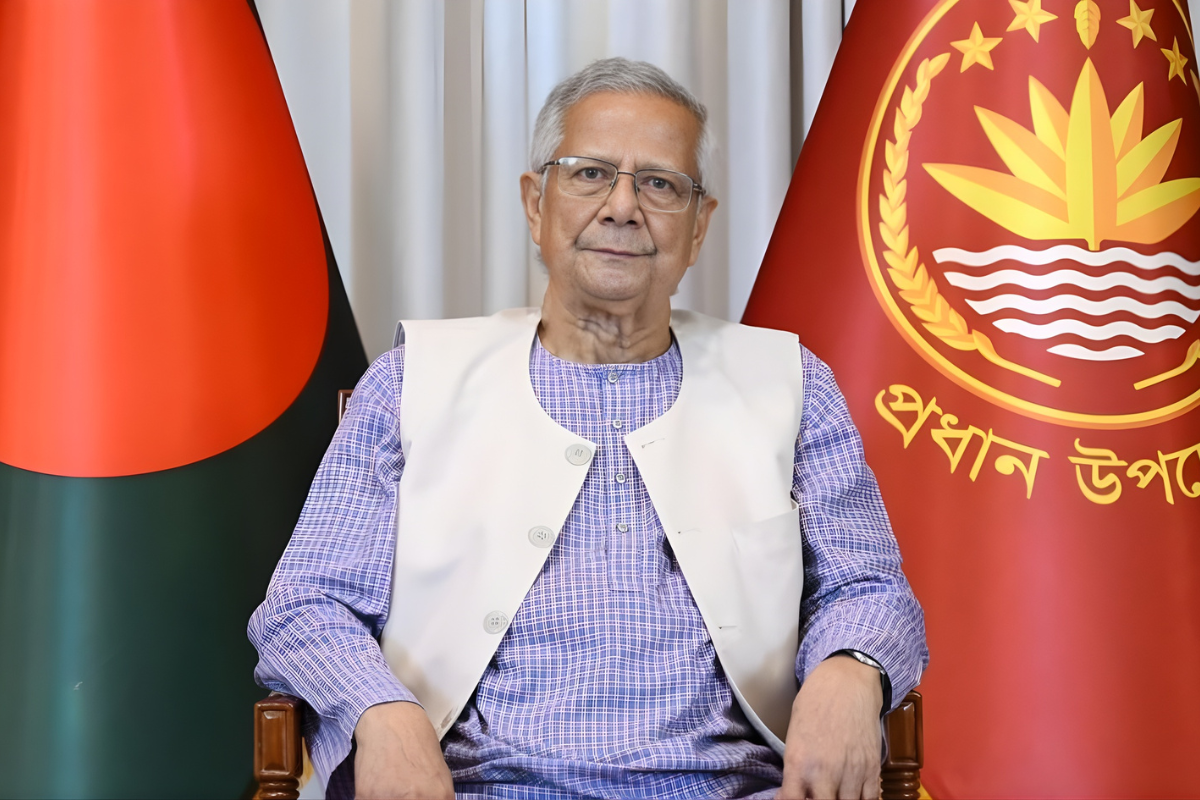
In the first half of February, the 13th National Parliamentary Election will be held alongside a referendum on the implementation of the July Accord, announced Chief Adviser Professor Dr. Muhammad Yunus.
In a speech to the nation on Thursday (November 13), Dr. Yunus made the announcement, stating, “We have decided, after careful consideration, that the referendum will be held on the same day as the national election. This means that both the national election and the referendum will take place in the first half of February, ensuring that the goals of reform are not hindered. The election will be more festive and cost-effective as a result.”
He further explained that necessary laws would be enacted at an appropriate time to facilitate the referendum. Dr. Yunus mentioned that the question to be presented on the referendum ballot, in line with the July Accord, has already been determined. The question will be as follows:
“Do you express your consent to the July National Accord (Constitutional Reform) Implementation Order 2025 and the following proposed constitutional reforms outlined in the July National Accord?”
The four key proposals to be included in the referendum are:
Transitional Government: The formation of a caretaker government, Election Commission, and other constitutional institutions as per the process outlined in the July Accord during the election period.
Bicameral Parliament: The next parliament will consist of two chambers. A 100-member upper house will be formed based on the proportion of votes each party receives in the national election. Constitutional amendments will require the approval of the majority of members in the upper house.
Political Reforms: The implementation of 30 proposals related to increasing female representation in parliament, election of the Deputy Speaker and committee chairs from the opposition, limiting the Prime Minister’s tenure, expanding the President’s powers, expanding fundamental rights, ensuring judicial independence, and strengthening local government.
Other Reforms: Other political reforms, as pledged by the political parties in the July Accord, will be implemented.
Voters will be asked to cast a ‘Yes’ or ‘No’ vote on these four proposals during the referendum. If the majority votes ‘Yes,’ a constitutional reform council will be formed, consisting of representatives elected in the national election. These representatives will also serve as members of the National Parliament.
Dr. Yunus further stated that the council will begin its work within 180 working days from the start of its first session, during which it will complete the constitutional reforms. After the reforms are completed, within 30 working days, the upper house will be formed in proportion to the votes received in the parliamentary election. The tenure of the upper house will last until the last working day of the lower house.



Comments