The North Atlantic Treaty Organisation (NATO) has reportedly ruled out joining any United States-led plan to blockade the strategically vital Strait of Hormuz, marking a significant divergence between Washington and its European allies at a time of heightened geopolitical tension in the Middle East.
According to statements issued on Monday (13 April), NATO member states made it clear that the alliance will not participate in any military action aimed at restricting or obstructing maritime movement through the strait while the ongoing regional conflict continues. The decision underscores deep divisions within the Western alliance over the use of force in one of the world’s most sensitive maritime corridors.
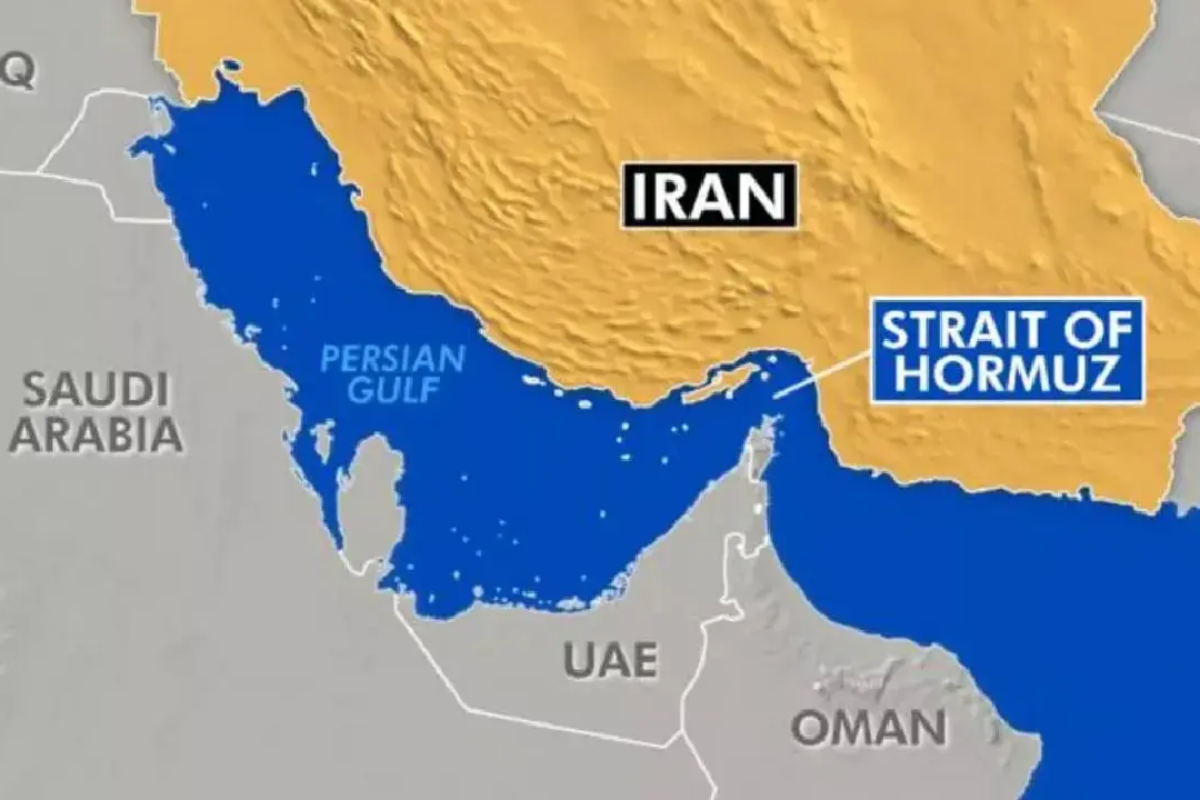
The Strait of Hormuz is widely regarded as one of the most important energy transit chokepoints globally, through which a substantial proportion of international oil and liquefied natural gas shipments pass daily. Any disruption in the area is expected to have immediate repercussions on global energy markets and supply chains.
Diverging Western Positions
The reported US proposal for a coordinated blockade effort has already sparked diplomatic friction within NATO. Former US President Donald Trump had earlier suggested that allied nations would support Washington in efforts to exert pressure in the region. However, European allies have now distanced themselves from such a course of action.
British Prime Minister Keir Starmer told the BBC that London would not support any military blockade operation. “Our position is absolutely clear,” he said. “We will not become directly involved in this conflict, regardless of the pressure applied.”
In addition to the United Kingdom, several key NATO members—including Germany, Spain, Italy, Poland, and Greece—have also rejected the idea of direct military involvement in enforcing any blockade of the strait.
NATO Member Positions (Summary)
| Country/Leader |
Position on Hormuz Operation |
| United Kingdom (Keir Starmer) |
Rejects military involvement |
| Germany |
Opposes blockade participation |
| Spain |
Rejects military action |
| Italy |
Opposes involvement |
| Poland |
Rejects intervention |
| Greece |
Opposes blockade support |
| France (Emmanuel Macron) |
Supports diplomatic maritime mission |
France Calls for Diplomatic Alternative
French President Emmanuel Macron adopted a more flexible stance, suggesting that Paris is open to discussions with allies, including the United Kingdom, on forming an international maritime mission. Such a mission, he indicated, would aim to safeguard commercial shipping routes and ensure freedom of navigation in the Strait of Hormuz.
However, Macron emphasised that any such initiative would depend on improving security conditions in the region and would not constitute immediate military escalation.
Strategic and Geopolitical Implications
The disagreement within NATO highlights growing strategic discomfort among European allies regarding direct military engagement in Middle Eastern flashpoints. While Washington has pushed for a firmer collective stance, European capitals appear increasingly cautious about being drawn into a wider regional confrontation.
Analysts suggest that the refusal to support a blockade plan could further strain transatlantic relations, particularly if tensions in the Gulf escalate. The Strait of Hormuz remains a critical artery for global energy supplies, and any attempt to restrict passage would likely trigger significant economic and diplomatic consequences.
Outlook
As the situation develops, attention will focus on whether diplomatic efforts can replace military proposals, and whether NATO can maintain internal cohesion amid diverging strategic priorities. For now, the alliance’s clear rejection of a US-led blockade marks a notable moment of policy divergence within the Western security framework, with potential long-term implications for global energy security and regional stability.





Comments