Sunday, 5th April 2026

Khabor Wala Desk
Published: 28th December 2025, 5:10 AM
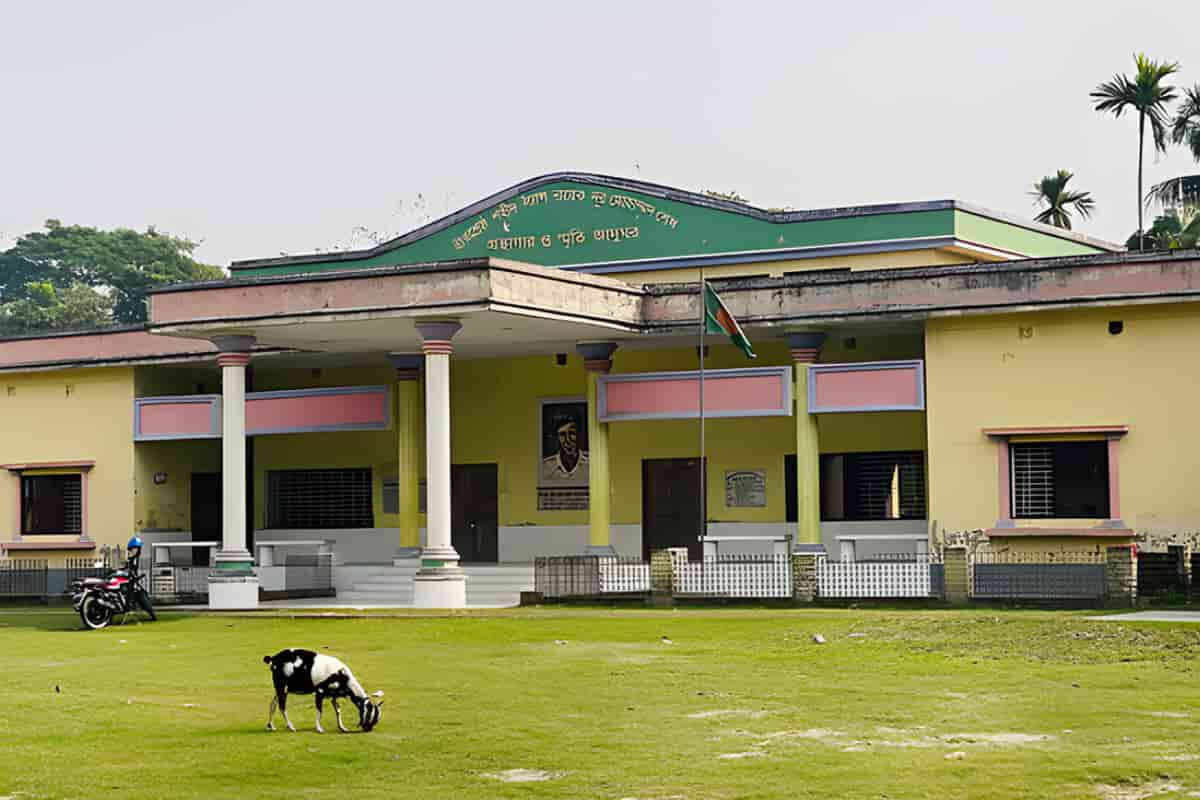
Across Bangladesh, memorial museums and libraries have been established to honour the nation’s highest war heroes—the Bir Sreshthos—who displayed extraordinary courage during the Liberation War of 1971. These institutions were designed not merely as repositories of artefacts and books, but as living spaces where future generations could learn about the sacrifices made for the country’s independence and cultivate a sense of patriotism.
Regrettably, many of these memorials are now suffering from chronic neglect, insufficient staffing, and inadequate maintenance, threatening their very existence.
The Bir Sreshtho Ruhul Amin Library and Memorial Museum in Sonaimuri, Noakhali, exemplifies this deterioration. The site lacks any structured effort to attract visitors and is managed solely by a lone caretaker. The paint on the walls is faded, five out of nine electric fans are non-functional, windows are shattered, and doors and chairs are damaged. Without a librarian, books chronicling the Liberation War remain neglected and vulnerable to further decay.
Similarly, the Bir Sreshtho Munshi Abdur Rouf Library and Memorial Museum in Faridpur faces severe operational challenges. Housing 5,179 books, it preserves only three artefacts related to the hero. Poor communication and limited accessibility have resulted in very few visitors. The absence of permanent staff means the museum relies entirely on daily-wage employees.
In Bhola, the Bir Sreshtho Sipahi Mohammad Mostafa Kamal Library and Memorial Museum is in even worse condition. It has no librarian, and the caretaker works on a daily wage. Of its 17 bookshelves, only nine are usable, and numerous books lie scattered or are damaged. No new acquisitions have been made for years, leaving the collection stagnating.
By contrast, the Bir Sreshtho Sipahi Hamidur Rahman Library and Memorial Museum in Jhenaidah is comparatively better maintained. It attracts 150–160 visitors daily and houses over 5,000 books, many concerning the Liberation War. Yet even here, permanent staff are absent; both librarian and caretaker are employed on contractual terms.
The table below summarises the current status of several key Bir Sreshtho memorial institutions:
| Bir Sreshtho | Location | Number of Books | Artefacts / Memorabilia | Staff | Current Challenges |
|---|---|---|---|---|---|
| Ruhul Amin | Noakhali | Limited | Photos & medals | 1 caretaker | Building dilapidated, books neglected, insufficient staff |
| Munshi Abdur Rouf | Faridpur | 5,179 | 3 minor artefacts | 1 librarian + 1 caretaker | Low visitors, no permanent staff |
| Mostafa Kamal | Bhola | Children & science books | None | 1 caretaker | No librarian, damaged books & shelves |
| Nur Mohammad Sheikh | Narail | 6,000 | Some personal items | 1 caretaker | Occasional closure, staff shortage |
| Hamidur Rahman | Jhenaidah | 5,000+ | Photos & murals | 1 librarian + 1 caretaker | No permanent staff, closed two days a week |
Experts stress that for these memorials to remain meaningful and engaging, proper maintenance, adequate staffing, regular publications, and initiatives to attract visitors are essential. Without such interventions, these invaluable collections of national heritage risk fading into obscurity, depriving future generations of a tangible link to Bangladesh’s Liberation War.


Comments