Sunday, 5th April 2026

Khabor Wala Desk
Published: 5th November 2025, 10:49 AM
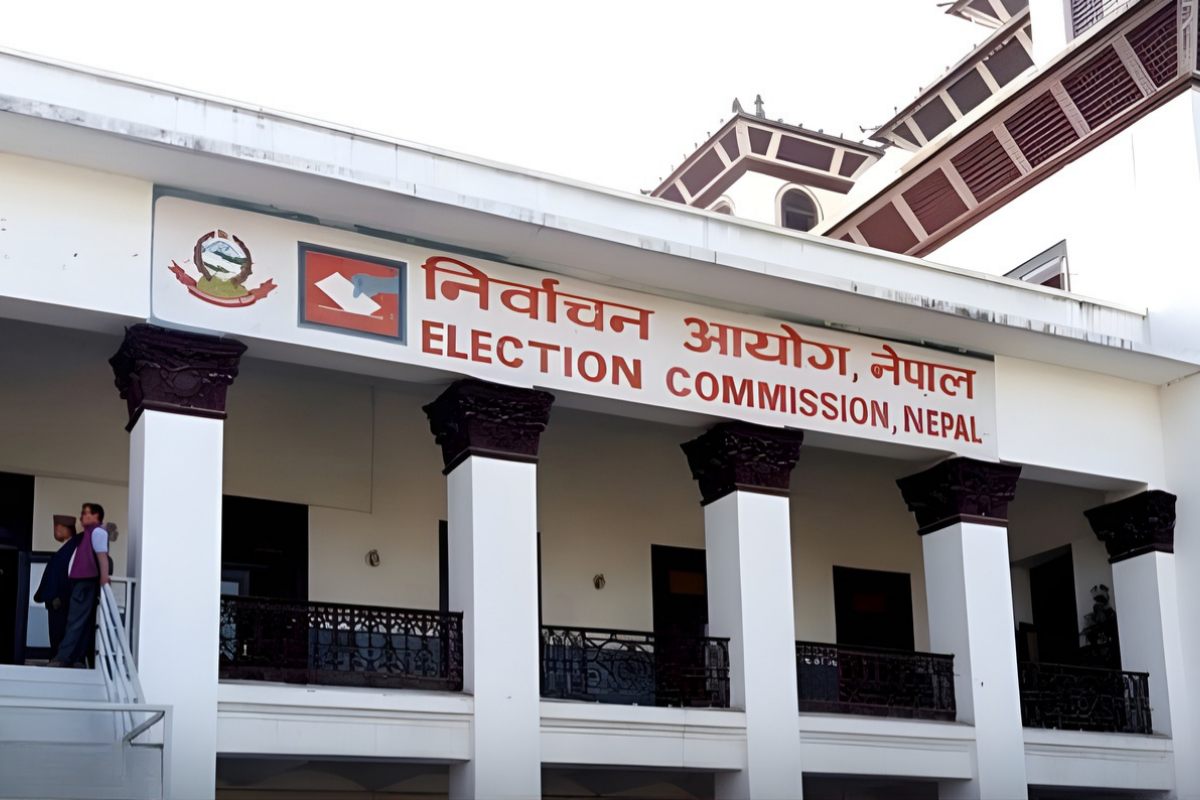
Nepal’s Election Commission announced on Wednesday that 125 political parties have registered to contest the country’s first parliamentary elections since a mass uprising in September toppled the government.
While many of the registered groups are established parties, some are newly formed movements led by youth activists who spearheaded the anti-corruption protests that swept the nation earlier this year.
“We are working with a belief that all political parties and citizens are eager to bring a new leadership to the country through the election,” commission spokesman Narayan Prasad Bhattarai told AFP.
Registration remains open for another two weeks, with the final list—including the precise number of new parties and those linked to youth groups—expected after the November 18 deadline.
The September protests, sparked by a brief ban on social media, quickly escalated into a nationwide movement against economic hardship and government corruption. Two days of violent unrest left at least 73 people dead and saw parliament, courts, and government buildings set ablaze.
In the aftermath, former chief justice Sushila Karki, 73, was appointed interim prime minister to guide Nepal until elections can be held.
Nepal’s political future remains uncertain, with deep public distrust of established parties posing a major challenge to holding credible polls. Nevertheless, Bhattarai emphasised that the commission is determined to “conduct the election in a peaceful, impartial, and fear-free environment.”
On October 29, Karki convened the first talks between political parties and youth representatives since the protests. All major parties, including that of ousted premier KP Sharma Oli, attended the discussions.
The unrest has further strained Nepal’s fragile economy. In October, the World Bank warned that “heightened political and economic uncertainty are expected to cause growth to decline” to 2.1 percent.
The bank also highlighted that a “staggering” 82 percent of Nepal’s workforce is engaged in informal employment, with GDP per capita projected at $1,447 in 2024.



Comments