Sunday, 5th April 2026

Khabor Wala Desk
Published: 17th January 2026, 12:09 AM
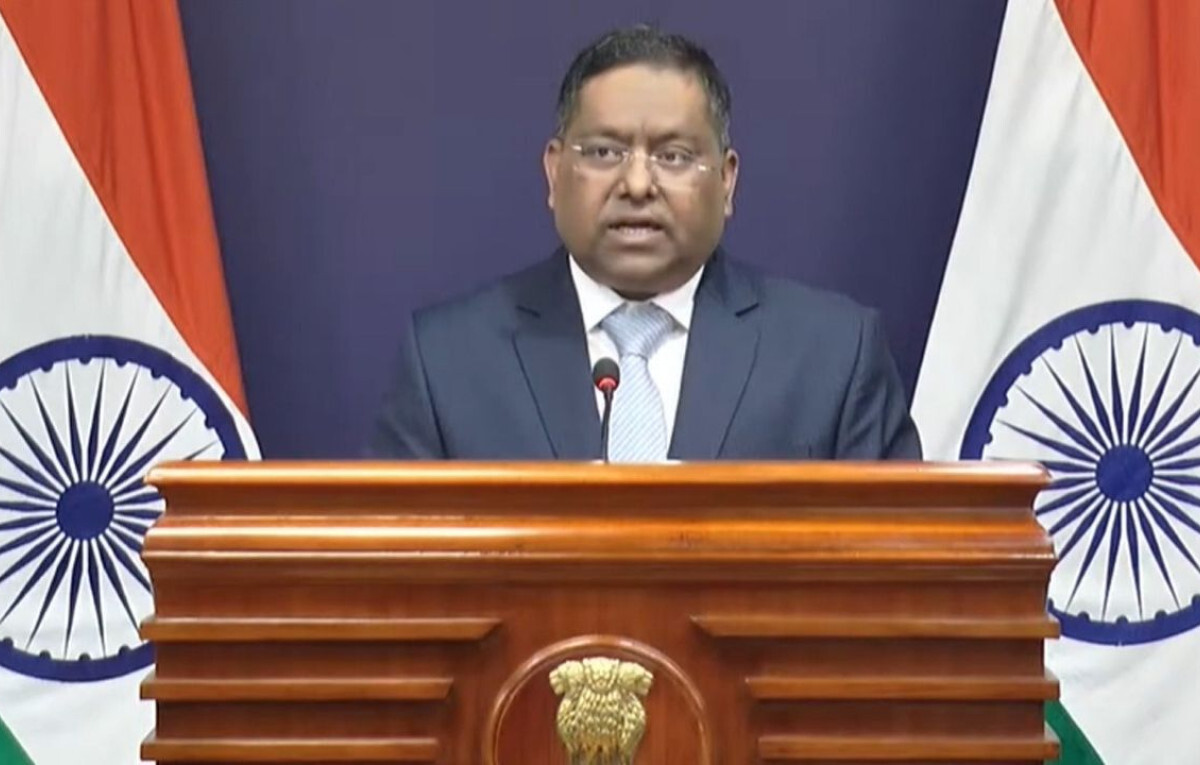
In a move that signals a pragmatic shift in regional diplomacy, the Indian Ministry of External Affairs (MEA) has officially confirmed a meeting between an Indian diplomat and the leadership of Bangladesh Jamaat-e-Islami. The acknowledgement comes following weeks of speculation after the Amir of the party, Dr Shafiqur Rahman, first disclosed the encounter to international media.
During a weekly press briefing held on Friday, 16 January 2026, MEA spokesperson Randhir Jaiswal addressed queries regarding India’s evolving relationship with various political factions in Bangladesh. When asked about the specific dialogue with Jamaat-e-Islami, Jaiswal framed the meeting as a standard component of diplomatic outreach.
“We maintain a close and multifaceted bilateral relationship with Bangladesh,” Jaiswal stated. “Our High Commission officials routinely engage in various dialogues across the political spectrum. The meeting with the party you mentioned [Jamaat] should be viewed within that context.”
The initial spark for this diplomatic discourse was an interview granted by Dr Shafiqur Rahman to Reuters on 1 January. In that conversation, the Amir revealed that he had sat down with an Indian diplomatic representative. However, he added a layer of intrigue by claiming that the Indian official had specifically requested that the meeting remain confidential at the time.
Dr Rahman emphasised the necessity of transparency and reconciliation, stating, “We must all be open with one another. We have no alternative but to improve our relations.” His comments suggest a desire from the party to shed its historical friction with New Delhi in favour of a more cooperative future.
The table below outlines the differing approaches to recent diplomatic meetings between various international missions and the Jamaat-e-Islami leadership in Dhaka.
| Diplomatic Mission | Visibility | Stated Objective |
|---|---|---|
| Western Embassies | Public / Transparent | Democratic process & human rights |
| European Union | Public / Formal | Election monitoring & governance |
| India (High Commission) | Initially Discrete | Regional stability & political outreach |
| United Nations | Public | Conflict resolution & peacebuilding |
Geopolitical analysts suggest that India is broadening its horizons in Bangladesh to ensure regional stability regardless of future electoral outcomes. By engaging with Jamaat-e-Islami—a party with which India has historically had a strained relationship—New Delhi is arguably adopting a “realpolitik” approach.
As Bangladesh moves closer to its next general election, India appears keen to avoid being seen as exclusive to any single political entity. The confirmation of this meeting underscores a broader strategy to maintain “functional relationships” with all potential stakeholders in the Bangladeshi political arena. This move is seen as essential to safeguarding India’s security interests and ensuring the continuity of cross-border infrastructure projects.
Comments