Sunday, 5th April 2026

Khabor Wala Desk
Published: 24th February 2026, 6:03 AM
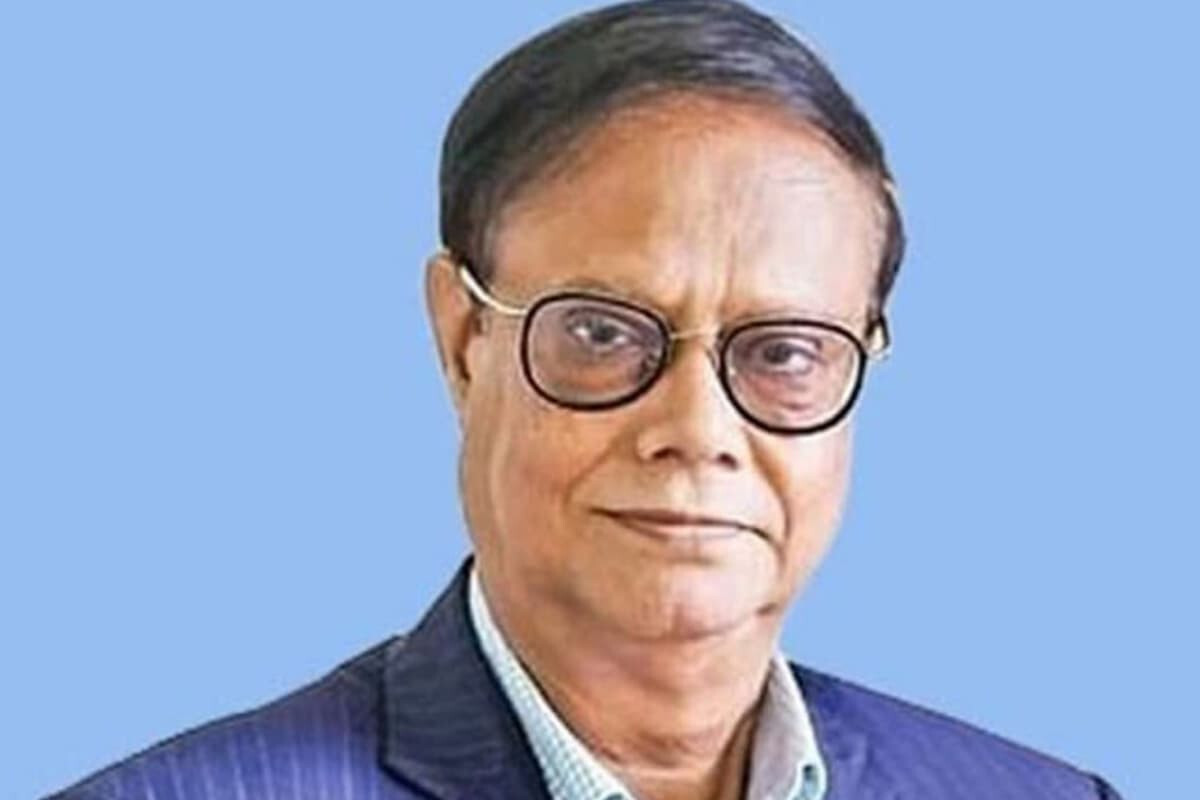
Bangladesh’s new government has pledged to continue the ongoing reforms within the country’s banking sector. The key objectives include controlling inflation, reducing the volume of non-performing loans (NPLs), and ensuring the stability of recently merged banks. This commitment was confirmed on Monday during a briefing with journalists by Bangladesh Bank Governor Ahsan H. Mansur.
Governor Mansur stated, “We have reviewed the progress of various banking reform initiatives with Finance Minister Ameer Khosru Mahmud Chowdhury. I presented the ongoing activities, and the Minister expressed strong support for their continuation. His response was extremely positive.”
He emphasised that controlling inflation remains one of the government’s foremost economic priorities. “There is no disagreement on the importance of inflation control,” Mansur said. “Bangladesh Bank is striving to achieve this through strict monetary policy, liquidity management, and interest rate coordination. We are limiting excess liquidity in the market while maintaining policy stability.”
The growth of non-performing loans was also a major point of discussion. The central bank has already undertaken legal action against major defaulters, enforced strict loan restructuring policies, identified delinquent borrowers, and increased transparency in loan classification. Mansur noted, “Regular consultations with bankers indicate that these measures are gradually producing results.”
Another key topic was the stability of United Islami Bank, formed through the merger of five banks. Deposits are steadily increasing, and administrators and the board are overseeing ongoing reforms ahead of appointing a new managing director.
| Bank Component | Authorised Capital (Billion BDT) | Paid-Up Capital (Billion BDT) | Government Share (Billion BDT) |
|---|---|---|---|
| Exim Bank | – | – | – |
| Social Islami Bank | – | – | – |
| First Security Islami Bank | – | – | – |
| Global Islami Bank | – | – | – |
| Union Bank | – | – | – |
| United Islami Bank (Merged) | 400 | 350 | 200 |
Following the merger, United Islami Bank now has an authorised capital of 400 billion BDT, a paid-up capital of 350 billion BDT, and a government share of 200 billion BDT.
In recent years, Bangladesh’s banking sector has faced challenges including loan irregularities, politically influenced lending, capital erosion, and weak oversight. After the political transition in August 2024, the interim administration initiated consistent reform measures, including bank mergers, board restructuring, legal actions against large defaulters, and liquidity support.
The new government’s responsibility is now to ensure full implementation of these reforms. Priorities include strengthening administrative capacity, filling capital shortfalls, enhancing risk management, reducing non-performing loans, and reinforcing sector-specific supervision.
Governor Mansur concluded, “The aim is not merely to stabilise the sector but to restore public confidence in the country’s banking system.”
If successfully implemented, these reforms are expected to bolster both economic stability and public trust in banks, creating a stronger foundation for Bangladesh’s long-term financial growth.


Comments