Sunday, 5th April 2026

Khabor Wala Desk
Published: 12th January 2026, 1:01 PM
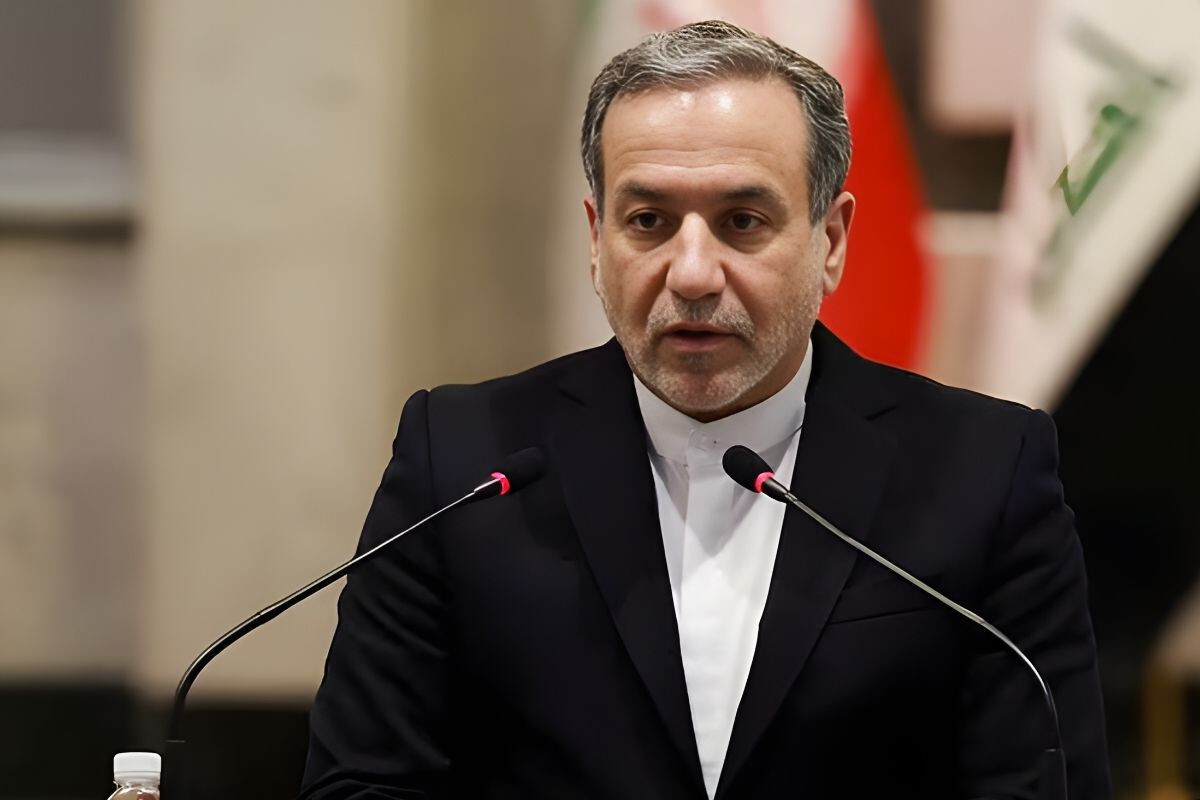
Iran has stated unequivocally that it does not seek war, yet remains fully prepared should conflict be imposed upon it, following renewed threats of military intervention from former United States President Donald Trump. The message was delivered on Saturday by Iran’s Foreign Minister, Abbas Araghchi, amid mounting regional tension and continued unrest in Tehran.
Speaking to journalists, Araghchi asserted that repeated threats of military action from Washington were not only destabilising but were actively encouraging what he described as “terrorist elements” to escalate violence within Iran. According to him, such rhetoric emboldens armed groups that deliberately target both demonstrators and security forces in an attempt to manufacture conditions favourable to foreign intervention.
Donald Trump has repeatedly warned that he possesses “very powerful options” regarding Iran, while US defence officials have confirmed that the American military is closely monitoring developments. Reports also indicate that the Trump camp has maintained indirect contact with Iranian opposition figures, further heightening Tehran’s suspicions of external interference.
Despite the strong language, Araghchi stressed that Iran continues to favour diplomacy and has not closed the door on negotiations. “We are prepared for war,” he said, “but we remain committed to dialogue conducted with dignity and mutual respect.”
Addressing questions about possible communication between Tehran and Washington amid the ongoing unrest, Iranian Foreign Ministry spokesperson Esmail Baghaei confirmed that indirect diplomatic channels remain open through Switzerland, which traditionally represents US interests in Iran. However, he expressed frustration over what he described as “contradictory and confusing messages” emanating from the United States.
Baghaei was responding to Trump’s recent claim that Iran had contacted him to initiate talks on its nuclear programme. While not directly denying all communication, Baghaei emphasised that Iran remains wary of mixed signals and insists that any future dialogue must be grounded in mutual recognition of interests and concerns—rather than unilateral pressure or imposed demands.
He reiterated that Iran considers itself a nation of dialogue, but one that firmly rejects diktats or foreign interference. Describing the current internal situation, Baghaei characterised the violence as a “terrorist war against the Iranian people” and framed it as part of what he alleged to be a broader pattern of aggression involving the United States and Israel.
According to him, Tehran possesses credible evidence that foreign-backed armed groups are deliberately targeting civilians. Iran, he said, intends to raise these allegations at international forums to seek global attention and accountability.
Araghchi concluded by reaffirming Iran’s willingness to engage with the United States, provided talks are conducted on the basis of sovereignty, dignity and reciprocal respect—principles Tehran insists are non-negotiable.
| Actor | Core Position | Key Statements |
|---|---|---|
| Iran (Government) | No desire for war, but fully prepared | Open to talks based on dignity and mutual respect |
| Abbas Araghchi | Rejects foreign interference | US threats encourage terrorism |
| Esmail Baghaei | Supports diplomacy via Switzerland | Rejects unilateral pressure |
| Donald Trump | Threatens intervention | Claims Iran sought nuclear talks |
| United States | Monitoring situation | Maintains indirect contacts |

Comments