Sunday, 5th April 2026

Khabor Wala Desk
Published: 28th March 2025, 9:04 AM
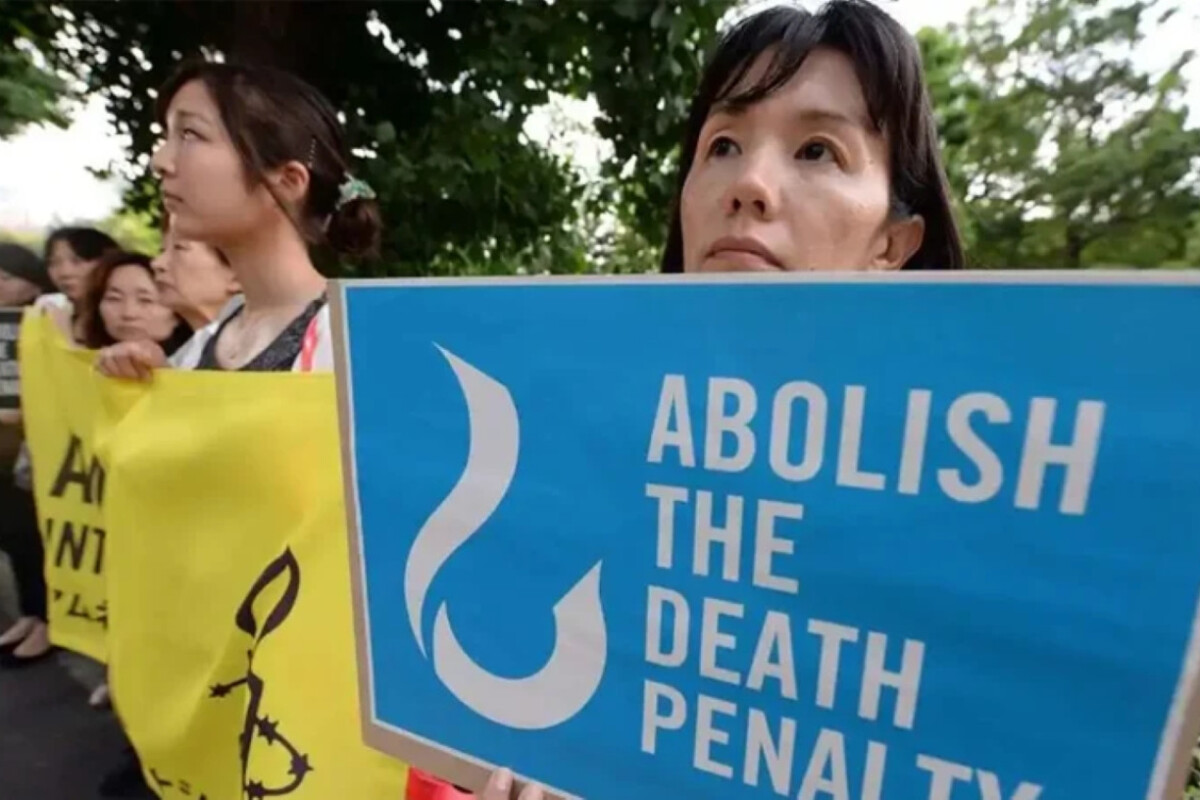
TOKYO, March 28, 2025 (BSS/AFP) – Capital punishment in Japan is once again under scrutiny following the awarding of $1.4 million in compensation to Iwao Hakamada, the world’s longest-serving death row prisoner. Hakamada was acquitted in a retrial last year after spending over 45 years on death row.
The case has cast a spotlight on the high stakes surrounding wrongful convictions in Japan, a country where the death penalty enjoys widespread public support despite mounting international criticism regarding the way it is implemented.
Here are key aspects of Japan’s death penalty system:
Japan is one of the few developed nations that retains the death penalty, alongside the United States, with both countries being members of the Group of Seven (G7) industrialised nations. Public opinion strongly backs the practice, with a 2024 survey revealing that 83 percent of Japanese respondents considered the death penalty “unavoidable”. Furthermore, 62 percent believed that families of murder victims “would never feel vindicated” if capital punishment were abolished.
However, the survey also indicated a shift in attitudes, with support for abolition rising from 9 percent to 17 percent over the past five years. Approximately 70 percent of those against abolition cited the “irrevocable” consequences of executing someone who may be wrongfully convicted.
As of December 2023, approximately 107 prisoners were awaiting execution in Japan, according to the Ministry of Justice. Executions in the country are carried out exclusively by hanging. The law requires executions to occur within six months of a final verdict after all appeals have been exhausted. However, in practice, death row inmates often remain in solitary confinement for years, sometimes even decades, creating severe mental health consequences.
Hanging has been Japan’s sole method of execution for around 150 years. Death row prisoners are led to the gallows blindfolded, with their feet and hands cuffed. The execution is carried out when several prison officers each press a button in a separate room, with none of them knowing which button activates the trapdoor.
In 2022, three death row prisoners filed a lawsuit against the hanging method, calling it “cruel”. Critics argue that it is prone to botched executions and results in agonising deaths. Despite these concerns, Japan’s Supreme Court has upheld hanging as an acceptable form of capital punishment, ruling that the method is not inherently cruel unless it involves “burning, crucifixion, decapitation, or boiling”.
The last execution in Japan took place in July 2022, marking the longest hiatus in executions since 2007, when the Ministry of Justice began disclosing the names of those executed. The last person hanged was Tomohiro Kato, who killed seven people in a 2008 rampage in Tokyo’s Akihabara district.
In 2018, Japan executed Shoko Asahara, the guru of the Aum Shinrikyo doomsday cult, along with 12 of his followers. The group was responsible for the 1995 sarin gas attack on Tokyo’s subway system, which killed 14 people and left thousands more ill.
In January 2025, the death penalty of Shinji Aoba, who was convicted for the 2019 arson attack on an anime studio that killed 36 people, was finalised after he withdrew his appeal.
One of the most widely criticised aspects of Japan’s death penalty system is the lack of transparency surrounding executions. Inmates are often informed of their impending execution only in the early morning of the day it occurs. Amnesty International has reported that some prisoners receive no prior warning at all.
This system of last-minute notification has caused significant psychological distress, prompting two inmates to file a lawsuit in 2021 challenging the practice. Additionally, family members are not allowed to witness the final moments of their loved ones.
Critics argue that the public remains largely uninformed about the death penalty system, which limits the ability to form an opinion on the issue. In November 2024, a group of lawmakers, legal experts, and victims of crime suggested that Japan consider suspending executions for further review, as South Korea has done without facing a surge in serious crimes.
While the debate continues, the case of Hakamada has once again put Japan’s capital punishment system in the global spotlight, prompting calls for reform and increased transparency.




Comments