Sunday, 5th April 2026

Khabor Wala Desk
Published: 11th February 2026, 12:25 AM
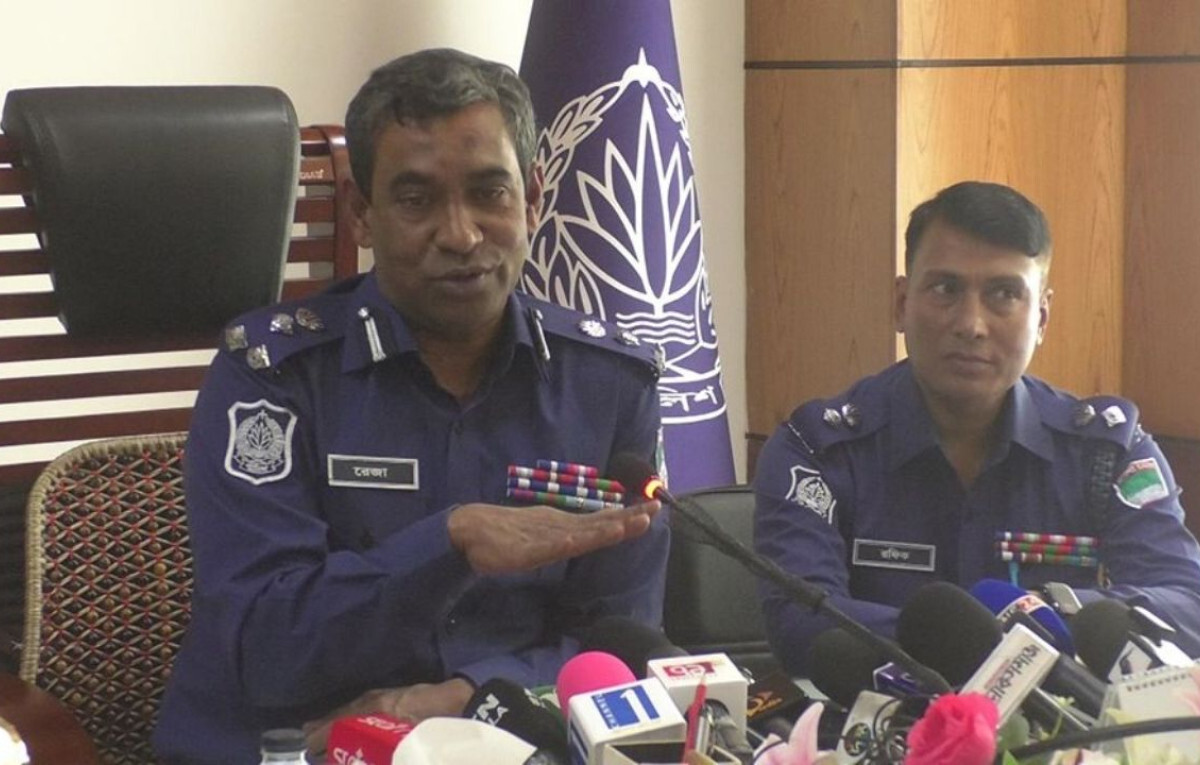
In a significant shift towards de-escalating potential electoral violence, the Deputy Inspector General (DIG) of the Khulna Range, Rezaul Haque, has announced that police personnel deployed for the upcoming National Parliamentary Election will be restricted to the use of non-lethal ammunition. Speaking during a press briefing at the office of the Superintendent of Police in Jashore on Tuesday, DIG Haque confirmed that officers would exclusively utilise rubber bullets in their shotguns, entirely eschewing the use of metal-based “lead ball” ammunition.
The DIG elucidated the technical rationale behind this directive, noting that shotguns typically accommodate two varieties of ammunition: rubber bullets and lead balls (metal). While metal projectiles are designed for high-impact penetration and can cause severe, often permanent, physical injury, the DIG emphasised that the police’s objective is not to inflict bodily harm on the citizenry.
“Our goal is not to injure people,” DIG Haque stated. “In the past, both types of ammunition were deployed during civil unrest. This year, however, we have issued a total ban on lead ball ammunition for election duty. We have not issued any metal rounds to our officers; only rubber bullets have been provided for risk management.”
Despite the provision of rubber bullets, the DIG expressed a preference for total restraint, urging the public to maintain a peaceful environment so that even non-lethal force remains unnecessary. However, he clarified that should polling stations come under attack, or if ballot boxes are snatched or voters threatened, the police will intervene strictly in accordance with the Code of Criminal Procedure (CrPC) and Bengal Police Regulations (BPR).
| Ammunition Type | Material | Status for Election | Intended Effect |
|---|---|---|---|
| Rubber Bullet | Synthetic Rubber | Authorised | Kinetic impact for deterrence; non-penetrative. |
| Lead Ball | Metal / Lead | Prohibited | High penetration; significant physical injury risk. |
During the briefing, the DIG was questioned regarding the historical “envelope culture”—a euphemism for the bribery of police officers by electoral candidates. Addressing these concerns with candour, Haque defended the integrity of the 64 police stations under the Khulna Range.
He asserted his confidence in his subordinates, stating that as the head of the regional police family, he believes his colleagues will uphold professional standards. He maintained that no reports of such misconduct had reached his office but invited journalists and the public to report any specific allegations, promising rigorous investigation and disciplinary action against anyone who “dishonours the force.”
The briefing was also attended by Jashore’s Superintendent of Police, Syed Rafiqul Islam, as the region prepares for the heightened security requirements of the 12 February polls.

Comments