A fresh consignment of octane has arrived in Bangladesh following recent disruptions in global energy markets triggered by conflict in the Middle East, offering relief to supply concerns that had affected parts of the domestic fuel distribution network.
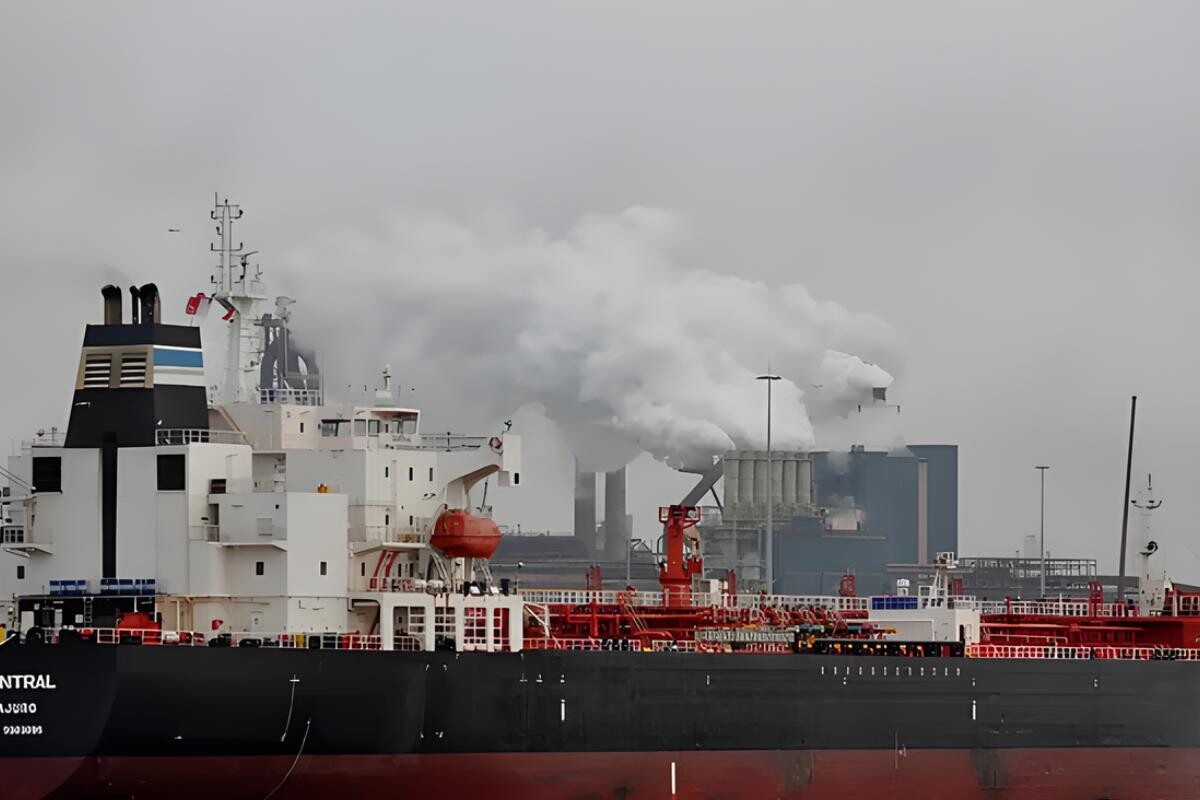
The vessel MT Central Star docked at Chattogram Port on Thursday afternoon carrying approximately 26,000 tonnes of octane. According to the Bangladesh Petroleum Corporation (BPC), the shipment was supplied by Vitol, a Singapore-based international energy trading company, with the fuel originating from Malaysia.
The unloading and distribution operations are being handled by Meghna Petroleum Limited, a state-owned subsidiary responsible for marketing petroleum products in the country. Managing Director Mohammad Shahidul Hasan stated that there is currently no acute shortage of octane in the national supply chain. He added that the unloading process is expected to be completed within two days, after which distribution to filling stations will continue in phases.
Octane is primarily used as fuel for motorcycles, private cars, and microbuses, making it a key refined petroleum product for urban transport demand. Following the escalation of tensions in the Middle East at the end of February, disruptions in global shipping routes and supply timing contributed to temporary shortages at several filling stations across Bangladesh. In some locations, motorists experienced long queues, while others displayed notices indicating that octane was unavailable.
Although the situation has improved gradually over the past month, officials acknowledge that supply stability is still in the process of normalisation. The latest shipment is expected to ease pressure on the distribution system and strengthen short-term stock levels.
The Bangladesh Petroleum Corporation remains the sole state authority responsible for fuel imports in the country. According to its publication BPC Barta, octane accounted for approximately 6 per cent of total fuel supply in the 2024–25 financial year. During the same period, total octane consumption reached around 415,000 tonnes, nearly half of which was met through domestic refining, with the remainder imported.
As of 6 April, national octane reserves stood at 10,526 tonnes. In March, average daily consumption was recorded at 1,222 tonnes; however, this was slightly reduced to 1,114 tonnes per day in April as supply adjustments were introduced to manage distribution pressure.
Octane Supply Snapshot
| Indicator |
Figure |
| Shipment quantity |
26,000 tonnes |
| National reserve (as of 6 April) |
10,526 tonnes |
| Average daily consumption (March) |
1,222 tonnes |
| Average daily consumption (April) |
1,114 tonnes |
| Annual consumption (2024–25) |
415,000 tonnes |
| Domestic production share |
~50% |
| Import dependency |
~50% |
Earlier in March, Bangladesh received 10 fuel tankers carrying diesel, jet fuel, and furnace oil amid heightened global market volatility. However, seven scheduled vessels were delayed due to international logistical constraints. Notably, no octane-specific shipment had arrived in the preceding month, making the latest delivery particularly significant for stabilising urban fuel demand.
Officials at the BPC expect that with continued imports and steady refinery output, the domestic octane supply situation will return to normal levels in the coming weeks.





Comments