Sunday, 5th April 2026

Khabor Wala Desk
Published: 20th October 2025, 9:41 AM
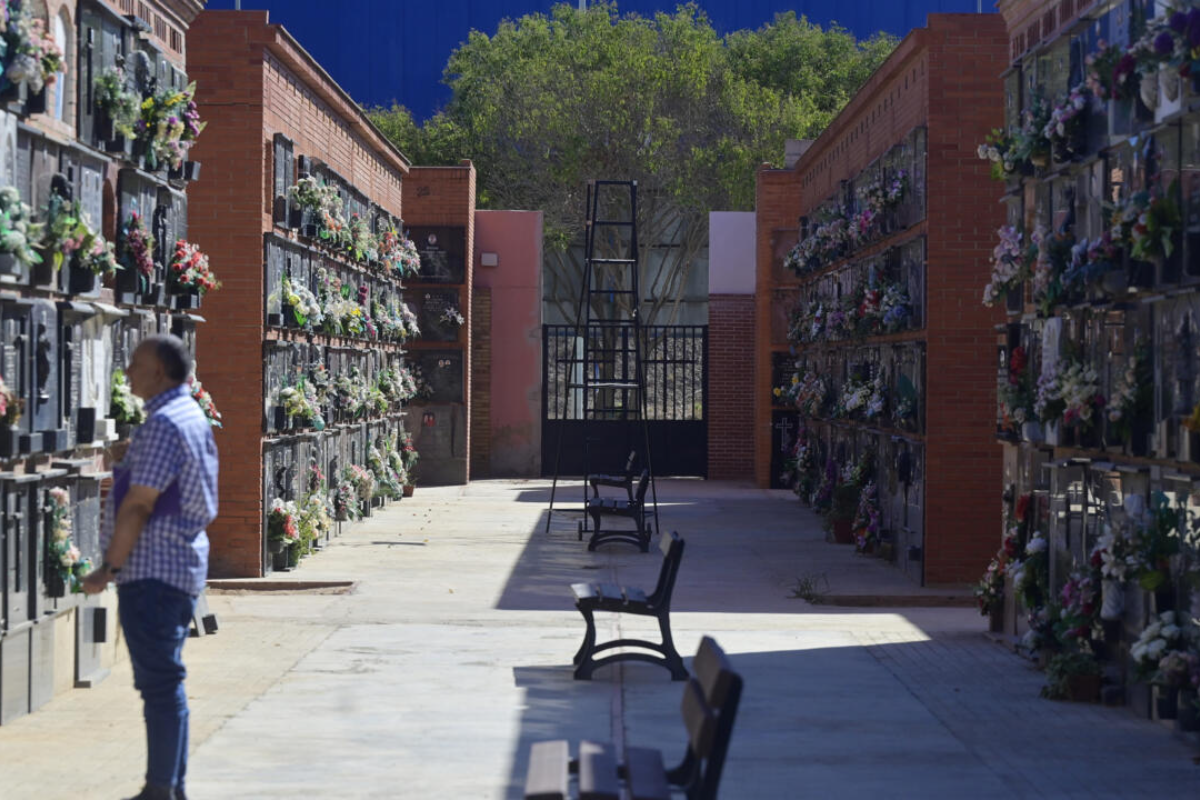
When the first autumn rains began to fall this year, Toni García immediately drew her curtains shut. For her, rain is no longer a symbol of renewal — it is a haunting reminder of the tragedy that swept through her life one year ago, when devastating floods killed more than 200 people across Spain, including her husband and only daughter.
“Everything comes back to me — from being with my family to suddenly being alone,” García said through tears at her modest home in Benetússer, on the southern edge of the Mediterranean city of Valencia.
“On 29 October 2024, many families, including mine, perished,” she recalled.
Though it did not rain directly in Benetússer that grey Tuesday, torrential downpours several kilometres away caused a “tsunami of reeds and water” to rush into her street. From her balcony, García watched helplessly as her husband Miguel, 63, and daughter Sara, 24 — a nurse — went to the basement garage to move their cars in anticipation of flooding.
Neither survived. They were among the 237 victims, mostly from the province of Valencia, in what became Spain’s worst natural disaster in a generation.
“They were my whole life. I will fight for them because they died unjustly,” García said, condemning the regional government for failing to issue timely warnings.
Scale of the Devastation
| Category | Details |
| Total Deaths | 237 people (majority in Valencia province) |
| Municipalities Affected | 78 |
| Vehicles Destroyed | 130,000 |
| Homes Damaged | Thousands |
| Debris Generated | 800,000 tonnes |
| Businesses Impacted | Over 8,000 |
| Schools Damaged | 115 (8 to be fully rebuilt) |
The floods left swathes of destruction across Valencia and surrounding towns. “We were left with only what we were wearing,” said Pedro Allegue, 81, a retired resident of Paiporta, one of the hardest-hit areas where 45 people lost their lives.
Standing in the partly rebuilt shell of his home, Allegue described escaping through a courtyard stairwell with his wife as floodwaters consumed their ground floor.
The muddy silence that followed has since given way to the roar of reconstruction machinery. Businesses, homes, and streets are being restored — but memories remain raw.
“I lost six months of my life, but I’ve reopened,” said David Parra, 51, owner of a trophy shop in Paiporta. He narrowly escaped the flood by breaking through his bathroom ceiling.
In his newly reopened shop, Parra has placed the books and shovels used by volunteers in the cleanup as part of his display window — a small memorial to the solidarity that followed tragedy.
“It’s so people remember,” he said, pointing to a ceramic tile inscribed with:
“The flood reached this point. Only the people save the people.”
In Alfafar, just three kilometres away, heavy machinery now demolishes the remains of Orba School, one of eight educational institutions that must be rebuilt from scratch. The floods disrupted classes for over 48,000 students across the region.
“Many children freeze or become anxious at the first sign of rain,” said Ana Torres, 47, a mother of two, as she escorted her children to temporary prefabricated classrooms.
Her family returned to their water-damaged home only a month ago. “Not being able to live life as before makes it hard to move on,” she admitted quietly.
In Catarroja, where 25 people perished, a wall bears a stark message painted in black: “20:11 — Neither forget nor forgive.”
It marks the exact time when flood warnings finally reached residents’ mobile phones — far too late for many.
“When I managed to speak to my father at 7:50 p.m., he was drowning,” said Rosa Álvarez, 51, whose 80-year-old father was crushed when floodwaters collapsed a wall in their home.
Now leading an association for victims, Álvarez accuses the authorities of criminal negligence. “My father was killed by their inaction,” she said, vowing to continue the legal fight for justice.
Monthly protests have since become a ritual in Valencia, demanding the resignation of regional president Carlos Mazón. The next demonstration is set for Saturday.
Regional officials, however, maintain that they lacked sufficient meteorological data to issue earlier warnings.
“This isn’t just a personal wound — it’s a wound we all share,” Álvarez said.
“We must ensure that something like this never happens again.”



Comments