Sunday, 5th April 2026

Khabor Wala Desk
Published: 29th June 2025, 5:33 PM
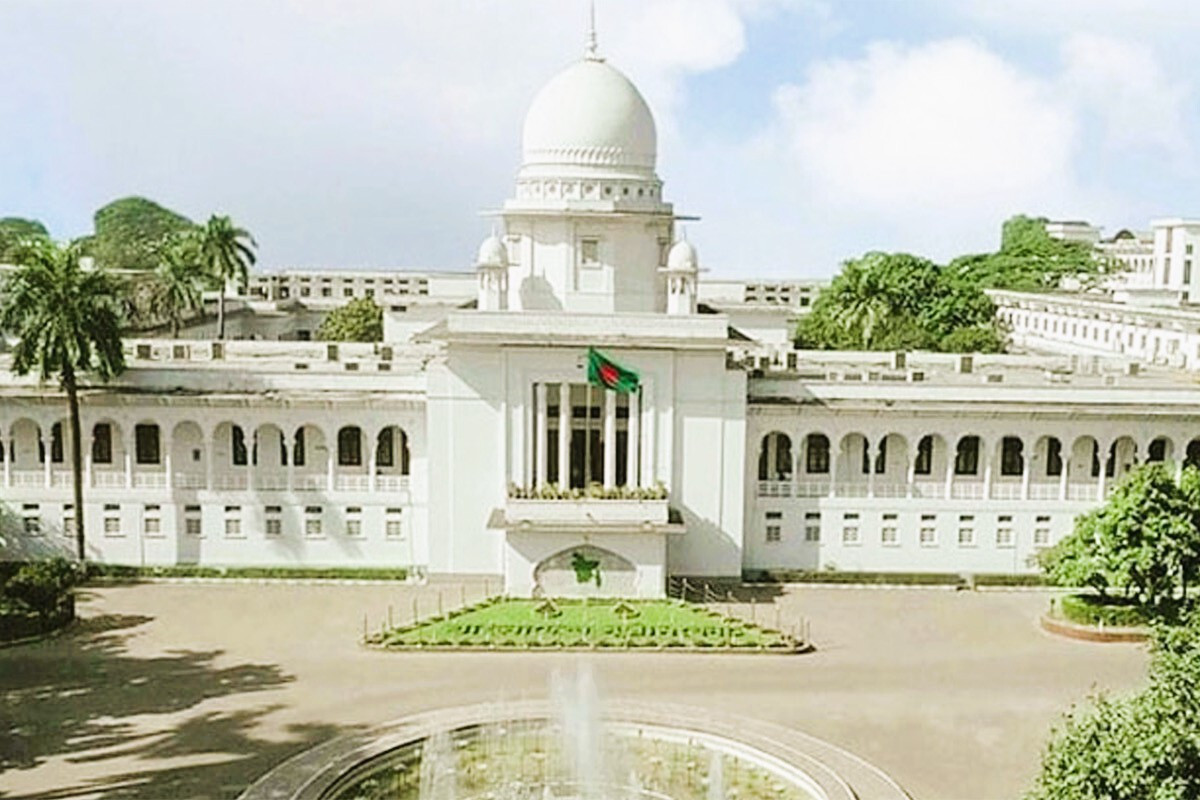
On 3 January 2018, an Appellate Division bench of five judges, led by then Acting Chief Justice Md. Abdul Wahhab Miah, issued an order accepting a highly controversial gazette notification concerning disciplinary regulations for magistrates and lower-court judges.
👩⚖️ Current Review and Suspension
A six-judge bench of the Appellate Division, presided over by Chief Justice Dr Syed Refaat Ahmed, has now suspended the earlier order acknowledging the disciplinary regulations gazette. This decision came after hearing a review petition and granting leave for appeal.
⚖️ Representation at the Review Hearing
Upon suspension of the 2018 gazette order, Barrister Monir stated that it removes any legal barriers to the ongoing High Court hearings and rulings concerning disciplinary proceedings under Article 116 of the Constitution. Moreover, he clarified that the gazette’s provisions remain effectively in force to prevent any regulatory “vacuum” for subordinate-court judges.
🏛️ Historical Context of Lower-Court Judges & Discipline Governance
🗓️ Timeline of Key Developments
| Year | Event |
| 1994 | Lower-court judges’ pay-grade downgraded; 218 judges, led by Secretary Masdar Hossain, file High Court writ |
| 1995 (19 Nov) | High Court stays pay reduction and issues rule on validity of inclusion in BCS cadre |
| 1997 (7 May) | High Court declares Judicial Service an independent service |
| 1999 (2 Dec) | Appellate Division issues final judgment under 12-point directives to separate judiciary from executive department |
| 2007 | Most directives implemented—Judicial Service Commission formed; other issues pending |
| 2018 (3 Jan) | Five-judge bench accepts controversial disciplinary gazette for lower-court judges |
⚖️ Key Directives for Judicial Independence (1999)
The Appellate Division’s 12-point directive included:
Despite the formation of the Judicial Service Commission in 2007, many directives remained unimplemented.
🧾 Disciplinary Gazette Controversy
🔍 Review Hearing Insights
Barrister Monir commented during the review:
“We argued that this disciplinary code was imposed by ‘assaulting’ the judiciary under the leadership of the Acting Chief Justice. Nine other judges had opposed it earlier. It was a coercive use of the judiciary to compel issuance of the gazette. It sets a dangerous precedent and must be reviewed swiftly.”
The suspension of the 2018 order underscores the court’s serious concern over judicial autonomy and the integrity of procedural norms. While the contentious gazette remains in suspended limbo, the court’s action leaves the ongoing High Court review concerning disciplinary regulation of subordinate judges unhindered.




Comments