Sunday, 5th April 2026

Khabor Wala Desk
Published: 27th January 2026, 11:27 AM
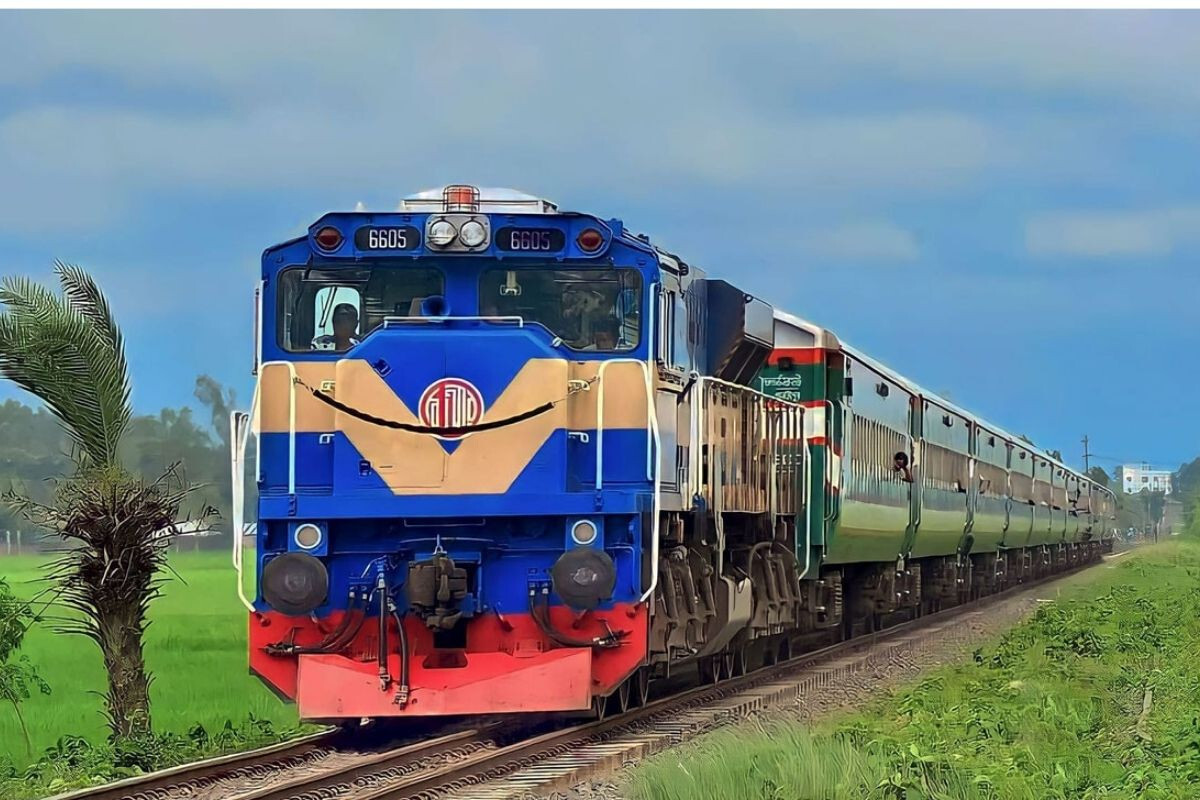
In a major crackdown on fare evasion, Bangladesh Railway has identified 2,153 passengers travelling without tickets in a single day, collecting close to BDT 477,085 in combined fares and fines.
The operation, conducted on Monday, 26 January 2026, was confirmed by the official Bangladesh Railway verified page on Tuesday, 27 January. The Eastern Zone of Bangladesh Railway spearheaded the initiative, deploying 100 Ticket Checking Engineers (TCEs) across the region. Over the course of the day, these officers carried out inspections on 75 trains, ensuring compliance with ticketing regulations and curbing revenue losses.
During the operation, a total of 2,153 fare-dodgers were apprehended. Authorities collected BDT 330,830 in unpaid fares from these passengers, alongside BDT 146,225 in fines. Altogether, the sweep contributed a total of BDT 477,085 to railway coffers.
In addition to the enforcement actions, the operation also involved the verification of 2,441 tickets, underscoring the meticulous nature of the railway’s inspection protocol. Officials emphasised that these efforts are part of a broader initiative to discourage fare evasion, improve compliance, and safeguard the financial stability of the national railway network.
A breakdown of the operation is provided below:
| Metric | Number / Amount |
|---|---|
| Trains Inspected | 75 |
| Ticket Checking Engineers (TCEs) | 100 |
| Passengers Found Without Tickets | 2,153 |
| Total Fares Collected (BDT) | 330,830 |
| Total Fines Collected (BDT) | 146,225 |
| Total Revenue from Operation (BDT) | 477,085 |
| Tickets Verified | 2,441 |
Bangladesh Railway officials reiterated that such operations will continue regularly to maintain discipline among passengers and ensure that revenue leakage is minimised. They also urged travellers to purchase tickets in advance and comply with railway regulations to avoid fines and inconveniences during travel.
This crackdown reflects the railway’s commitment to enforcing accountability and highlights the ongoing challenges posed by fare evasion, which, if unchecked, can significantly impact the financial sustainability of public transportation services.



Comments