Sunday, 5th April 2026

Khabor Wala Desk
Published: 8th March 2026, 8:34 AM
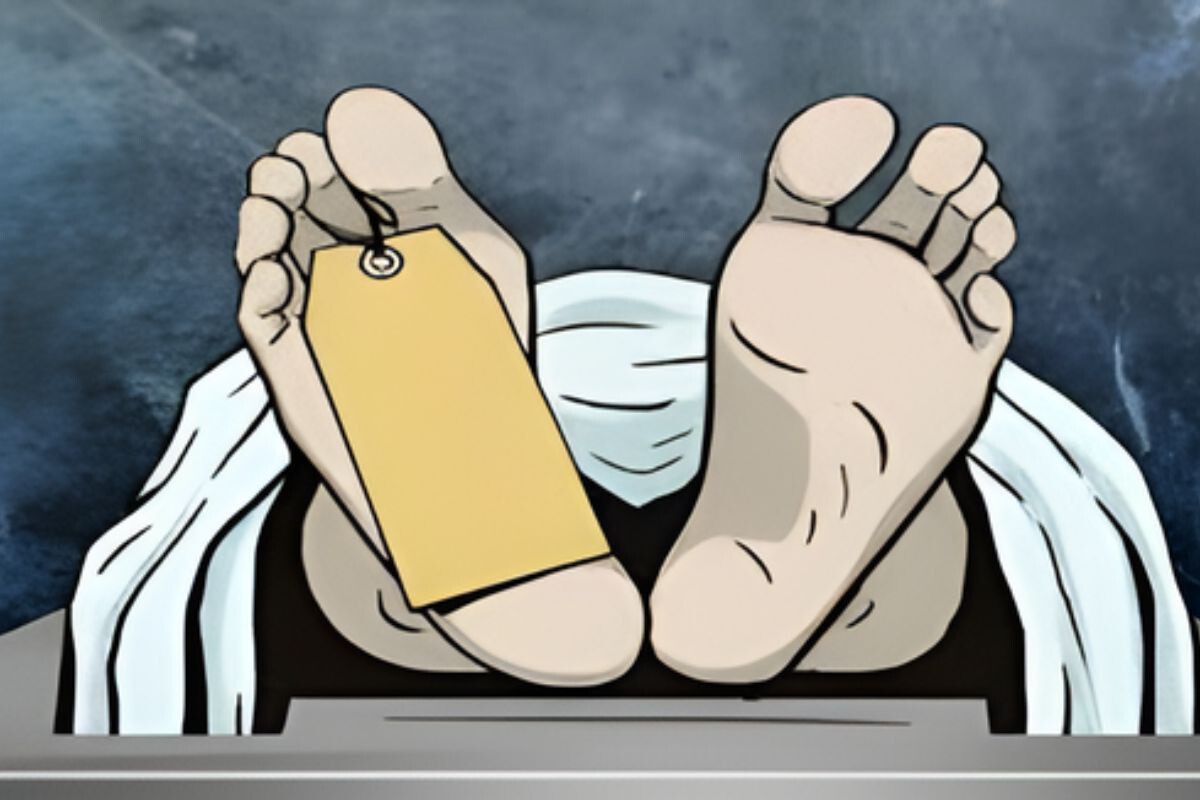
Across Bangladesh, the number of bodies being recovered from rivers continues to rise, revealing a grim pattern: many victims were murdered elsewhere, with their corpses deliberately dumped into waterways. Police officials assert that criminals increasingly choose rivers to dispose of bodies, aiming to destroy evidence and evade legal scrutiny.
Last year alone, at least 301 bodies of men, women, and children were retrieved from rivers nationwide. In 2024, the figure rose to 440 bodies. Over the past five years, more than 2,000 bodies have been recovered from various rivers. Shockingly, over 600 of these remain unidentified, and more than 150 murder investigations are still ongoing in relation to these unclaimed corpses.
| Year | Bodies Recovered | Identified | Unidentified | Murder Cases Registered |
|---|---|---|---|---|
| 2021 | 400 | 280 | 120 | 28 |
| 2022 | 475 | 330 | 145 | 35 |
| 2023 | 301 | 210 | 91 | 32 |
| 2024 | 440 | 310 | 130 | 41 |
| Total | 2,064 | 1,425 | 639 | 154 |
On 28 August last year, a headless body was found in Shitalakkhya, Narayanganj. With the assistance of the Police Bureau of Investigation (PBI), fingerprints helped identify the victim as 27-year-old Habib from Madhya Kanchpur, Sonargaon. However, his head has yet to be recovered. Following identification, the PBI assumed investigative responsibility, arresting at least four suspects.
Similarly, on 23 August, an unidentified woman and child were recovered from the Buriganga River. Forensic examinations revealed they had been strangled before being dumped. Despite six months passing, the victims remain unidentified, as water and environmental conditions had erased their fingerprints. Police have preserved DNA samples, cross-checking them against missing person records in ongoing investigations.
Sadarghat Thana’s officer-in-charge, Sohag Rana, emphasised, “We often struggle to identify bodies from rivers. Without identification, investigations stall. Criminals exploit waterways to evade arrest.”
Marufa Yasmin, Superintendent of Police (Intelligence) at the Naval Police Headquarters, stated that from 2021 until last year, 2,064 bodies were recovered from rivers nationwide. Out of these, 1,425 were identified, while 639 remained unknown. For these unidentified bodies, 154 murder investigations are underway.
Investigators note that immersion in water accelerates decomposition, destroys evidence, and sometimes causes confusion due to injuries from boats or fish. Initially, such deaths may be recorded as unnatural deaths (UD) but are later reclassified as murder if evidence emerges.
Dr. Touhidul Haque, Associate Professor of Social Welfare and Criminology at the University of Dhaka, explained, “Criminals deliberately choose rivers and railway paths to dispose of bodies to erase evidence. In organised crimes, the disposal site is often pre-planned before the killing.”
Abdullah Al Mamun, Superintendent of Naval Police, Dhaka, added, “When identification is impossible, our final report to the court notes the incident occurred but the identities of the victims or perpetrators remain unknown. DNA samples are preserved for future leads, allowing cases to be reopened if new information arises.”

Comments