Sunday, 5th April 2026

Khabor Wala Desk
Published: 23rd July 2025, 2:49 PM
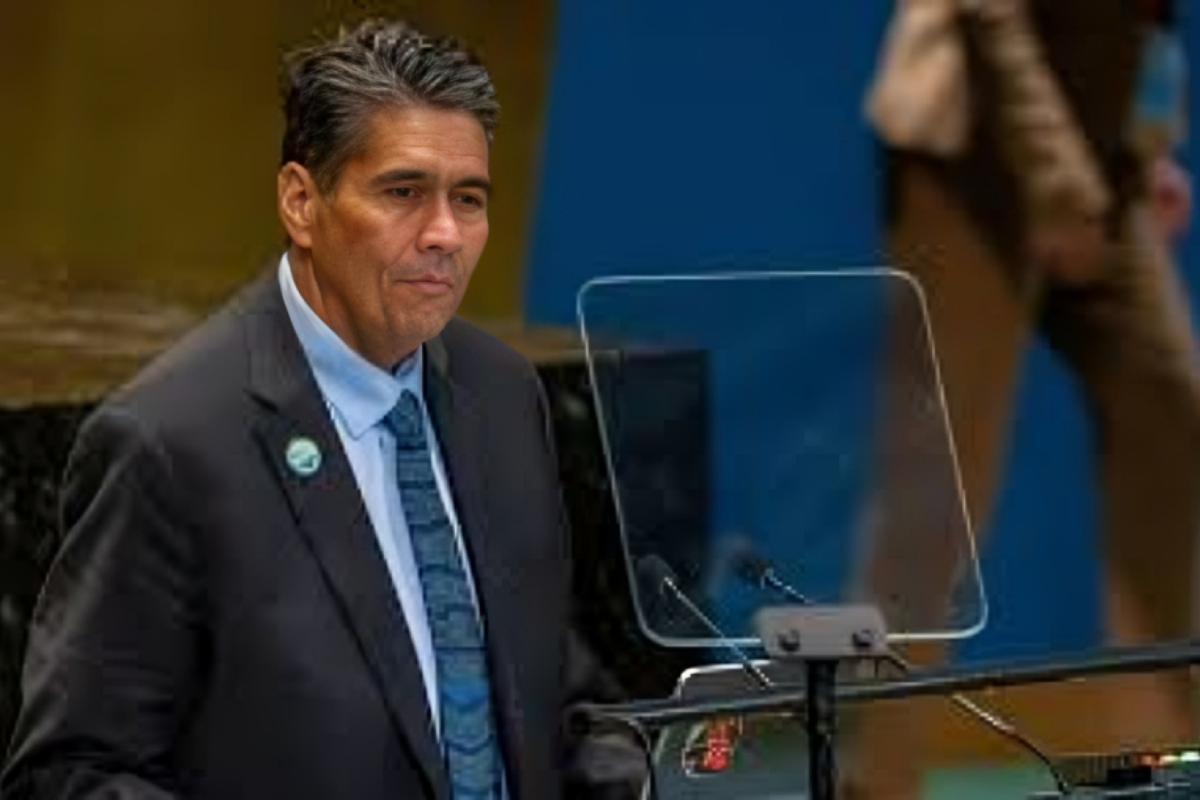
The United States is in talks with the Republic of Palau, a tiny island nation in the Pacific, to potentially host asylum seekers under a new relocation arrangement, Palauan authorities confirmed on Wednesday.
Located approximately 800 kilometres (500 miles) east of the Philippines, Palau—an archipelago of volcanic islands and coral atolls with a population of around 20,000—has long been one of Washington’s closest allies in the Pacific region.
Palau’s President, Surangel Whipps Jr, recently received a formal request from the United States to accept third-country nationals seeking asylum in the US, his office stated. The proposal is currently under deliberation by the Council of Chiefs, a traditional and influential advisory body in Palauan politics.
“A meeting was held last week. So far, no decision has come out of that meeting,” a presidential spokesperson told AFP.
Details of the Proposed US–Palau Asylum Deal
| Aspect | Details |
| Request Origin | United States government |
| Recipient | President Surangel Whipps Jr |
| Decision-Making Body | Palau’s Council of Chiefs |
| Status | Under consideration |
| Population of Palau | Approx. 20,000 |
| Agreement Terms (Draft) | Palau retains full discretion; all actions must comply with its constitution |
| Past US Considerations | El Salvador, Libya, Rwanda |
Political and Strategic Background
The proposal arrives as part of US President Donald Trump’s broader policy to curb illegal immigration and reduce the intake of asylum seekers. In January, Trump signed an executive order titled “Protecting the American People Against Invasion”, which suspended the admission of many refugees seeking entry into the United States.
Details on how many asylum seekers Palau might receive—or what form of compensation or support it may be offered in return—remain unclear. Nonetheless, Palau’s government noted:
“Based on the most recent draft agreement, Palau would have full discretion to decide whether or not to accept any individuals, and all actions would be consistent with our constitution and laws.”
Photos shared by the Palauan president’s office showed US Ambassador Joel Ehrendreich attending high-level talks with senior officials to discuss the request.
The US Embassy in Palau declined AFP’s request for comment.
Diplomatic Pressure and Palau’s Strategic Ties
Though the proposal remains undecided, observers suggest Palau may find it diplomatically difficult to refuse the US request. The country operates under a Compact of Free Association (COFA) agreement with the United States, which grants Washington significant defence and military privileges in exchange for financial aid and security guarantees.
| Agreement | Compact of Free Association (COFA) |
| US Responsibilities | Defence, budgetary support |
| Palau’s Role | Permits US military presence and strategic installations |
| Independence Year | 1994 |
Since President Whipps came to power in 2021, the US military presence in Palau has expanded significantly. This includes the construction of a long-range radar outpost, intended to serve as an early warning system as tensions escalate between China and Taiwan.
Palau remains one of the few nations worldwide to maintain diplomatic recognition of Taiwan, despite mounting pressure from Beijing. This alignment further underscores its strategic importance to the United States amid shifting regional dynamics.
A Delicate Decision Ahead
The potential agreement would place Palau among a shortlist of countries—including Rwanda, Libya, and El Salvador—that have reportedly been considered by Washington for the extraterritorial processing or relocation of asylum seekers.
Yet, for a nation as small and dependent on American defence and development aid as Palau, the implications are particularly sensitive.
A Tricky Ask: Weighing humanitarian obligations, national capacity, and geopolitical alliances is proving a challenging calculus for Palau’s leadership.
With no final decision made, attention remains focused on the outcome of deliberations within the Council of Chiefs, whose influence over national policy carries significant weight in Palauan governance.
The next steps in this developing story will likely shape not only Palau’s domestic policy, but also its standing within broader Pacific diplomacy and US strategic planning.




Comments