Sunday, 5th April 2026

Khabor Wala Desk
Published: 30th March 2026, 1:07 PM
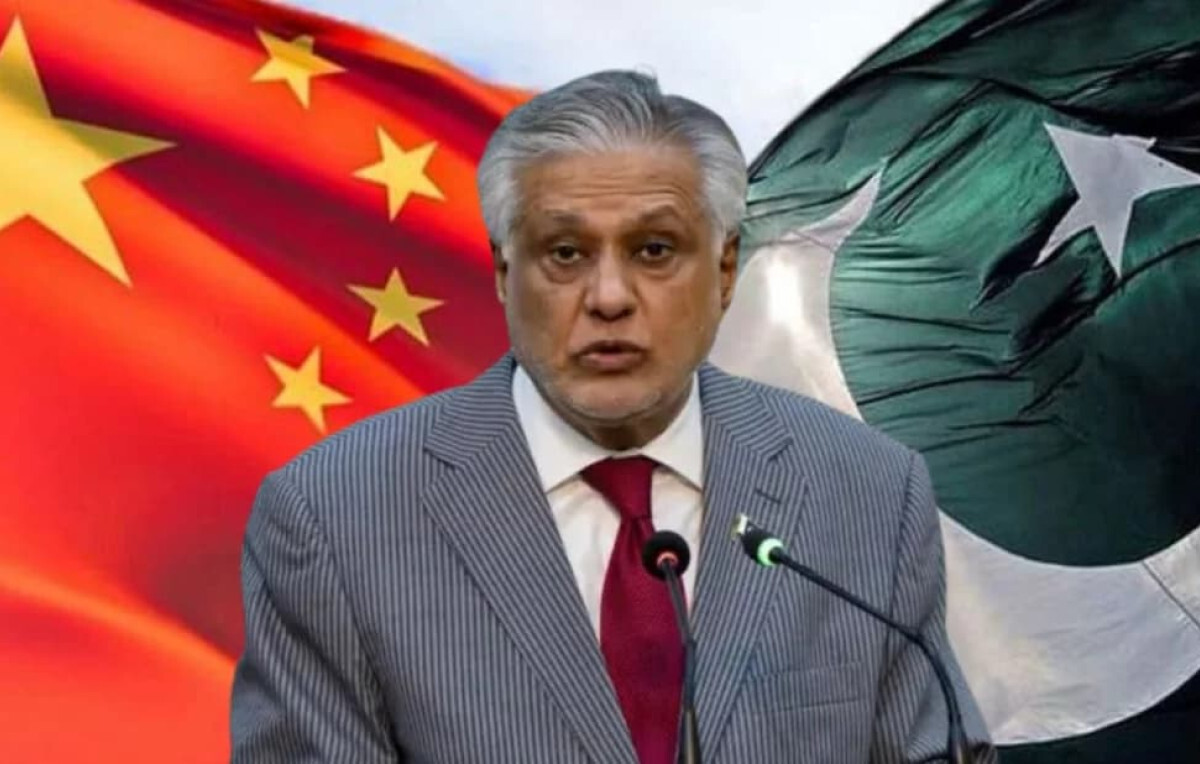
Pakistan’s Foreign Minister, Ishaq Dar, is set to travel to Beijing, China, on Tuesday, 31 March, in a significant diplomatic move aimed at facilitating direct talks between the United States and Iran. During his visit, he will meet with the Chinese Foreign Minister to discuss a broad range of bilateral and regional issues, underscoring Islamabad’s role as a proactive mediator in a tense international environment.
This diplomatic mission comes at a critical juncture, as Pakistan seeks to bring Washington and Tehran to the negotiating table amid heightened regional tensions. Over the past week, Dar has coordinated with Saudi Arabia, Turkey, and Egypt as part of a four-party diplomatic initiative designed to encourage direct dialogue between representatives of the US and Iran in Pakistan.
The initiative aims to provide a neutral platform for discussions, promote regional stability, and reduce the risk of escalation in the Middle East. Analysts suggest that Islamabad’s active involvement could enhance its diplomatic profile while contributing to broader peace efforts.
China has expressed full support for Pakistan’s initiative, signalling a willingness to back Islamabad’s mediation efforts. Following recent consultations, Dar reaffirmed that Beijing endorses Pakistan’s hosting of US-Iran discussions, highlighting China’s role as a regional stakeholder and supporter of multilateral diplomacy.
| Country | Role | Objective |
|---|---|---|
| Pakistan | Mediator | Host direct US-Iran dialogue |
| Saudi Arabia | Coordinator | Ensure regional stability |
| Turkey | Supporter | Facilitate negotiation framework |
| Egypt | Observer | Reduce Middle East tensions |
In Beijing, Dar will also engage in bilateral talks with the Chinese Foreign Minister, addressing matters of economic cooperation, regional security, and ongoing geopolitical challenges. Observers note that these discussions could pave the way for more robust trilateral engagement, linking Islamabad, Washington, and Tehran through constructive diplomacy.
This visit represents a strategic effort by Pakistan to elevate its role as a peace broker in the region. The outcome of the meetings may influence international policy decisions and potentially set the stage for sustained dialogue between the US and Iran, with Islamabad positioned at the centre of the mediation process.
By combining diplomatic engagement with China’s support and a coordinated four-party approach, Pakistan aims to advance peace and stability in the Middle East while strengthening its own international standing. The mission underscores Islamabad’s commitment to constructive diplomacy and its readiness to act as a facilitator in resolving some of the region’s most pressing tensions.




Comments