Sunday, 5th April 2026

Khabor Wala Desk
Published: 22nd February 2026, 8:17 AM
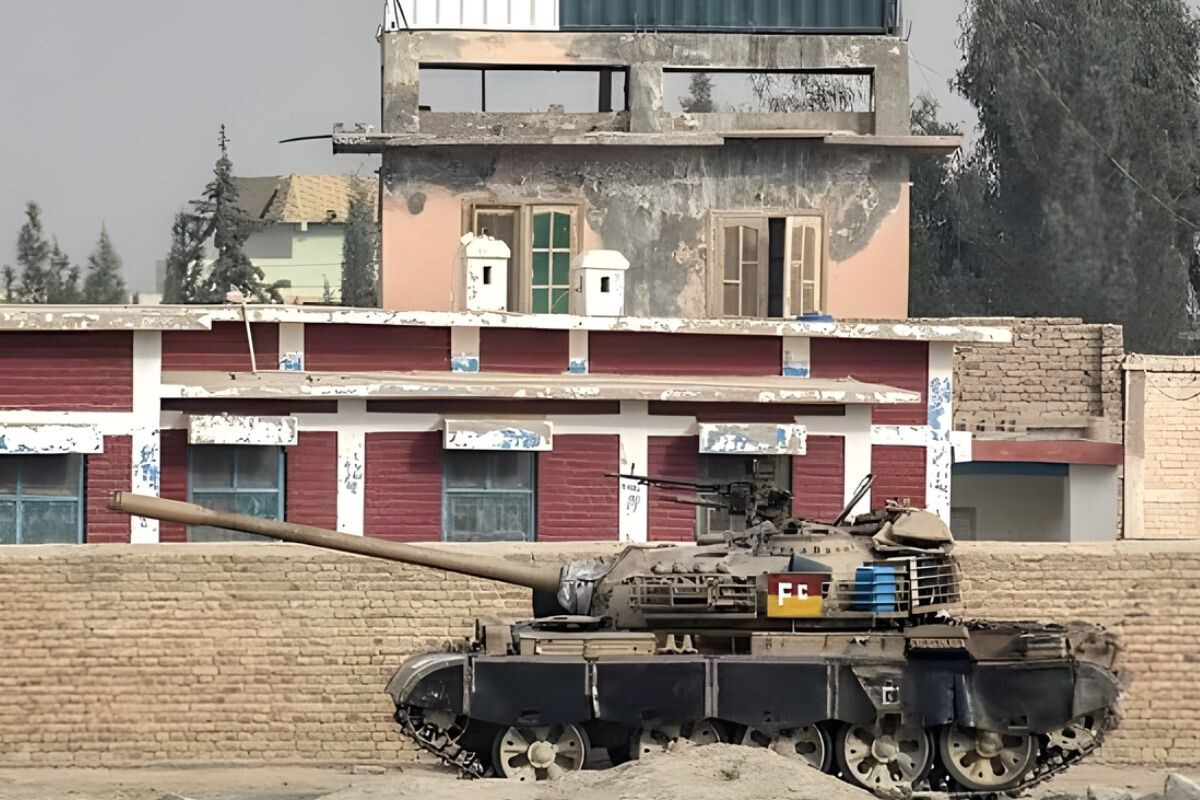
Islamabad has conducted airstrikes inside Afghanistan, targeting locations it claims are hideouts of “terrorists,” following repeated cross-border attacks blamed on Afghan-based militants. According to AFP, the raids have resulted in numerous casualties, including women and children.
The strikes represent the largest and most extensive military action since the deadly border clashes last October, which claimed over 70 lives on both sides. Analysts view the airstrikes as a stark manifestation of rising tensions between Pakistan and Taliban-controlled Afghanistan. Just days earlier, Kabul, through Saudi mediation, had released three Pakistani soldiers in an effort to ease weeks of fighting in remote border areas.
In a statement issued early Sunday, Pakistan’s Ministry of Foreign Affairs asserted that it possesses “irrefutable evidence” that the attacks were carried out by so-called “Khariji” groups—a term Islamabad uses for the Pakistani Taliban (Tehrik-i-Taliban Pakistan, TTP). The ministry claimed these militants were operating under the direction of their Afghan-based leaders.
The statement further indicated that Pakistan conducted precision strikes on seven terrorist camps and clandestine hideouts along the Afghan border, including bases used by the TTP and the Islamic State in Khorasan Province (IS-KP). Reuters was unable to obtain immediate comment from Taliban authorities in Afghanistan, who have consistently denied allowing armed groups to operate from Afghan territory against Pakistan.
Pakistan cited several recent attacks as justification, including a bomb assault on a Shiite mosque in Islamabad and violent incidents in the northwestern districts of Bajaur and Bannu. The mosque attack, one of the deadliest since 2008, killed at least 40 people and injured more than 160, with IS claiming responsibility. Pakistani forces reported that a suicide attack on a security convoy in Bannu on Saturday left two soldiers dead while five militants were killed during the ensuing firefight.
AFP reports that Afghan authorities confirmed strikes in Nangarhar and Paktika provinces, resulting in dozens of civilian casualties, including women and children. Afghan government spokesman Zabihullah Mujahid accused Pakistani generals of attempting to cover domestic security weaknesses through such attacks.
Local residents in Behsud district of Nangarhar used bulldozers to rescue people trapped under rubble. A security official told AFP that 17 civilians were killed in one airstrike on a house, 12 of whom were children or teenagers.
The 2,600-kilometre (1,600-mile) border between the countries is frequently closed due to such flare-ups, disrupting trade and travel. Although both sides agreed to a fragile ceasefire following the October clashes, Pakistan continues to allege that Afghan authorities provide sanctuary to militants carrying out attacks on Pakistani soil—a claim repeatedly denied by Kabul.
Recent Pakistan-Afghanistan Incidents
| Date | Location (Afghanistan) | Target / Incident | Casualties | Notes |
|---|---|---|---|---|
| 2026-02-21 | Behsud, Nangarhar | Airstrike on residential house | 17 killed (12 children) | Bulldozers used to rescue trapped civilians |
| 2026-02-21 | Bannu, Pakistan | Suicide attack on security convoy | 2 soldiers killed, 5 militants killed | Armed clash followed the attack |
| 2026-02-21 | Islamabad, Pakistan | Shiite mosque bombing | 40+ killed, 160+ injured | IS claimed responsibility |
| Recent | Bajaur, Pakistan | Cross-border violence | Multiple casualties | Tensions along remote northwestern districts |



Comments