Sunday, 5th April 2026

Khabor Wala Desk
Published: 18th October 2025, 7:44 AM
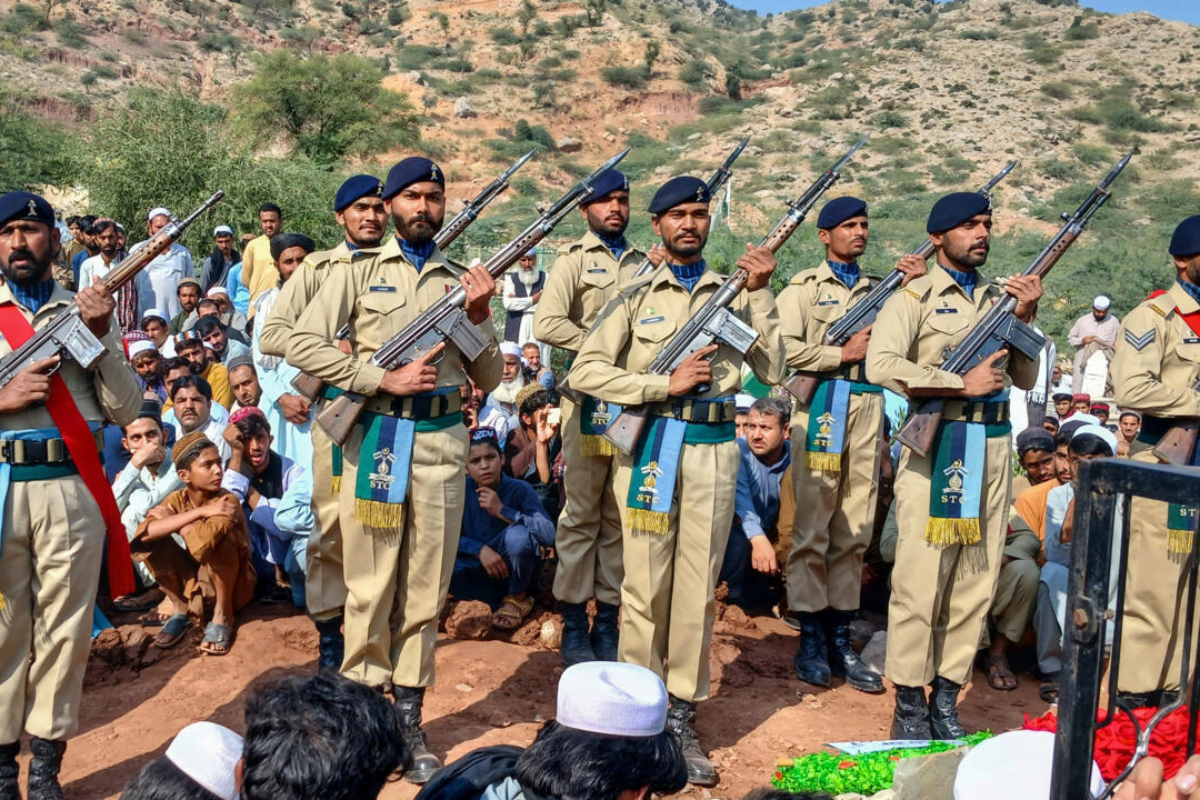
Pakistan and Afghan Taliban officials are due to meet in Doha on Saturday, a day after Islamabad carried out air strikes inside Afghanistan that killed at least ten people and broke a short-lived ceasefire which had brought two days of relative calm to the frontier.
State television in Pakistan said Defence Minister Khawaja Asif and intelligence chief General Asim Malik would lead the Pakistani delegation to Qatar. An Afghan Taliban spokesperson confirmed their side would also attend: Defence Minister Mohammed Yaqub headed a high-level Islamic Emirate team, the Taliban’s government spokesman Zabihullah Mujahid said on X.
A 48-hour truce had paused nearly a week of intense cross-border clashes that left dozens of soldiers and civilians dead on both sides. Late on Friday, Afghan officials accused Pakistan of breaking that ceasefire by bombing three locations in Paktika province. A senior Taliban official told AFP — on condition of anonymity — that Afghanistan would retaliate.
Hospital sources in Paktika reported ten civilians killed and 12 wounded, including two children. The Afghanistan Cricket Board later confirmed that three cricketers, who had been in the area for a domestic tournament, were among those killed; this revised an earlier toll that had been reported as eight. Pakistan said its forces had carried out “precision aerial strikes” aimed at the Hafiz Gul Bahadur Group, a local faction it links to the Tehreek-e-Taliban Pakistan (TTP) — the Pakistani Taliban.
Islamabad said the targeted faction had been behind a suicide bombing and gun attack at a military camp in North Waziristan that killed seven Pakistani paramilitary troops.
Key facts at a glance
| Item | Detail |
| Location of strikes | Paktika province, Afghanistan |
| Reported fatalities (Afghan side) | At least 10 civilians |
| Reported wounded | 12 civilians |
| Notable victims | 3 cricketers (Afghanistan Cricket Board confirmed) |
| Pakistan’s claimed target | Hafiz Gul Bahadur Group (linked to TTP) |
| Pakistani losses prompting strike | 7 paramilitary troops killed in North Waziristan attack |
| Diplomatic response | High-level talks in Doha between Pakistani and Taliban delegations |
Security concerns are central to the dispute. Pakistan accuses Afghanistan of harbouring TTP militants who launch attacks across the border; Kabul rejects those claims. The recent escalation followed explosions in Kabul and a Taliban offensive along the southern frontier, which prompted Islamabad to vow a forceful response.
When the ceasefire began at 13:00 GMT on Wednesday, Islamabad said it would last 48 hours; Kabul said the truce would remain in place until Pakistan violated it. With the alleged strikes, that pause has ended.
Pakistan’s Defence Minister Khawaja Muhammad Asif accused Kabul of acting as “a proxy of India” and of plotting against Pakistan. Writing on X, Asif warned:
“From now on, demarches will no longer be framed as appeals for peace, and delegations will not be sent to Kabul. Wherever the source of terrorism is, it will have to pay a heavy price.”
Taliban government spokesman Zabihullah Mujahid said Taliban forces had been ordered not to initiate attacks, but that they were authorised to defend the country if Pakistani forces struck first. In an interview with Afghan television channel Ariana he said: “If they do, then you have every right to defend your country.”
Who is going to Doha
| Pakistan delegation | Afghan (Taliban) delegation |
| Defence Minister Khawaja Asif | Defence Minister Mohammed Yaqub |
| Intelligence chief General Asim Malik | High-level Islamic Emirate officials (led by Yaqub) |
| (Additional security advisers and officials) | Spokesman Zabihullah Mujahid confirmed delegation departure |
The talks are understood to aim at de-escalation and clarification of cross-border security concerns, though both sides have set firm public positions that make a breakthrough uncertain.
The clashes and strikes risk widening instability along an already volatile frontier. Cross-border violence has escalated dramatically in recent days, and the suspension of dialogue with Kabul — signalled by Asif’s comments — suggests Islamabad may adopt a harder diplomatic posture if it believes militant sanctuaries persist.
For ordinary residents in affected border areas, the toll is immediate: families mourning the dead, players and civilians pulling away from scheduled events (the Afghanistan team withdrew from a planned Tri-Nation T20I series in Pakistan), and communities coping with damaged homes and disrupted livelihoods.
Timeline (recent events)
| Date | Event |
| Days before truce | Explosions in Kabul; Taliban offensive along southern border |
| Wednesday 13:00 GMT | 48-hour ceasefire begins |
| Friday (late) | Pakistan allegedly bombs three sites in Paktika; casualties reported |
| Saturday | Pakistani delegation (Asif, Malik) to meet Afghan Taliban in Doha |
The coming Doha talks will be closely watched for any sign of meaningful de-escalation. But with mutual accusations of proxy activity, militants operating across porous borders, and national leaders publicly hardening their rhetoric, diplomats face a difficult task in turning a fragile lull into lasting calm


Comments