Sunday, 5th April 2026

Khabor Wala Desk
Published: 11th February 2026, 12:59 AM
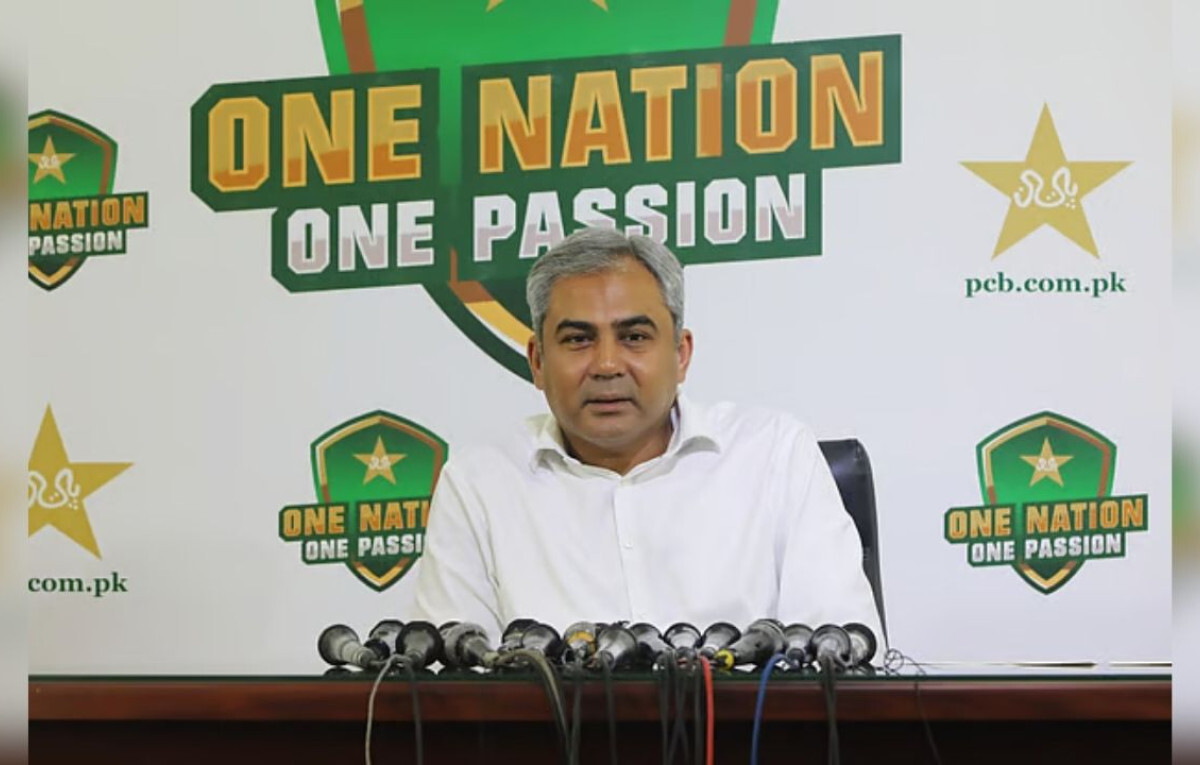
The cloud of uncertainty looming over the highly anticipated India-Pakistan clash in the upcoming T20 World Cup has finally dissipated. Following high-level negotiations, the Pakistan government has officially sanctioned the national team’s participation, confirming they will take the field against their arch-rivals on the 15th.
This diplomatic breakthrough followed a pivotal meeting in Lahore involving the Pakistan Cricket Board (PCB), representatives from the International Cricket Council (ICC), and notably, the President of the Bangladesh Cricket Board (BCB), Aminul Islam. Speaking to the press in Peshawar today, PCB Chairman Mohsin Naqvi clarified that Pakistan’s stance was rooted in solidarity with their regional neighbours rather than self-interest.
The controversy began when Bangladesh expressed grave security concerns regarding the World Cup hosted in India. The friction intensified after Bangladeshi star bowler Mustafizur Rahman was dropped from the Kolkata Knight Riders (KKR) following threats from communal extremists. In response, the BCB requested that their fixtures be moved to Sri Lanka. When the ICC rejected this and replaced Bangladesh with Scotland in the tournament line-up, Naqvi was a vocal critic, accusing the governing body of “double standards.”
“We maintained no conditions in our discussions other than those concerning Bangladesh,” Naqvi asserted today. “Our sole objective was to reclaim respect for Bangladesh and seek redress for the injustice they faced.”
Naqvi highlighted that the PCB only agreed to proceed with the tournament once the ICC acknowledged the mishandling of the Bangladesh situation. He noted that the global governing body has now conceded to the primary demands raised by the BCB.
“As you have seen, everything Bangladesh requested has been accepted, and that was the crux of the matter,” Naqvi stated. “Once the ICC admitted that an injustice had occurred, only then did we decide to resume our participation.”
| Entity | Original Status | Current Status | Key Grievance |
|---|---|---|---|
| Bangladesh | Qualified Member | Reinstated/Acknowledged | Security threats and player exclusion in IPL |
| Pakistan | Confirmed Participant | Playing (After Boycott Threat) | Alleged ICC “Double Standards” |
| Scotland | Proposed Replacement | Replaced by Bangladesh | Provisional inclusion pending BCB resolution |
| ICC | Stated Neutrality | Admitted Procedural Error | Initial refusal to relocate matches |
The resolution ensures that one of the most commercially lucrative fixtures in world sport will proceed as planned. However, the episode has left a lasting mark on the governance of international cricket. Analysts suggest that the rare display of unity between the PCB and BCB may signal a shift in the power dynamics of the sport’s administration.
With the ICC now admitting to “procedural unfairness” regarding the initial exclusion of Bangladesh, the focus shifts back to the pitch. For Pakistan, the decision to play is framed not merely as a sporting commitment, but as a moral victory for regional cooperation. All eyes now turn to the 15th, where the rivalry resumes under a fragile but functional diplomatic truce.

Comments