Sunday, 5th April 2026

Khabor Wala Desk
Published: 3rd January 2026, 11:07 PM
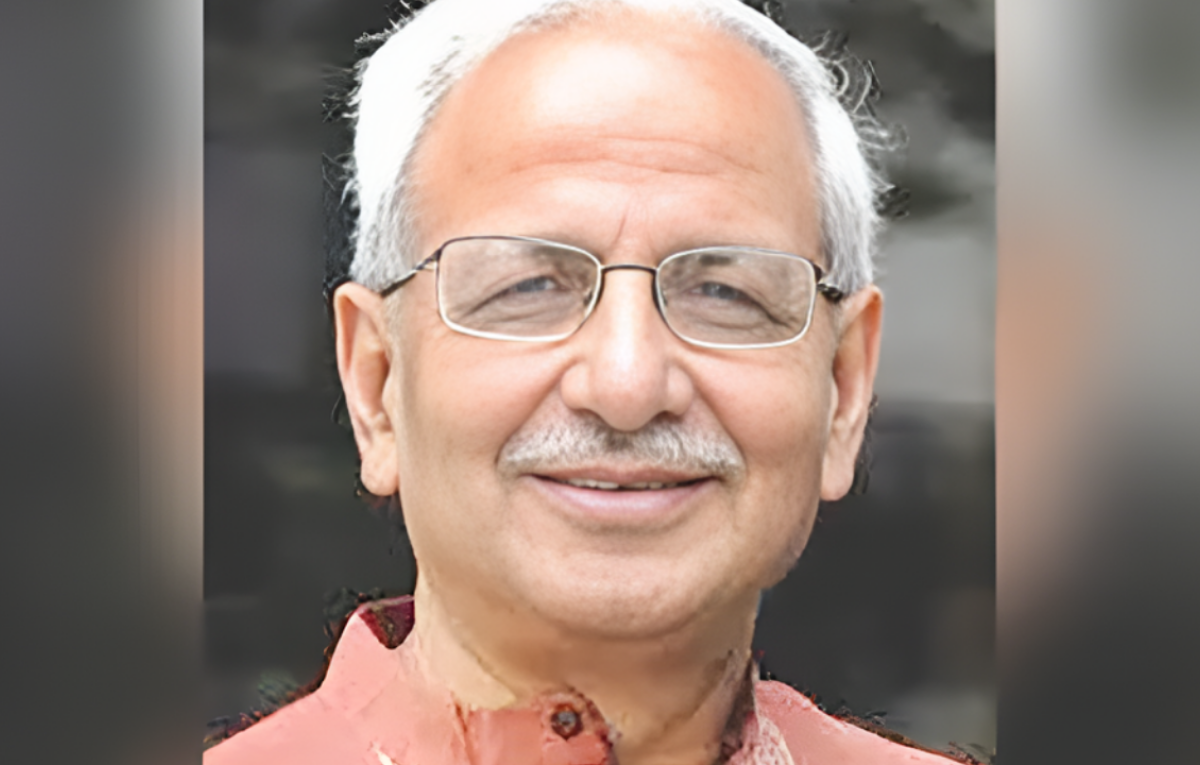
In a forceful appeal for democratic transparency, Badiul Alam Majumdar, Secretary of the civil rights organisation Shushashoner Janno Nagarik (SHUJAN), has demanded that political parties explicitly declare their positions on national referendums within their election manifestos. Speaking at a press conference on Saturday, 3 January 2026, at the Jatiya Press Club, Dr Majumdar argued that while parties have broadly pledged to uphold the “July National Charter,” their manifestos must serve as legally binding contracts with the electorate, detailing their specific “yes” or “no” stances on critical reforms.
The conference, titled “What Kind of Election Manifesto Do We Want in the Aspiration of the Mass Uprising?”, addressed the shift in political expectations following the revolutionary events of July 2024. Dr Majumdar stressed that a fair election is merely a starting point; the true goal is the institutionalisation of democracy. He cautioned that if political parties do not practice internal democracy and adhere strictly to the law, the nation’s democratic transition will remain fragile and prone to reversal.
| Priority Sector | Specific Recommendation for Political Manifestos |
|---|---|
| National Reform | Commitment to the July National Charter and Reform Commission. |
| Governance | Strict accountability for law enforcement and state machinery. |
| Constitutional | Restoration of the balance of power between state branches. |
| Anti-Corruption | Effective, institutional combat against the “commercialisation” of politics. |
| Social Policy | Establishment of a merit-based society and poverty eradication. |
| Local Government | Strengthening of regional governance and decentralisation. |
Dr Majumdar highlighted the historic tendency for politicians to treat power as a “magic wand” for personal enrichment, noting the alarming rise in the wealth of candidates during previous terms. He called for a definitive end to the “politicisation of business and the commercialisation of politics,” urging parties to explain exactly how they will dismantle these corrupt networks. He further suggested that manifestos should be treated as written contracts, potentially allowing citizens to seek legal recourse if a party blatantly fails to honour its electoral promises once in office.
Reflecting on past failures, he cited the 2008 “Charter for Change” (Din Bodler Sonod) by the then-ruling party. He observed that the party’s subsequent disregard for its written commitments ultimately led to a severe political price. To prevent such cycles, Professor AKM Waresul Karim, Dean of North South University, presented 15 specific points on behalf of SHUJAN that should be integrated into every party’s platform. These include ensuring transparency in political funding, addressing climate change, and protecting the rights of women and the impoverished.
The session, presided over by SHUJAN Treasurer Syed Abu Naser Bukhtiar Ahmed, concluded with a reminder that manifestos are more than campaign leaflets; they are the foundation upon which the future of the republic must be built. Without clear, unambiguous commitments—particularly regarding constitutional referendums—voters remain at risk of being misled by vague rhetoric.


Comments