Sunday, 5th April 2026

Khabor Wala Desk
Published: 24th July 2025, 3:27 PM
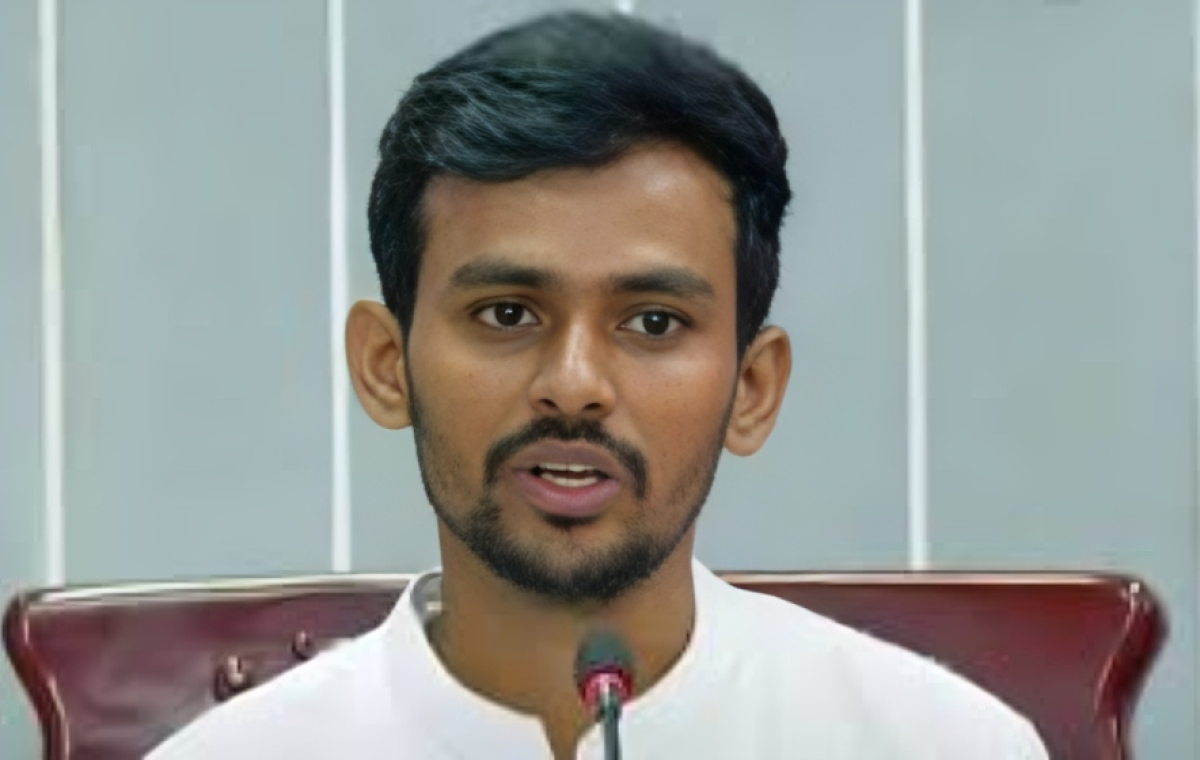
Asif Mahmud Sajib Bhuiyan, Adviser to the Interim Government’s Ministry of Local Government, Rural Development and Cooperatives, and the Ministry of Youth and Sports, has announced that party symbols will no longer be used in local government elections.
The announcement came through a post on his verified Facebook page on Thursday morning (24 July), where he stated:
“Party symbols will be excluded from local government elections. Today, the Advisory Council approved amendments to four laws presented by the Local Government Division.”
With the approval of these amendments, political parties will no longer be able to nominate candidates officially for local elections. All candidates will now run as independents, meaning they will be recognised as non-partisan participants.
This decision marks a significant departure from the system introduced in 2015 under the Awami League government, which had implemented the use of party symbols in local elections.
For several years, election experts and political figures had been advocating for the removal of party symbols in local elections. Both the Electoral Reform Commission and the Local Government Reform Commission have previously recommended excluding party affiliations to encourage more inclusive and unbiased participation.
| Reform Highlights | Details |
| Law Changes Approved | 4 laws amended by the Local Government Division |
| Effect | End of official party nominations in local elections |
| Candidate Status | All candidates to be considered independent |
| Main Objective | Foster wider participation and reduce partisan influence |
According to observers, removing party affiliations is likely to encourage more qualified and skilled individuals, who are not directly linked with any political party, to run for office.
Currently, the local government structure in Bangladesh is divided into five tiers:
| Tier | Number of Units |
| Union Parishads | 4,581 |
| Upazila Parishads | 495 |
| Zila Parishads (District Councils) | 64 (including 3 Hill Districts) |
| Municipalities (Pourashavas) | 330 |
| City Corporations | 12 |
This reform is expected to have a profound impact on the political landscape at the grassroots level, aiming to promote inclusive, transparent and less polarised local governance.
Comments