Sunday, 5th April 2026

Khabor Wala Desk
Published: 17th February 2026, 9:52 AM
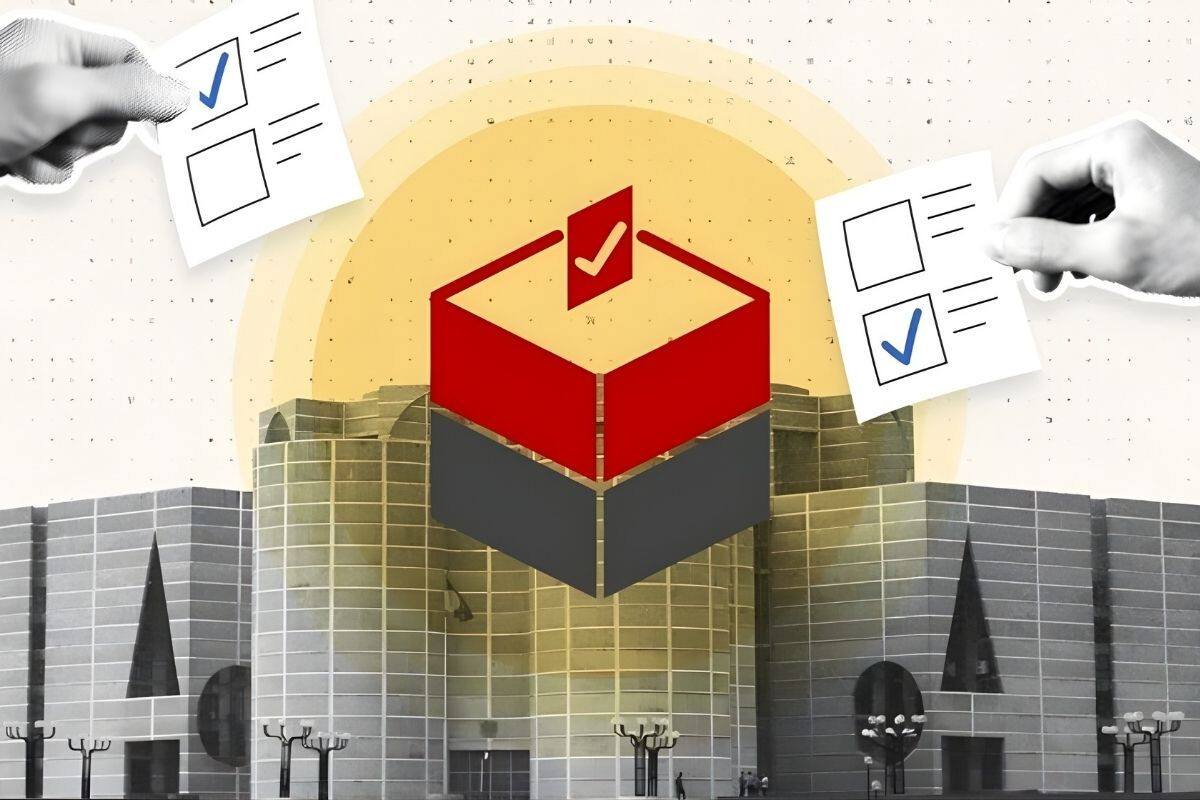
The newly elected members of the Thirteenth National Parliament of Bangladesh have officially taken their oaths. On Tuesday, 17 February, the Chief Election Commissioner, A.M.M. Nasir Uddin, administered the oaths, BBC Bangla reports.
The ceremony began shortly before 11 a.m. with members from the Bangladesh Nationalist Party (BNP) taking their oaths, followed by those from the 11-party coalition led by Jamaat-e-Islami, other political parties, and independent MPs. Typically, oaths are administered within three days of the official election results or publication in the government gazette.
Under Article 148 of the Constitution, it is the responsibility of the Speaker and Deputy Speaker of Parliament to swear in new members. However, in the current context—following the Chawkbazar student-led public uprising—the Parliament remains non-functional, with both the Speaker absent and the Deputy Speaker incarcerated. As a result, the Chief Election Commissioner conducted the ceremony this time.
In Bangladesh, Members of Parliament (MPs) enjoy a range of financial and material benefits alongside their official powers. According to national law, the standard allowances include salaries, area-specific stipends, and other privileges:
| Allowance / Facility | Amount (BDT) | Notes |
|---|---|---|
| Monthly salary | 55,000 | Base parliamentary pay |
| Constituency allowance | 12,500 | Per month |
| Honorarium | 5,000 | Per month |
| Vehicle import | Duty-free | MPs can import cars without customs charges |
| Transport allowance | 70,000 | Monthly |
| Constituency office expenses | 15,000 | Monthly |
| Laundry allowance | 1,500 | Monthly |
| Crockery and toiletries | 6,000 | Monthly |
| Domestic travel | 120,000 | Annual |
| Discretionary fund | 500,000 | Annual, for development projects |
| Telephone allowance | 7,800 | Monthly |
| MP hostel | Provided | In parliamentary area |
Between 2015 and 2019, MPs were also allocated BDT 40 million annually for development projects, up from BDT 20 million. Dr Iftikharuzzaman told BBC Bangla that MPs have discretion over which projects receive funding. Historically, plots, flats, and other allocations have often favoured MPs’ constituencies.
Beyond legal entitlements, MPs wield substantial local influence. Dr Iftikharuzzaman explains that, constitutionally, their role is legislative; in practice, it often extends into administrative and executive spheres. MPs frequently oversee the distribution of social security schemes—including food, elderly allowances, and nearly 40 other local initiatives—based on their approval.
Their involvement also spans education, healthcare, and local employment, giving them substantial authority in appointments and institutional management. Media reports have previously highlighted allegations of MPs leveraging this influence over local administration and police.
In essence, a Member of Parliament in Bangladesh is not only a legislator but also a powerful local figure with wide-ranging administrative and developmental influence.


Comments