Sunday, 5th April 2026

Khabor Wala Desk
Published: 15th October 2025, 9:10 AM
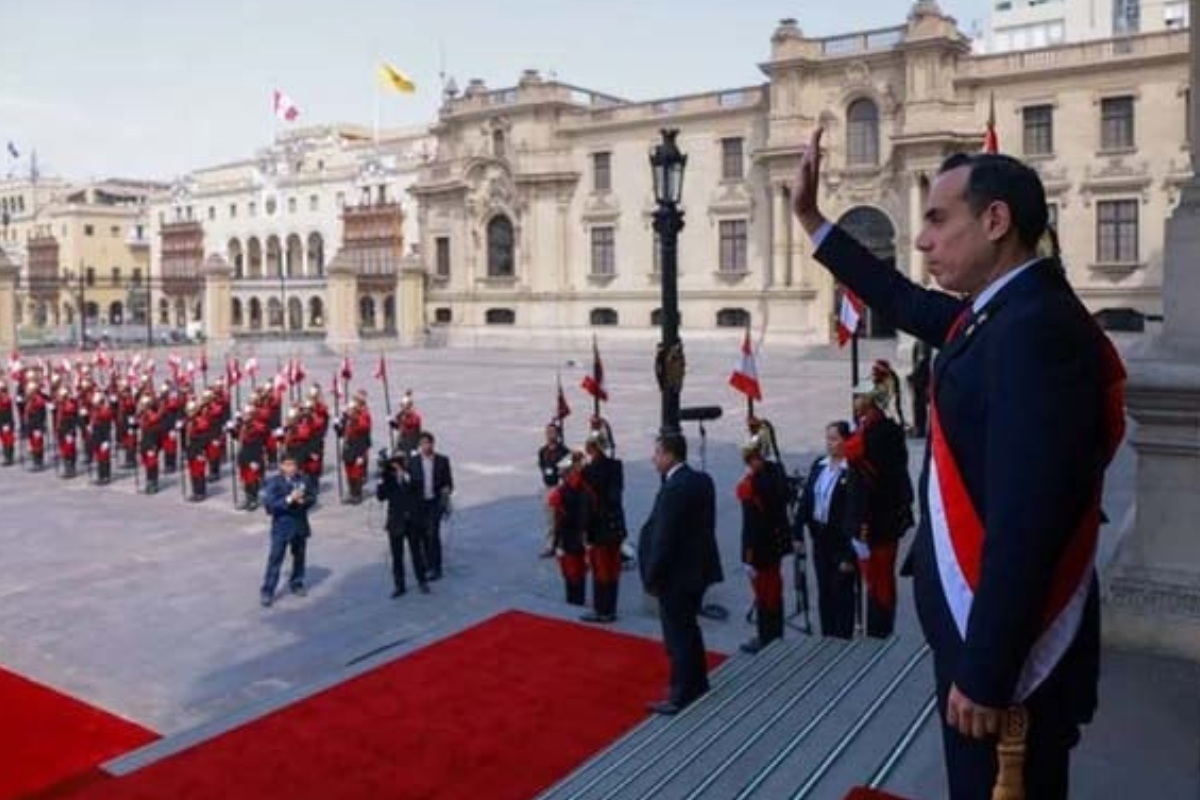
Peru’s newly appointed president, José Jeri, has named a retired hardline police general as the country’s new Interior Minister to spearhead his declared “war against crime” amid a sharp rise in gang-related violence.
| Position | Appointee | Age | Background / Expertise |
| President | José Jeri | 38 | Former head of Congress; sworn in last week following the impeachment of Dina Boluarte |
| Interior Minister | Vicente Tiburcio | 61 | Retired police general; led operations against the Shining Path insurgency |
| Prime Minister (Cabinet Chief) | Ernesto Álvarez | 64 | Lawyer; former president of the Constitutional Court |
| Cabinet Composition | 19 members | – | Includes four women |
President Jeri took office last week after Congress voted to impeach Dina Boluarte, whose administration was widely criticised for corruption scandals and poor governance.
Upon taking the oath of office, Jeri promised a zero-tolerance approach to organised crime, pledging sweeping reforms to address a growing wave of extortion, drug trafficking, and contract killings that have destabilised the nation.
On Tuesday, Jeri reiterated his tough stance, issuing a stark warning to criminal networks:
“If gang leaders continue controlling our streets from prisons, we will act with greater determination. We will change everything that needs to be changed. You’ve been warned.”
The newly appointed Interior Minister, Vicente Tiburcio, is known for his uncompromising approach to law enforcement. A former national police general, Tiburcio gained recognition for leading Peru’s campaign against the Shining Path guerrilla movement — one of the most violent insurgencies in the country’s history.
In a statement, the Peruvian government said Tiburcio was selected for his experience in combating organised crime, drug trafficking, and terrorism. His appointment signals a clear intent to militarise aspects of domestic security and restore public confidence in state authority.
Peru remains mired in political instability, having witnessed seven presidents in the past nine years, with three removed by Congress. The constant turnover of leadership has hindered efforts to implement long-term governance and anti-crime reforms.
Former President Dina Boluarte, ousted last week, faces multiple corruption and abuse of power investigations.
Under the current transition, presidential elections are scheduled for next year, coinciding with the end of Boluarte’s original term.
Jeri’s administration inherits a country grappling with deep institutional mistrust and widespread gang infiltration in local economies. The president’s reliance on military-style leadership and hardline figures like Tiburcio reflects his belief that only “decisive force” can restore order.
However, critics warn that such an approach risks further militarising public security and undermining human rights protections.
Still, for many Peruvians weary of lawlessness, Jeri’s promise to “change everything that needs to be changed” may resonate as a bold and necessary shift in direction.


Comments