Sunday, 5th April 2026

Khabor Wala Desk
Published: 2nd April 2026, 6:40 PM
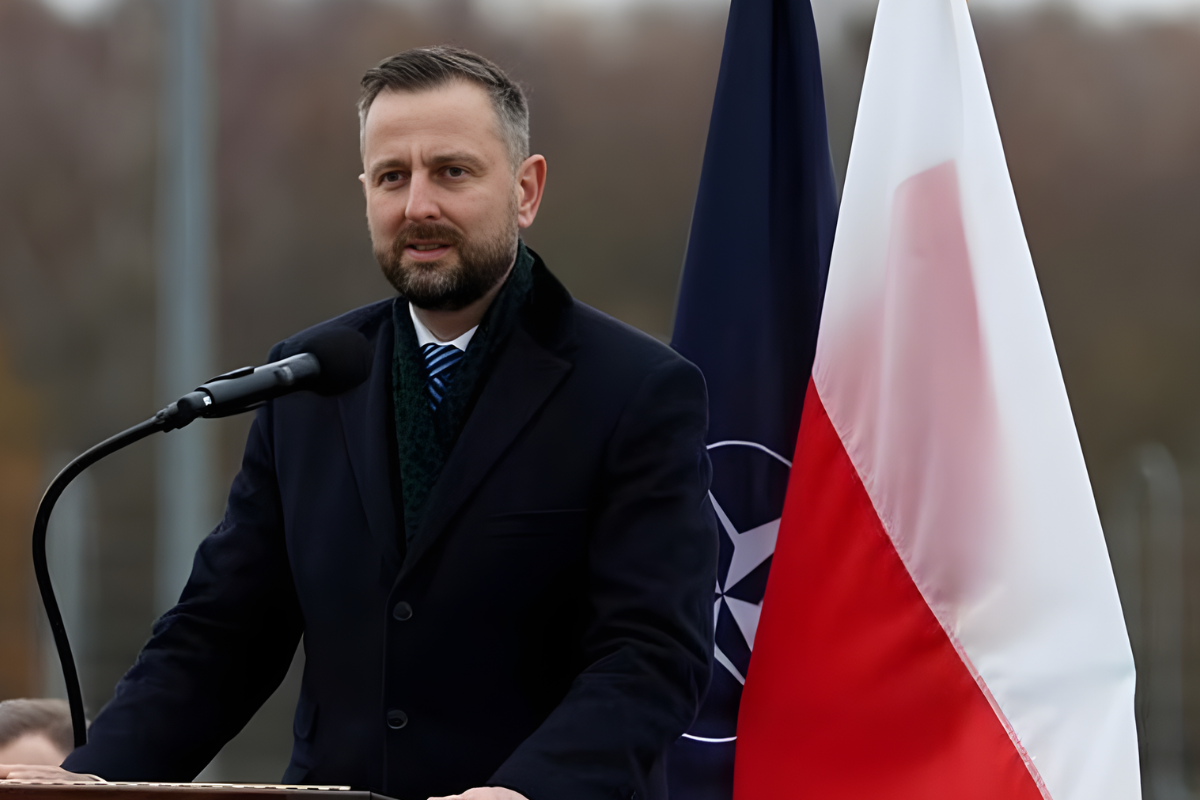
Amid rising tensions in the Middle East involving Iran, Poland has delivered a significant diplomatic message to the United States by refusing a request to deploy its Patriot air defence systems for use in the region. The decision comes at a time when Washington is seeking additional allied support to reinforce military protection for its overseas bases.
Poland’s Defence Minister, Władysław Kosiniak-Kamysz, confirmed that the country’s Patriot missile defence systems remain fully committed to safeguarding Polish airspace and NATO’s eastern flank. He emphasised that there are no plans to transfer these critical defence assets abroad, despite requests from the United States.
According to reports, Washington had asked Warsaw to provide at least two Patriot air defence batteries along with advanced missile systems to strengthen protection in the Middle East amid fears of potential Iranian retaliation. The systems were intended to bolster defences against possible attacks on US facilities in the region.
The refusal highlights growing strains within the NATO alliance over the distribution of military resources at a time of heightened global security concerns. Poland’s stance underscores its priority of maintaining robust territorial defence capabilities in Europe, particularly given ongoing tensions along NATO’s eastern border.
| Category | Details |
|---|---|
| Requesting country | United States |
| Responding country | Poland |
| Requested equipment | Patriot air defence systems (at least two batteries) |
| Intended deployment | Middle East US bases |
| Poland’s position | Request declined |
| Reason cited | Protection of national airspace and NATO eastern flank |
| Defence minister | Władysław Kosiniak-Kamysz |
The request came amid heightened military activity involving Iran, as both the United States and Israel have reportedly conducted operations targeting Iranian-linked positions. However, the situation remains volatile, with reports suggesting that retaliatory strikes have caused damage to certain US military installations and equipment in the region.
Former US President Donald Trump has also weighed in on the broader geopolitical tensions, criticising European allies for what he described as insufficient defence burden-sharing. In remarks that stirred controversy, he referred to NATO as a “paper tiger” and even suggested the possibility of the United States reconsidering its commitment to the alliance.
The growing divide over military contributions has further complicated transatlantic relations, particularly as European nations reassess their own security priorities in light of escalating global instability. While some NATO members have expressed willingness to support US operations in the Middle East, others are increasingly cautious about stretching their own defensive capabilities.
Separately, divisions within Europe over the Iran-related crisis have also become apparent. Spain has reportedly declined to allow the United States access to its airspace and military bases for related operations, reflecting a broader hesitation among certain European governments to become directly involved in potential regional escalation.
Poland’s refusal is therefore seen as part of a wider pattern of strategic recalibration among NATO allies, balancing commitments to collective security with national defence imperatives. As tensions continue to mount in the Middle East, the disagreement over the deployment of advanced missile defence systems underscores the complex interplay between alliance solidarity and individual national priorities.
With diplomatic and military pressures intensifying, the situation highlights the growing challenges facing NATO in maintaining cohesion while responding to multiple, overlapping global security crises.



Comments