Sunday, 5th April 2026

Khabor Wala Desk
Published: 28th January 2026, 9:57 AM
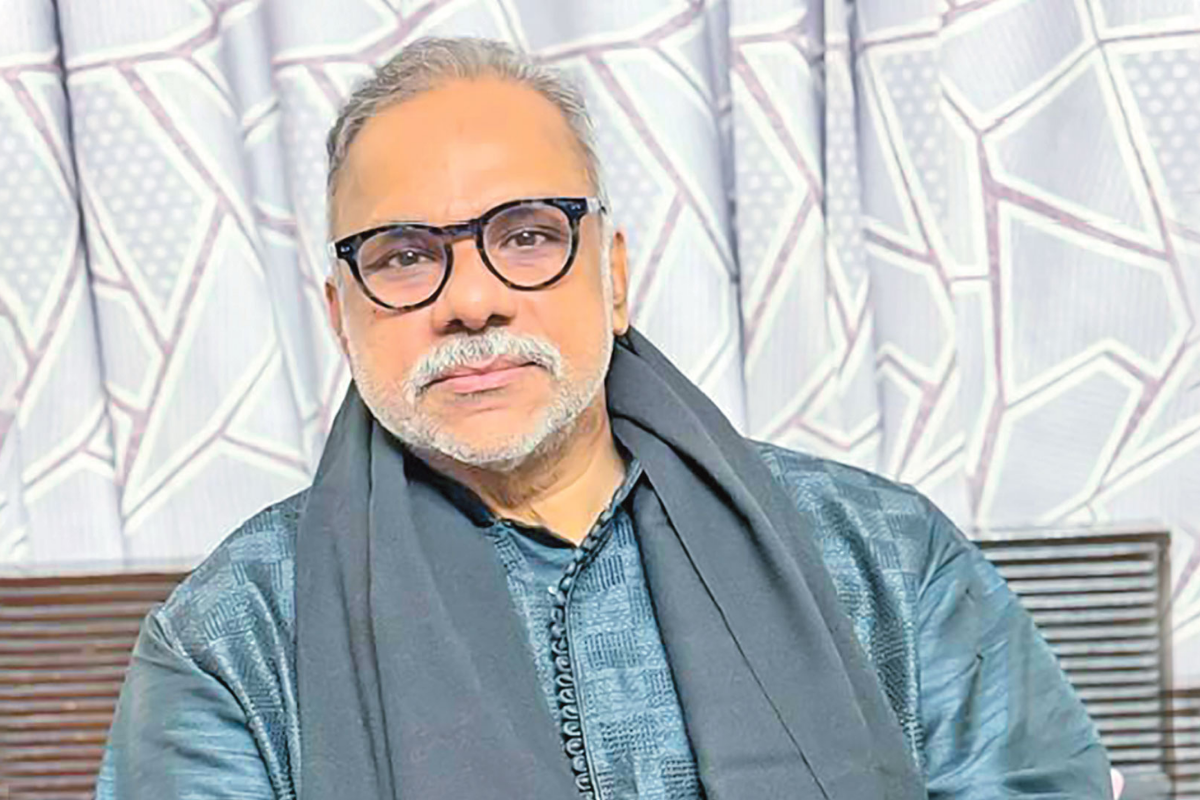
Renowned film actor Misha Sawdagar has recently voiced concerns about the corrosive effects of political influence on culture. Speaking at the inauguration of a lifestyle brand in Uttara, Dhaka, Misha stated, “When politics seeps into culture, it is culture that ultimately suffers.” He emphasised that culture and sports should not be measured through a political lens.
During the promotional event, discussions turned to cricket, prompting Misha to comment on the Bangladesh national cricket team. He particularly welcomed the return of all-rounder Shakib Al Hasan to the national squad. “Shakib should have been reinstated earlier. Political factors kept him abroad, but cricket must remain separate from politics,” he asserted.
Misha highlighted the distinction between skill-based pursuits and political considerations. “Cricket is a merit-based game, and culture thrives on creativity. Only those with talent and dedication deserve national recognition. Merging politics with either sport or culture is detrimental,” he added.
His remarks have sparked varied public reactions. While many have expressed support, acknowledging the risks of political interference, others argue that political engagement can occasionally bring positive attention or resources to cultural and sporting activities.
The table below summarises Misha Sawdagar’s key points and related context:
| Topic | Misha Sawdagar’s Statement | Context / Supporting Information |
|---|---|---|
| Politics and Culture | “It is not appropriate to align culture with politics” | Political influence can harm cultural expression |
| Cricket and Politics | “Cricket should not be mixed with politics” | Sport is merit-based; political interference is unwelcome |
| Shakib Al Hasan’s Return | “He should have been reinstated earlier” | Acknowledgement of Bangladesh Cricket Board’s decisions |
| Public Opinion | Mixed reactions exist | Social media and public commentary show both support and dissent |
Experts suggest that maintaining independence in both culture and sports is vital for long-term national development. When political considerations override merit and creativity, both fields risk stagnation or distortion. Misha’s statements underscore this tension, reminding policymakers, cultural leaders, and sporting authorities of the delicate balance required to preserve Bangladesh’s artistic and athletic integrity.
By separating politics from cultural and sporting realms, Bangladesh can ensure that talent and creativity are rewarded on their own merits, safeguarding the nation’s cultural and athletic future.

Comments