Sunday, 5th April 2026

Khabor Wala Desk
Published: 22nd January 2026, 12:40 AM
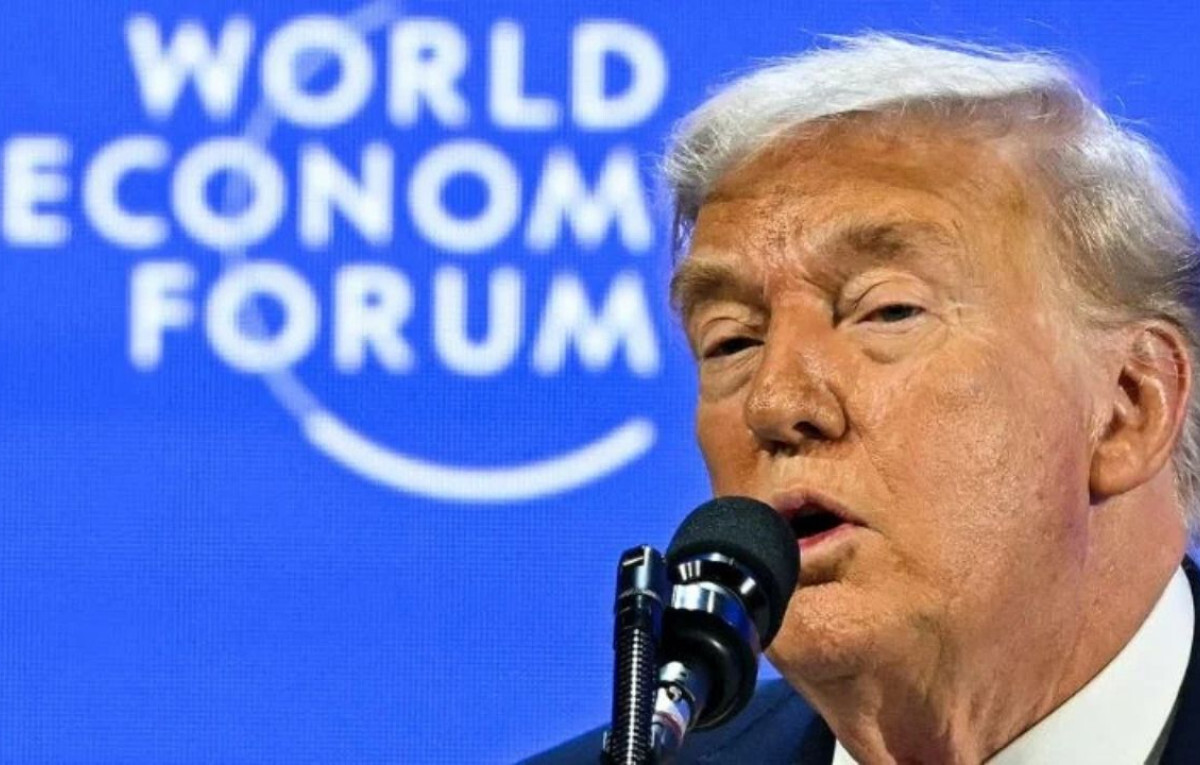
The historical record of the United States is replete with instances of regime change, controversial interventions, and clandestine operations. However, for decades, no American president had dared to threaten the annexation of an ally’s territory or the systematic dismantling of established global alliances. That restraint has vanished. In the first year of his second term, Donald Trump has effectively rattled the foundational pillars upon which the post-1945 international order was built, creating a geopolitical tremor felt across every continent.
Trump is increasingly described by political analysts as the most “transformational” president in American history. While his domestic base and a handful of international populist leaders laud his disruptive approach, the broader global community remains in a state of acute apprehension. Meanwhile, traditional rivals such as Russia and China have adopted the role of cautious observers, watching as the traditional Western alliance structure frays from within.
During the World Economic Forum in Davos, French President Emmanuel Macron articulated the fragility of the current era. He described a “lawless world” where international norms are being trampled and “muscle power” has become the only effective currency. Though Macron avoided naming Trump directly, the subtext was unmistakable: the re-emergence of imperialist ambitions is a direct consequence of Washington’s new “might is right” doctrine.
| Target Nation / Region | Current Tariff Burden | Proposed / Pending Actions | Primary Trigger |
|---|---|---|---|
| India | 50% on key exports | 500% Tariff Hike | Purchase of Russian Oil |
| France | Standard EU rates | 200% on Wine & Champagne | Opposition to Greenland Acquisition |
| China | Variable Sectoral | Subject to “Sanctioning Russia Act” | Energy trade with Moscow |
| Canada | Integrated Market | Potential border adjustments | Pivot towards Chinese trade |
The 76-year-old NATO alliance is currently facing its gravest existential crisis. Trump’s threats regarding the forceful acquisition of Greenland have alienated Nordic allies and strained relations with the European Union. To punish dissent, the Trump administration has threatened a 200% tariff on French luxuries, such as wine and champagne.
India remains the hardest hit in South Asia, currently staggering under a 50% tariff burden. This is set to worsen as the “Sanctioning Russia Act” moves toward implementation. If passed, it would grant the President the authority to impose 500% tariffs on any nation continuing to trade within Russia’s energy sector—a move specifically designed to cripple the economic autonomy of middle powers.
In the Middle East, what was initially framed as a “peace plan” has largely unravelled. While Trump brokered a temporary ceasefire between Israel and Hamas, hostilities resumed in Gaza as soon as prisoner exchanges were concluded, revealing the fragile and transactional nature of the deal. Tensions have further escalated regarding Iran, where the President has openly mooted military intervention following domestic protests in the Islamic Republic.
In Latin America, the rhetoric has shifted towards direct control. Following the “Maduro incident” earlier this month, Trump expressed an interest in managing Venezuela’s vast oil reserves and issued military threats against leaders in Colombia, Cuba, and Mexico.
Traditional allies are now seeking alternatives. Canadian Prime Minister Marc Carney recently made a landmark visit to Beijing to sign trade agreements, a clear pivot away from an unpredictable Washington. Carney’s message at Davos was blunt: the old world order, based on historical alliances and geographic proximity, is broken and will not return. He called for “middle powers”—nations like Canada, Australia, South Korea, and Brazil—to form new, values-based coalitions to protect their economic interests.
As President Xi Jinping noted during the Shanghai Cooperation Organisation summit, global governance has reached a “new crossroads.” With the US moving towards an era of transactional dominance, the rest of the world is beginning to construct a multi-polar reality that functions independently of the White House.


Comments