Sunday, 5th April 2026

Khabor Wala Desk
Published: 24th July 2025, 2:55 PM
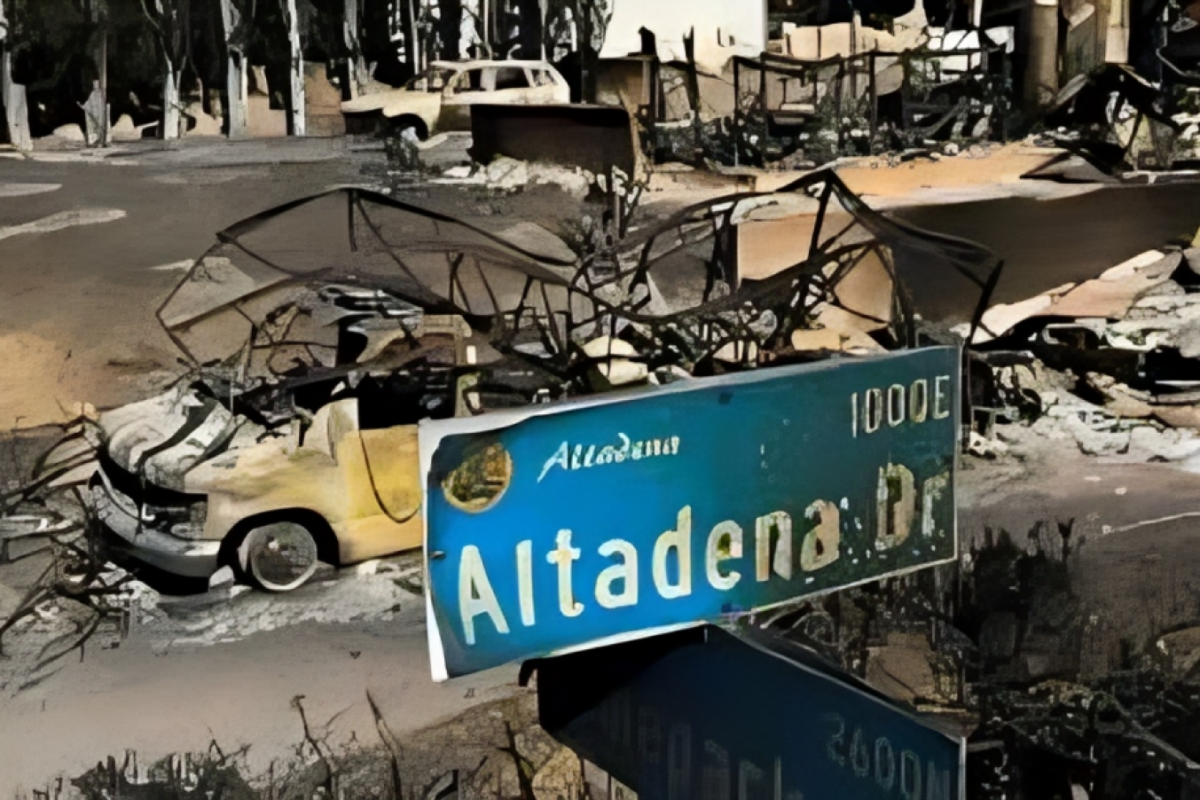
Southern California Edison (SCE), the energy utility suspected of igniting one of the catastrophic wildfires that devastated Los Angeles earlier this year, has announced it will compensate victims — even before any formal finding of liability has been made.
The company, facing multiple lawsuits linked to the January blazes, stated on Wednesday that it would create a dedicated compensation fund to provide financial support to those affected, including individuals who lost homes or suffered health-related impacts.
Though no details have been released regarding the size of the fund or a specific timeline, the move could help SCE avoid protracted legal battles and provide faster relief to affected communities.
| Date | Event | Impact |
| January 2025 | Two massive wildfires ravaged LA | 31 deaths, 16,000+ homes and buildings destroyed |
| Affected Areas | Pacific Palisades, Malibu, Altadena | Residential and commercial destruction |
The wildfires tore through both wealthy coastal neighbourhoods and mountainous working-class communities, including Altadena, where a Southern California Edison powerline is suspected of sparking the Eaton Fire.
For months, investigations have been focused on SCE’s infrastructure as a possible ignition point for the Altadena blaze. Multiple video recordings and eyewitness testimonies suggest that sparks from a powerline may have triggered the fast-moving fire.
However, investigations remain inconclusive. Despite this, the company’s parent organisation, Edison International, has moved to act pre-emptively.
“Victims shouldn’t have to wait for the final conclusions in the Eaton Fire investigation to get the financial support they need to begin rebuilding,”
said Pedro Pizarro, CEO of Edison International.
“Even though the details of how the Eaton Fire started are still being evaluated, SCE will offer an expedited process to pay and resolve claims fairly and promptly. This allows the community to focus more on recovery instead of lengthy, expensive litigation.”
According to SCE’s statement, the fund will be accessible to:
| Eligible Recipients | Coverage |
| Homeowners and Tenants | Damaged or destroyed properties |
| Business Owners | Property damage and business interruption |
| Individuals | Personal injuries |
| Bereaved Families | Compensation for relatives of those who died in the fire |
California’s worsening wildfire crisis is closely tied to climate change, which has increased the frequency and intensity of extreme weather events due to prolonged fossil fuel usage and global warming.
Yet, SCE’s infrastructure has been repeatedly associated with major wildfires in the past:
| Fire | Year | Outcome |
| Woolsey Fire | 2018 | 3 deaths; widespread destruction across Malibu’s mountainous terrain |
| Bobcat Fire | 2020 | 116,000 acres burned; SCE paid $82.5 million in 2023 to settle lawsuits |
These precedents reinforce concerns around the safety of ageing power infrastructure in fire-prone areas.
The establishment of the fund marks a notable shift in corporate crisis response — focusing less on litigation and more on immediate community recovery. If implemented fairly and efficiently, it could offer a template for future corporate responsibility, especially in an era where extreme weather is no longer an exception but the norm.




Comments