Sunday, 5th April 2026

Khabor Wala Desk
Published: 28th December 2025, 8:44 AM
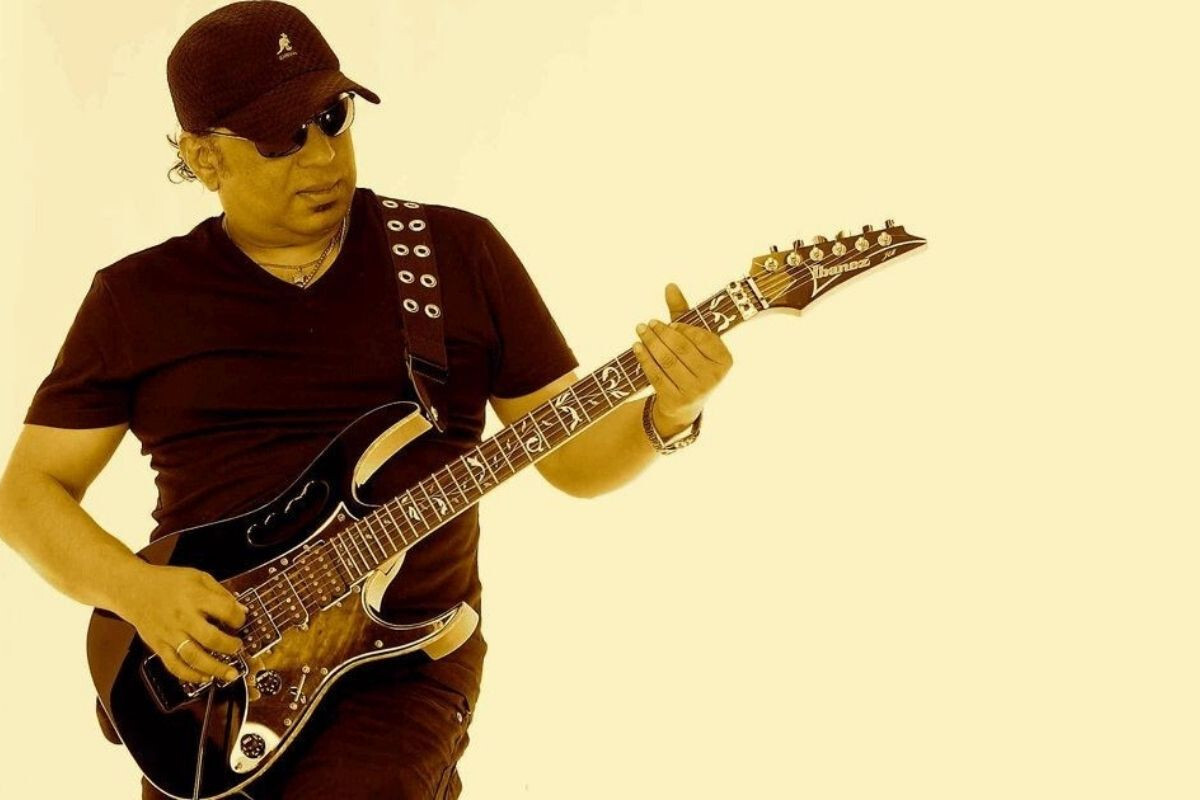
In the year 2000, Bangladesh witnessed an unusual phenomenon: three Eids within a single year. The second Eid-ul-Fitr fell on 28 December, coinciding with the peak of the country’s band music revolution. Streets and shops overflowed with crowds eager to purchase the latest albums, but one release, in particular, captured the nation’s imagination—Ayub Bachchu’s solo album Prem Tumi Ki?
While Bachchu’s earlier solo works—Shomoy (1997) and Eka (1999)—were critically appreciated, they had not achieved widespread commercial success. With Prem Tumi Ki?, Bachchu took a bold and creative step: he wrote every song himself, while also composing and arranging the music, as he had consistently done throughout his career.
Upon its release, the album became an instant sensation. The track “Ural Debo Akashe” stood out for its compelling lyrics and masterful guitar work:
“Jomidar shudhu jane, shob beta tare mane / Prithibi ta tar dokhle, shobkichu tar kobole / Ek nishwaser bishash nai, jomidar ki jane?”
This pop-rock number remains timeless, blending social commentary with melodic intensity, securing its place in Bangladeshi music history. Another fan favourite, “Ek Chala Tiner Ghor,” brilliantly merges folk elements with rock, demonstrating Bachchu’s versatility.
The album also explores introspective and emotive themes. “Ei Shohor Ekhon Ghumiye Geche” evokes nostalgic urban solitude, while the title track “Prem Tumi Ki?” expresses the ineffable pangs of lost love with its classic rock-ballad style:
“Prothom dekhay tomar du chokh dekhe bhule jai ami prithibi / Hotat dekhi tumi nei, prithibi to thik e ache, ache shadharon”
Other melodic gems like “Pratiti Vore Pratiti Khon” celebrate tender love, whereas “Kichu Nei Amar” channels heartbreak with striking melodic rock arrangements. Tracks such as “Shudhu Ki Amar Bhul” and “Baba Tomar Kotha Mone Pore” explore betrayal, parental absence, and existential pain with lyrical sophistication.
Bachchu’s experimentation continues in tracks like “Sushmita” and “Maumita,” blending pop-rock with innovative rhythmic patterns, while “Protishodh” evokes 1980s pop sensibilities, and “Chhobi Ako Ichhe Moto” inspires self-love and resilience.
Even after 25 years, Prem Tumi Ki? remains a landmark in Ayub Bachchu’s career—both a commercial triumph and an enduring emotional journey for listeners. Its melodic rock numbers and heartfelt lyrics continue to resonate deeply with generations of fans.
Album Highlights Table:
| Track Name | Genre/Style | Key Theme | Notable Aspect |
|---|---|---|---|
| Ural Debo Akashe | Pop-Rock | Social commentary | Exceptional guitar work |
| Ek Chala Tiner Ghor | Pop-Folk Rock | Everyday life | Folk-rock fusion |
| Ei Shohor Ekhon Ghumiye Geche | Melodic Rock | Urban solitude | Nostalgic lyricism |
| Prem Tumi Ki? | Classic Rock Ballad | Lost love | Heartfelt vocals & melody |
| Pratiti Vore Pratiti Khon | Melodic Rock | Romantic affection | Tender, emotive composition |
| Kichu Nei Amar | Melodic Rock | Heartbreak | Poignant lyricism |
| Baba Tomar Kotha Mone Pore | Melodic Rock | Familial absence | Intense emotional depth |
| Sushmita | Pop-Rock | Romantic admiration | Innovative rhythmic pattern |
| Maumita | Pop-Rock | Confident love | Bold vocal delivery |
| Protishodh | Melodic Pop | Vengeance & longing | Blend of 80s pop & melody |
| Chhobi Ako Ichhe Moto | Upbeat Rock | Self-love & resilience | Energetic, uplifting |
Prem Tumi Ki? stands as a testament to Ayub Bachchu’s musical genius, combining artistic mastery with deep emotional resonance—a true classic that continues to enthral listeners 25 years on.




Comments