Sunday, 5th April 2026

Khabor Wala Desk
Published: 23rd January 2026, 1:25 PM
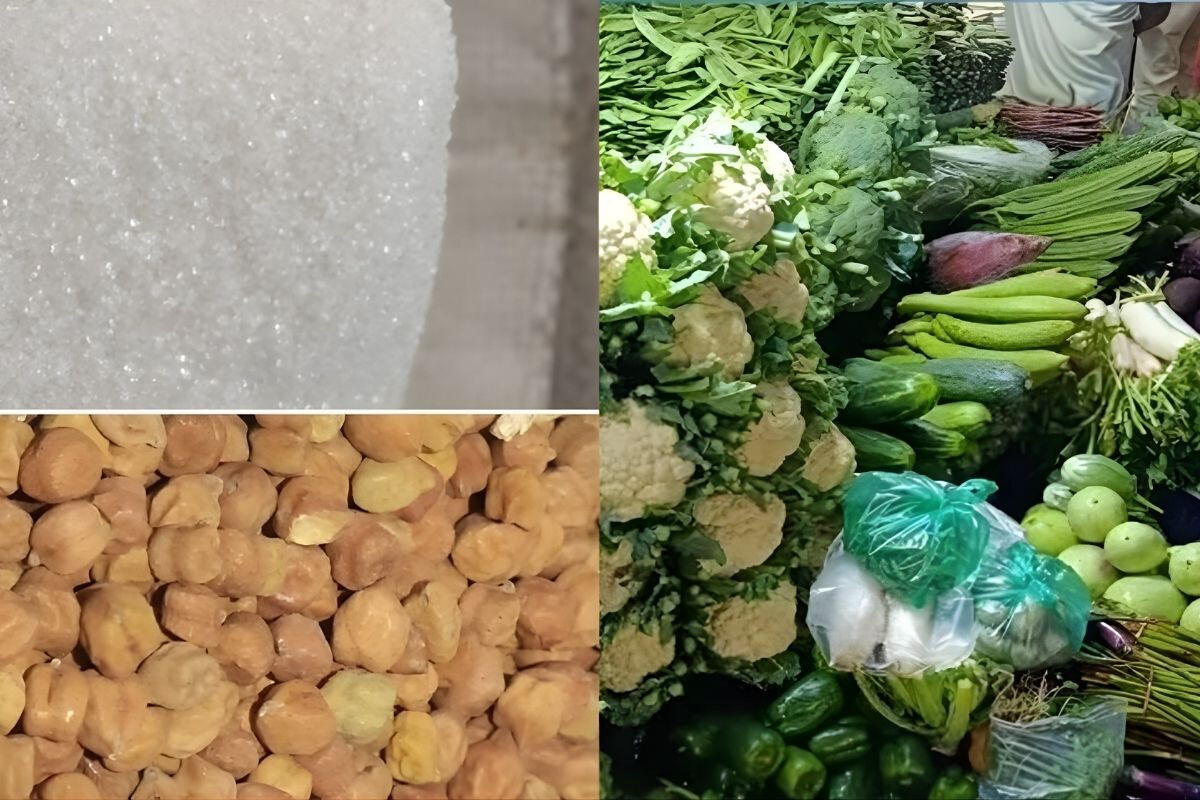
With the holy month of Ramadan approaching, prices of several high-demand food essentials have begun to rise across the capital, placing renewed pressure on household budgets. Among the items witnessing the sharpest increases are chickpeas and sugar—both staples during Ramadan—while vegetable prices have also started climbing even before the winter season has fully faded.
A visit to several kitchen markets in Dhaka on Friday revealed a noticeable upward trend in prices. Retailers confirmed that most vegetables have increased by Tk 10 to Tk 20 per kilogram within the past few days, reversing the relatively affordable prices seen throughout much of the winter.
Chickpeas, a key ingredient for iftar items, are now being sold at Tk 100 to Tk 110 per kilogram. Just a week ago, the same product was available in retail markets for Tk 90 to Tk 100. Traders say prices began rising first in the wholesale markets before gradually affecting consumers.
A similar pattern has emerged in the sugar market. Despite stable supply levels—reportedly better than last year—and steady prices in the international market, domestic prices continue to edge upwards. One month ago, packaged sugar was priced between Tk 100 and Tk 105 per kilogram. Now, all major suppliers have fixed the retail price at Tk 105. Loose sugar, which previously sold for Tk 100–105 per kilogram, is currently unavailable for less than Tk 110 in most markets.
Vegetable prices have also risen steadily. Shoppers reported higher costs for everyday produce, ranging from eggplants to cauliflower, cucumbers and carrots.
| Item | Unit | Price (Tk) |
|---|---|---|
| Chickpeas | per kg | 100–110 |
| Packaged sugar | per kg | 105 |
| Loose sugar | per kg | 110 |
| Round brinjal | per kg | 80 |
| Papaya | per kg | 40 |
| Turnip | per kg | 60 |
| Radish | per kg | 40 |
| Cucumber | per kg | 80 |
| Carrot | per kg | 60 |
| Green chilli | per kg | 160 |
| Tomato | per kg | 80 |
| Sweet pumpkin | per kg | 50 |
| Beans (varies by type) | per kg | 40–80 |
| Potato | per kg | 30 |
| Cauliflower | per piece | 40–50 |
| Cabbage | per piece | 40 |
| Broccoli (small) | per piece | 40–50 |
Shoppers expressed concern over the sudden increases. Jesmin Ara, a customer at Khilkhet market, said she had been purchasing vegetables at lower prices just days earlier. “Today, every vegetable seems Tk 10 to Tk 20 more expensive. Winter vegetables were affordable this season, but now prices are rising again as winter ends,” she noted.
Another buyer, Rashed, observed that price hikes ahead of Ramadan have become almost routine. “Every year, traders raise prices of sugar and chickpeas as Ramadan approaches. This year is no different. The only question is how high the prices will go,” he said.
At Karwan Bazar, Rahim recalled buying cauliflower for Tk 20–30 per piece only days earlier. “Today they asked Tk 50. After bargaining, I managed to buy it for Tk 40. This pattern is the same for most vegetables,” he added.
Traders at Rampura market attributed the increase to seasonal supply changes. According to them, winter is peak season for vegetables, keeping prices low. As winter ends, supplies shrink, forcing wholesalers to buy at higher rates—costs that are ultimately passed on to consumers.
Meanwhile, poultry prices remain elevated. Broiler chicken continues to sell at Tk 170–185 per kilogram, while Sonali chicken has risen from Tk 270–280 to Tk 290–300 per kilogram, following an earlier increase of Tk 10–15 that has yet to ease.
As Ramadan draws nearer, consumers fear further price hikes unless market monitoring and supply management are strengthened..




Comments