Sunday, 5th April 2026
Khabor Wala Desk
Published: 16th February 2026, 12:40 AM
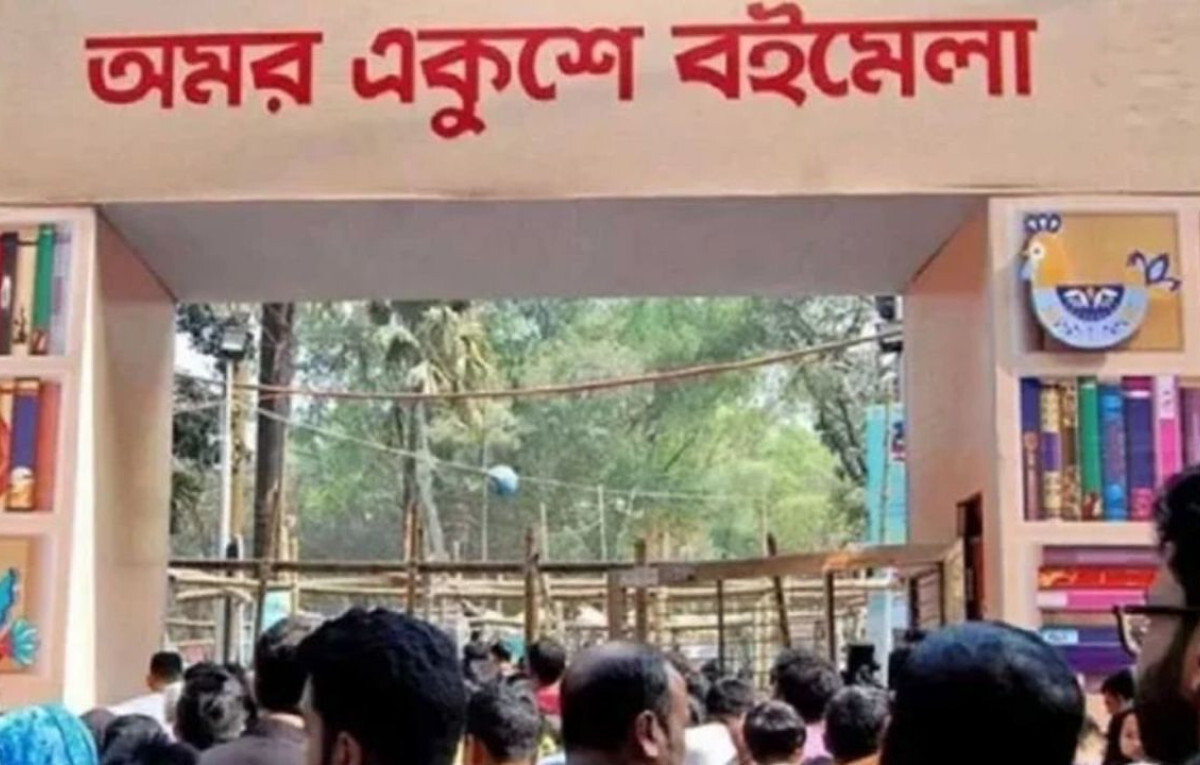
A coalition of over three hundred creative publishers in Bangladesh has issued an urgent appeal to relocate the dates of the Amar Ekushey Boi Mela 2026. In a formal written petition submitted to the Director General of the Bangla Academy on Sunday, the publishers argued that the current proposal to commence the fair on 20 February is “divorced from reality” and threatens to push the entire publishing industry toward financial ruin.
Traditionally, the month-long book fair celebrates the Language Movement of 1952. However, the 2026 calendar presents a unique challenge: the fair coincides almost entirely with the holy month of Ramadan. Publishers contend that holding the event during a period of fasting, coupled with the post-election political climate and the intense heat of the season, will result in a catastrophic drop in footfall.
The publishers’ primary concerns are outlined below:
| Concern | Impact on the Fair |
|---|---|
| Ramadan Fasting | Drastic reduction in afternoon and evening crowds due to Iftar and Tarawih prayers. |
| Extreme Weather | Severe heat and humidity deter families and elderly readers from visiting. |
| Logistics & Staffing | Difficulty for university students (who staff the stalls) to work long hours while fasting. |
| Financial Risk | After 18 months of industrial slump, publishers fear losing their remaining capital on an unsuccessful event. |
A significant point of contention involves the welfare of the workforce. The stalls are primarily managed by university students. Publishers have labelled the prospect of requiring these young workers to manage crowds, handle sales, and maintain security while fasting—all during the transition to Iftar and through the evening prayers—as “inhumane.”
“We are not prepared to subject our staff to such hardship for an event that is likely to see empty aisles,” a representative from the collective stated.
The Bangla Academy has expressed reservations regarding a delay, citing the high probability of nor’westers (seasonal storms) and heavy rainfall in April. However, the publishers have remained steadfast, asserting that they would rather face the risks of natural disasters after Eid-ul-Fitr than the guaranteed financial failure of a Ramadan schedule. They noted that the fair was successfully held in April during the COVID-19 pandemic, proving that a non-February schedule is entirely feasible.
The publishers have clarified that they will boycott the event if the February date is enforced. They argue that a book fair is not a “bureaucratic routine” but a vibrant cultural festival that requires an atmosphere of celebration—an atmosphere they believe will only return after the Eid festivities.
They are calling upon government policymakers to prioritise the survival of the creative industry and ensure the fair takes place when readers are most eager to participate in a festive, communal spirit.

Comments