Sunday, 5th April 2026

Khabor Wala Desk
Published: 17th August 2025, 11:23 AM
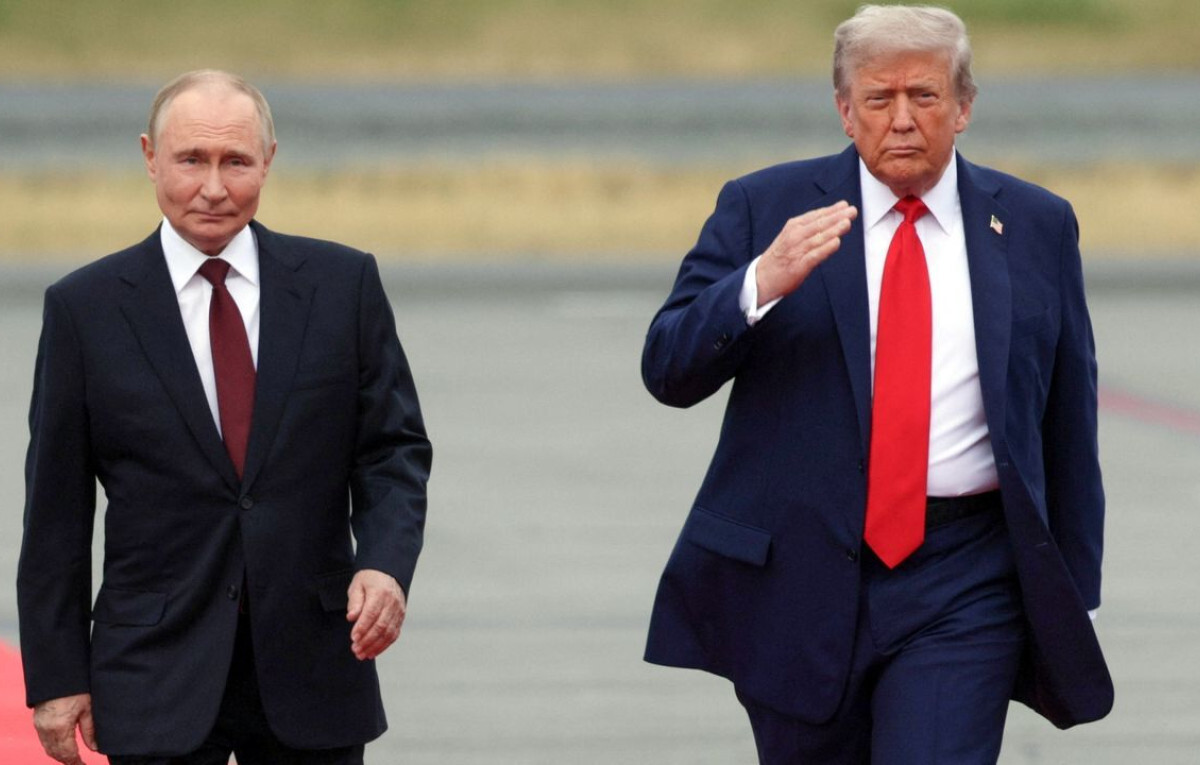
Russian President Vladimir Putin has laid out several conditions for a peace agreement with Ukraine. Among them is the withdrawal of Ukrainian forces from the Donetsk and Luhansk regions, in exchange for Russia’s commitment to maintain stability in certain eastern areas.
Putin’s proposal emerged during his recent meeting with US President Donald Trump. This information came to light the day after the two leaders held talks at a military base in Alaska last Friday. It was the first face-to-face meeting between a US and Russian president since the beginning of the Ukraine war.
Ukrainian President Volodymyr Zelensky is scheduled to visit Washington tomorrow (Monday) to discuss potential solutions to the conflict, which began in February 2022.
In an interview with Fox News, Trump said he had hoped for a ceasefire decision during the Alaska meeting, although that did not materialise. However, he stated that there was “broad agreement” with Putin on issues such as territorial division and security guarantees. According to Trump, “We are very close to a deal, but Ukraine has to agree.”
According to sources, the proposal requires Ukrainian troops to withdraw from the Donetsk and Luhansk regions. In return, Russia would pledge to maintain stability in the Kherson and Zaporizhzhia regions. However, Ukraine has rejected the idea of vacating Donetsk, arguing that their forces are in strong positions there, which are vital in resisting Russian attacks.
Data from the Deep State project suggests that Russia currently occupies approximately 440 square kilometres of land in Sumy and Kharkiv, while Ukraine retains control over 6,600 square kilometres in the Donbas region—territory Russia continues to claim as its own.
Putin is also seeking formal recognition of Russian sovereignty over Crimea. However, it remains unclear whether the United States or European countries would be willing to grant such recognition. Additionally, Putin is hoping for the removal of some of the sanctions imposed on Russia.
As part of the peace agreement, Putin has also stipulated that Ukraine must not join NATO. In exchange, he has indicated readiness to provide security guarantees. Russia is also demanding that the Russian language be granted official recognition in certain parts of Ukraine and that the Russian Orthodox Church be allowed to operate freely.
Ukraine’s security services have alleged that Moscow-linked churches are supporting the Russian war effort by spreading propaganda and harbouring spies. Church authorities have denied these allegations, claiming that they have formally severed ties with Moscow.
Ukraine has already passed a law banning religious institutions linked to Russia. While the Russian Orthodox Church falls under this category, the law has yet to be implemented.
Comments