Sunday, 5th April 2026

Khabor Wala Desk
Published: 31st January 2026, 9:34 AM
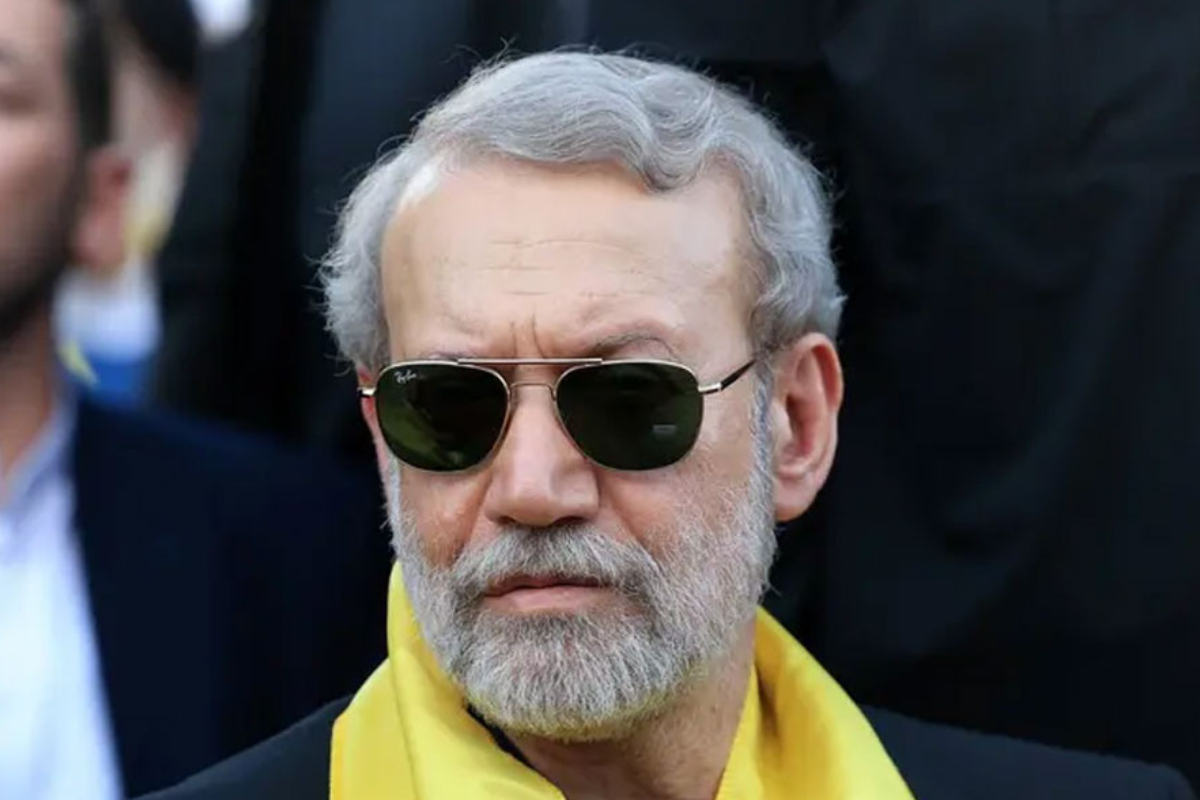
President Vladimir Putin has held talks in Moscow with Iran’s most senior national security official at a moment of heightened international tension, underlining the deepening strategic alignment between Russia and Iran. The meeting took place on Friday at the Kremlin, where Putin received Ali Larijani, Secretary of Iran’s Supreme National Security Council, according to an official statement issued by the Russian presidency.
The encounter comes against the backdrop of renewed diplomatic manoeuvring over Iran’s nuclear programme. On the same day, former US president Donald Trump publicly stated that he believed Tehran was interested in reaching a deal on its nuclear activities in order to avoid military confrontation. Despite this, Trump also reiterated warnings of potential military action against Iran, reinforcing the sense of uncertainty surrounding Washington’s future approach to Tehran.
In its statement, the Kremlin confirmed that President Putin “welcomed the Secretary of Iran’s Supreme National Security Council, Ali Larijani, who is visiting the Russian Federation.” While no detailed readout of the discussions was provided, the timing and secrecy surrounding the visit have drawn considerable attention from analysts. Russia’s state news agency reported that the trip had not been announced in advance, suggesting that the talks may have involved sensitive strategic issues.
Iran’s embassy in Moscow indicated via social media that the discussions covered bilateral economic cooperation as well as key regional and international matters. Observers believe these likely included developments in the Middle East, the future of Iran’s nuclear programme, Western sanctions, and broader security concerns linked to the wars in Ukraine and Gaza. The absence of specific details has only fuelled speculation about the scope and depth of the dialogue.
Russia has, in recent months, offered to act as a mediator between the United States and Iran, presenting itself as a diplomatic bridge at a time when direct communication between Washington and Tehran remains limited. Since the outbreak of the Ukraine war, Iran has emerged as one of Russia’s most important partners, with cooperation reportedly extending into military, energy and technology spheres. In return, Moscow has consistently defended Tehran in international forums and criticised Western pressure and sanctions imposed on the Iranian leadership.
The meeting also took place amid intensified internal unrest in Iran. The government has been accused by international observers and human rights groups of violently suppressing protests, with claims that thousands of people have been killed or injured during crackdowns. These developments have further strained Iran’s relations with Western capitals, pushing Tehran to rely more heavily on allies such as Russia and China.
For Moscow, the relationship with Iran serves multiple strategic purposes. It strengthens Russia’s influence in the Middle East, counters US and European pressure, and reinforces a broader narrative of resistance to what both countries describe as Western dominance in global affairs. For Tehran, Russian diplomatic backing offers a crucial shield against isolation at a time of economic hardship and political pressure.
| Aspect | Details |
|---|---|
| Meeting location | Kremlin, Moscow |
| Date | Friday |
| Participants | Vladimir Putin and Ali Larijani |
| Iranian position | Secretary, Supreme National Security Council |
| Main discussion areas | Economic ties, regional and international issues |
| Broader context | Iran nuclear talks, US pressure, Ukraine war |
Overall, the Putin–Larijani meeting highlights the evolving geopolitical landscape in which Russia and Iran are increasingly coordinating their positions. As tensions over Iran’s nuclear ambitions persist and global power rivalries sharpen, such high-level contacts are likely to play a significant role in shaping future diplomatic and security dynamics.


Comments