Sunday, 5th April 2026

Khabor Wala Desk
Published: 4th February 2026, 9:40 AM
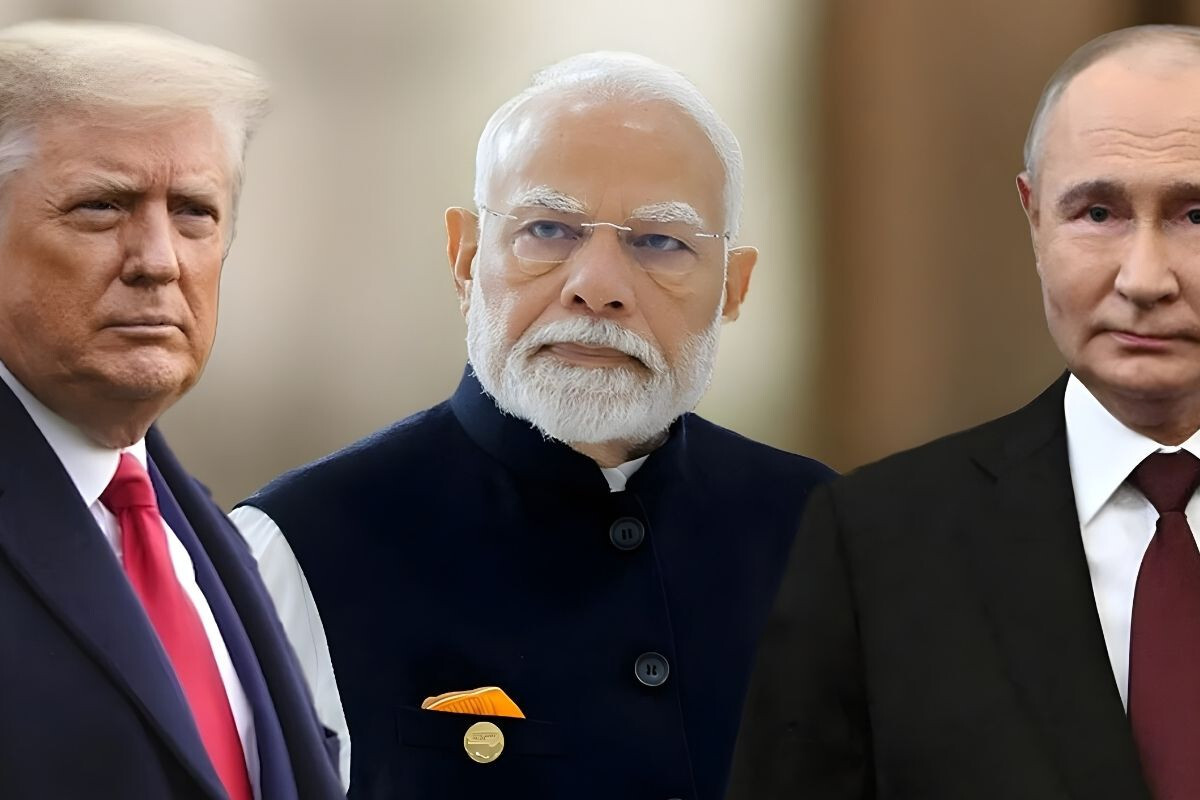
India finds itself navigating a delicate geopolitical and economic balancing act following recent claims by U.S. President Donald Trump regarding a purported trade agreement between New Delhi and Washington. According to President Trump, India has agreed to halt oil purchases from Russia as part of a broader arrangement aimed at easing trade tensions between the two countries.
However, the Kremlin has firmly denied receiving any official communication or commitment from India on suspending energy imports. Dmitry Peskov, spokesperson for the Russian government, told reporters that while Russia respects India–U.S. bilateral relations, it places “utmost importance” on maintaining its “advanced strategic partnership” with New Delhi. Peskov emphasised that Moscow is determined to further develop bilateral ties with India.
On Monday, 2 January, President Trump announced that the United States had reduced tariffs on Indian goods from 50 per cent to 18 per cent. In exchange, he claimed, India would cease importing oil from Russia and increase purchases from the United States and Venezuela. Trump suggested that Prime Minister Narendra Modi’s cooperation on this front could contribute to ending the conflict in Ukraine by restricting Russia’s financial capacity to sustain its war efforts. Similar claims were made by Trump last year, although those did not materialise into concrete results.
India has long been a major buyer of Russian crude oil, with imports averaging approximately 1.5 million barrels per day—accounting for over one-third of the country’s total energy imports. Indian authorities have consistently defended this trade, citing the importance of energy security and economic stability.
While India’s historical ties with Russia have largely been defence-oriented, recent years have seen New Delhi actively leverage the opportunity to secure discounted Russian crude. In December last year, Russian President Vladimir Putin visited India and reaffirmed the uninterrupted supply of energy, despite pressure from Washington.
The situation highlights India’s complex diplomatic position, caught between its longstanding partnership with Russia and growing economic engagement with the United States. Analysts suggest that New Delhi will likely continue a pragmatic approach, balancing energy needs, trade benefits, and strategic alliances.
India’s Crude Oil Imports: Key Figures
| Source Country | Daily Imports (Million Barrels) | Share of Total Imports (%) | Notes |
|---|---|---|---|
| Russia | 1.5 | 34 | Main supplier of discounted crude |
| Middle East | 2.0 | 45 | Includes Saudi Arabia, UAE, Iraq |
| United States | 0.5 | 11 | Rising imports amid U.S. pressure |
| Venezuela | 0.3 | 5 | Limited supply, part of U.S. deal |
| Others | 0.2 | 5 | Various countries |
India now faces a strategic choice: adhere to U.S. trade incentives or maintain energy security through its established Russian partnership. The coming months will be crucial in defining New Delhi’s stance amid competing geopolitical pressures.



Comments