Sunday, 5th April 2026

Khabor Wala Desk
Published: 8th March 2026, 10:08 AM
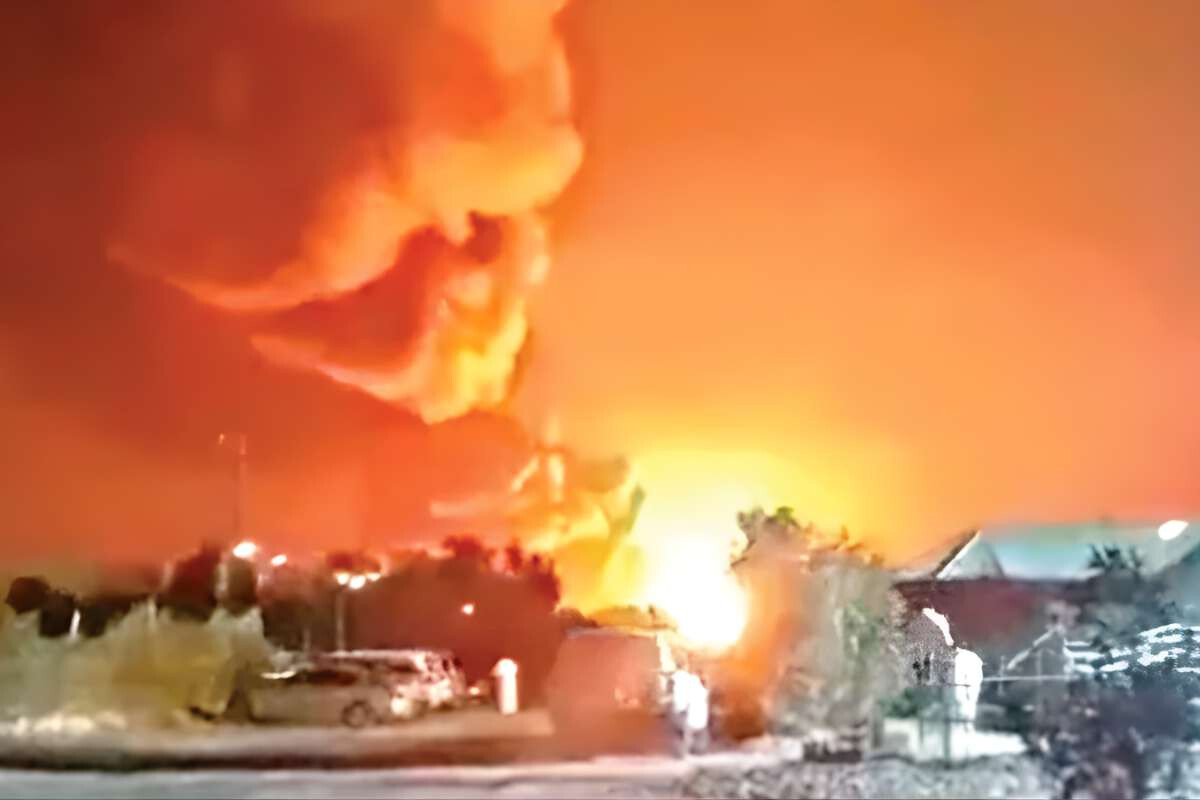
The conflict between Israel and Iran, triggered by a series of US–Israeli attacks on Iranian territory, has now entered its second week, leaving the Middle East in turmoil. Thousands have been killed, infrastructure has been severely damaged, and global economic repercussions are mounting, particularly due to disruptions in the Strait of Hormuz. Lower- and middle-income countries, including Bangladesh, face heightened risk of fuel shortages, as crude oil and liquefied natural gas (LNG) shipments are delayed.
On Friday, US and Israeli forces launched widespread strikes across Tehran and other Iranian cities. In a retaliatory move, Iran targeted Israel, including Ben Gurion Airport in Tel Aviv, employing next-generation missiles that Israel’s air defence systems struggled to intercept. In parallel, Iran has continued to target US military bases, radar systems, and naval assets across the Middle East, with attacks reported in Saudi Arabia, Qatar, Kuwait, Bahrain, and the United Arab Emirates. While regional forces claim to have intercepted drones, casualties have occurred; a Bangladeshi national was killed in Kuwait, adding to previous civilian fatalities among Bangladeshi expatriates.
Qatar’s Energy Minister, Saad al-Kaabi, warned that the ongoing conflict could devastate the global economy, prompting Qatar to halt LNG production. Iranian authorities, including President Masoud Pezeshkian and Foreign Minister Abbas Araghchi, condemned the attacks as deliberate assaults on civilian populations and stated that naval movements in the Strait of Hormuz would remain under Iranian control.
The humanitarian toll is mounting. According to Iranian health authorities and the Red Crescent, 1,332 Iranians, including 168 schoolchildren, have been killed and over 2,000 injured in the past week. Hospitals, emergency centres, and over 3,600 civilian structures have sustained significant damage. In Israel, the Health Ministry reported 140 injuries from Iranian and Hezbollah attacks in a single day, with total casualties since the conflict’s start exceeding 1,600.
International responses have varied. The UK, under Prime Minister Sir Keir Starmer, refused to allow US aircraft to use British bases for strikes on Iran, while leaders in Australia, Canada, Germany, Spain, and Portugal have called for de-escalation. Russia is reportedly providing intelligence to Iran, while US officials have confirmed intensified military operations, including B-2 bomber strikes against underground missile sites.
Below is a summary of casualties and damage:
| Location | Deaths | Injured | Structures Damaged | Notable Targets |
|---|---|---|---|---|
| Iran | 1,332 | 2,000+ | 3,643 | Hospitals, schools, Red Crescent facilities, residential areas |
| Israel | 11 | 138 | N/A | Ben Gurion Airport, Tel Aviv, Haifa military sites |
| Lebanon | 217 | N/A | N/A | Southern suburbs of Beirut, Sidon |
| Kuwait | 1 | N/A | N/A | US military installations |
| UAE | N/A | N/A | N/A | Ballistic missiles and drones intercepted near oil vessels |
Meanwhile, humanitarian efforts continue. Sri Lanka rescued 208 crew members from the Iranian vessel IRIS Bushehr, which had been attacked earlier in the conflict. Negotiations are ongoing to ensure the safe passage of oil and gas shipments through the Strait of Hormuz, crucial for global energy markets.
With both sides escalating their strikes, analysts warn that the conflict could trigger long-term regional instability, endanger Europe’s energy security, and exacerbate a global fuel crisis.


Comments