Sunday, 5th April 2026

Khabor Wala Desk
Published: 28th February 2025, 1:23 AM
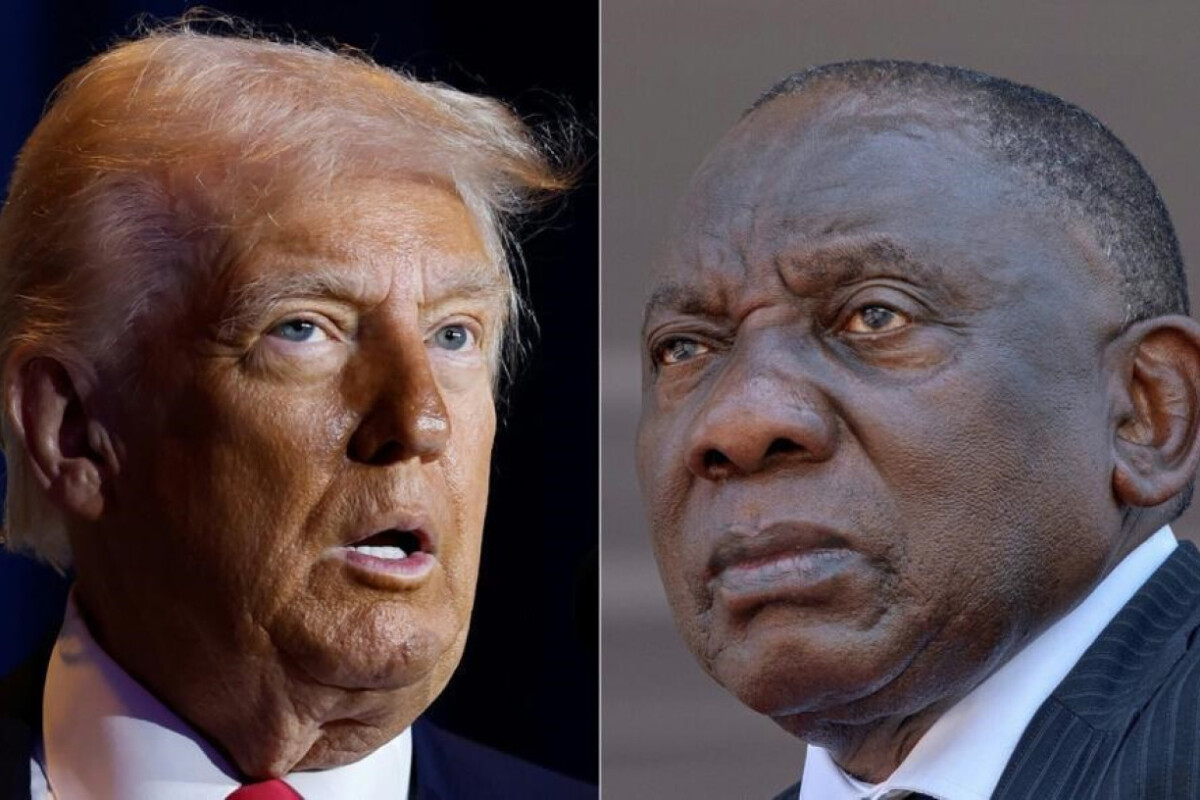
JOHANNESBURG, 28 February 2025 (BSS/AFP) – On the streets of Johannesburg’s student district, US President Donald Trump’s proposal to accept white Afrikaners as refugees has been met with ridicule and disbelief by South Africans of all backgrounds.
Trump recently cut off aid to South Africa, alleging—without evidence—that the Pretoria government is seizing white-owned land and persecuting Afrikaners, the descendants of European settlers.
South African-born billionaire Elon Musk, a close ally of Trump and the world’s richest person, has previously echoed far-right conspiracy theories about a supposed “white genocide” in the country.
“Trump doesn’t know anything about this. I feel like Elon Musk is pushing him behind the scenes, saying: ‘There’s something there. Go look at it,’” said Lulusuku Mahlangu, an electrical engineering student.
“It’s greed,” Mahlangu continued. “When you have too much power, you think you can control everyone.”
Many South Africans have expressed both indignation and bemusement at the idea of whites being designated as victims in a country where they still hold significant economic power. Under apartheid, which ended in 1994, the Afrikaner nationalist government institutionalised white supremacy. Even today, white South Africans own roughly two-thirds of farmland and, on average, earn three times more than black citizens.
“I find it funny because I live here and I don’t see that sort of persecution in any way,” said Lwandle Yende, a 34-year-old telecommunications specialist.
‘Borderline Lame’
“It’s ridiculous, funny, and weird,” Yende remarked, adjusting his designer sunglasses. “I think we’ve been quite accommodating, considering everything that happened in our past. There’s no such thing as apartheid 2.0.”
Trump’s criticism centres on a new law that allows the South African government, in specific circumstances, to seize land without compensation if it serves the public interest. Legal experts stress that the law merely clarifies existing regulations rather than granting the government any new powers.
Even right-wing white lobby groups appeared caught off guard by Trump’s offer to resettle Afrikaners in the United States.
“The suggestion has some racist undertones,” said Reabetswe Mosue, 22. “It is uninformed and borderline lame.”
Trump’s executive order also terminates all US funding to South Africa, including significant contributions to the country’s HIV programme.
“America has betrayed us by bringing him back,” said 56-year-old pastor Israel Ntshangase, referring to Trump’s return to office. “He messed up Africa before, and he’s doing it again,” he warned, predicting that Trump’s policies “will haunt him.”
Life in America ‘Not Cheap’
The South African government has sought to downplay concerns over Trump’s resettlement plan, calling it “ironic” given that the United States is simultaneously implementing strict deportation measures.
“Who wants to leave this beautiful country?” Yende asked rhetorically, laughing off Trump’s proposal. He noted that even his white friends found the idea absurd.
While Trump’s plan might appear attractive to some Afrikaners, others caution that it may not deliver what it promises.
“America is not cheap,” said Matthew Butler, a 62-year-old tax and insurance specialist. “Are you going to have work? How are you going to make a living?”
Despite this, the South African Chamber of Commerce in the United States has reported a surge in resettlement inquiries, estimating that up to 50,000 people may consider emigrating.
Some South Africans are indifferent to those who wish to leave. “Let them go if they think they’ll find the fresh air they’re looking for,” said Hannah Maja, a 28-year-old lecturer at the University of the Witwatersrand. “At the end of the day, black people still suffer.”
However, not everyone shares that view. Film student Clayton Ndlovu, 22, argued that Afrikaners remain an integral part of South African society.
“We do need the Afrikaners,” he said. “As much as we don’t always get along, we actually do need them.”
For Ndlovu, Trump’s rhetoric is nothing more than an attempt to spread fear. “Trump is just trying to scare people,” he concluded.



Comments