Sunday, 5th April 2026

Khabor Wala Desk
Published: 1st December 2025, 7:49 PM
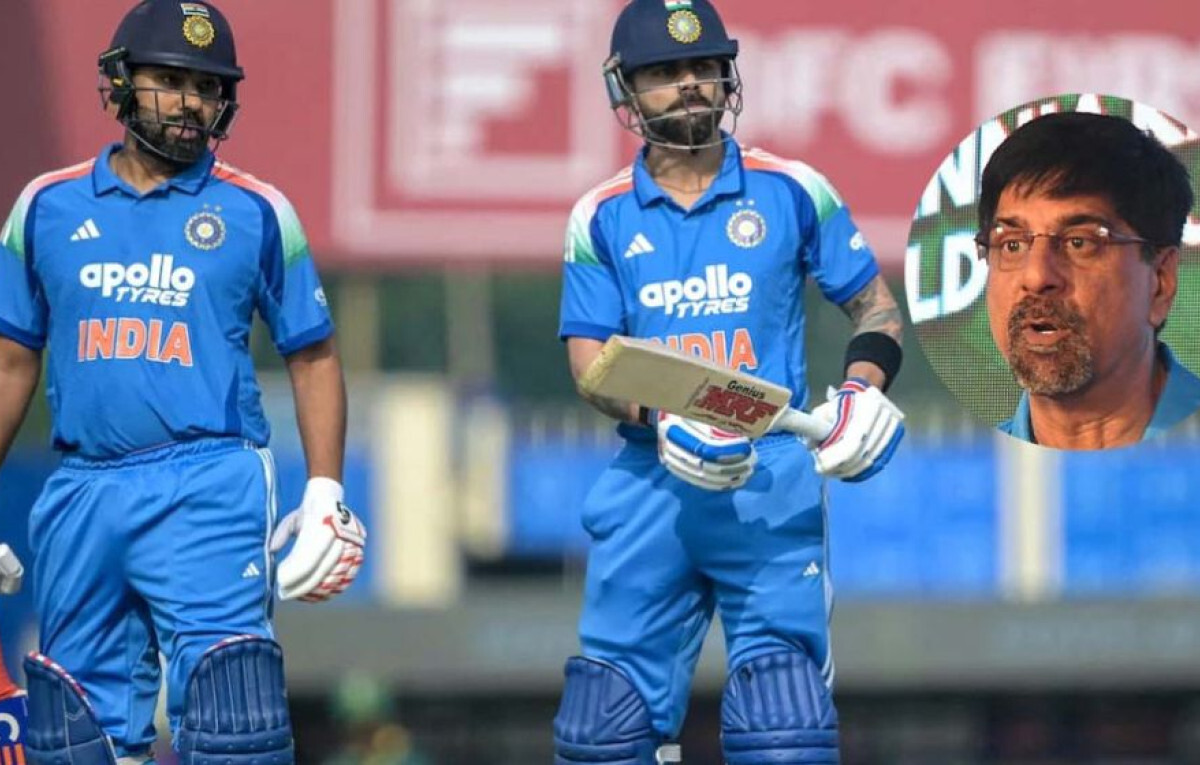
The sun dipped slowly behind the stands at the JSCA Stadium in Ranchi, casting a warm glow on a pitch that promised runs. Spectators settled into their seats with a familiar sense of anticipation, for whenever Rohit Sharma and Virat Kohli bat together, something memorable tends to unfold. What no one knew then was that the evening would reignite an old debate and shape an even older question: can India dare to dream of a 2027 World Cup without them?
Rohit walked out first, shoulders relaxed, eyes calm. His 51-ball 57 was a display of controlled authority. The three sixes he struck were reminders of the effortless power that has long defined him. When the third one sailed over the boundary, history quietly shifted—Rohit Sharma became the leading six-hitter in ODI cricket, surpassing Shahid Afridi. The crowd rose not only to applaud a milestone, but to salute a master still very much in command.
Kohli, meanwhile, crafted an innings of artistry. His 135 off 120 balls felt like a blend of youthful intensity and veteran poise. Every boundary—eleven fours and seven colossal sixes—carried the imprint of a batsman who refuses to bow to the limits of age. Together, their 136-run partnership transformed the match into a one-sided affair and left South Africa visibly rattled.
For Kris Srikkanth, watching the match brought a sense of clarity. The former India captain, never one to mince words, went on his YouTube channel with an unmistakable conviction: “Rohit on one side, Kohli on the other. Without them, India will not win the 2027 World Cup. It is as simple as that.”
His statement may sound bold, even provocative, but it arose from a lifetime of cricketing insight. Srikkanth knows what it takes to win big tournaments—the pressures, the expectations, the moments that define champions. And to him, the key ingredients remain experience, hunger and temperament, all qualities Rohit and Kohli still embody.
He pointed out the telling statistics of the match: 80 runs in the powerplay, India cruising at 161 for one by the 22nd over. “If they bat 20 overs together, the opposition is finished,” he said. In Ranchi, his words found fresh evidence.
The sceptics, of course, persist. Age remains the central concern. By 2027, Rohit and Kohli will be nearing forty—an age cricketers rarely dominate in fast-paced international tournaments. But Srikkanth highlighted another dimension: both players have adapted their routine, focusing exclusively on ODIs after stepping away from Tests and T20Is. Their conditioning, discipline and mental sharpness remain unquestionable.
The next World Cup, set to be hosted in South Africa, Zimbabwe and Namibia, will present tough conditions—bouncy pitches, lively seamers and unforgiving atmospheres. This, too, strengthens Srikkanth’s argument. Few Indian batsmen handle pace and bounce as competently as Kohli and Rohit.
So, that evening in Ranchi became more than a cricket match. It became a message—perhaps even a warning. Rohit and Kohli are not merely aging stars lingering past their peak. They remain pillars of India’s cricketing structure, guardians of ambition, bearers of big-match temperament.
And for Kris Srikkanth, one thing is unmistakably clear: leaving them out of the 2027 World Cup equation would be a gamble India cannot afford.




Comments