Saturday, 4th April 2026

Khabor Wala Desk
Published: 21st March 2026, 6:21 PM
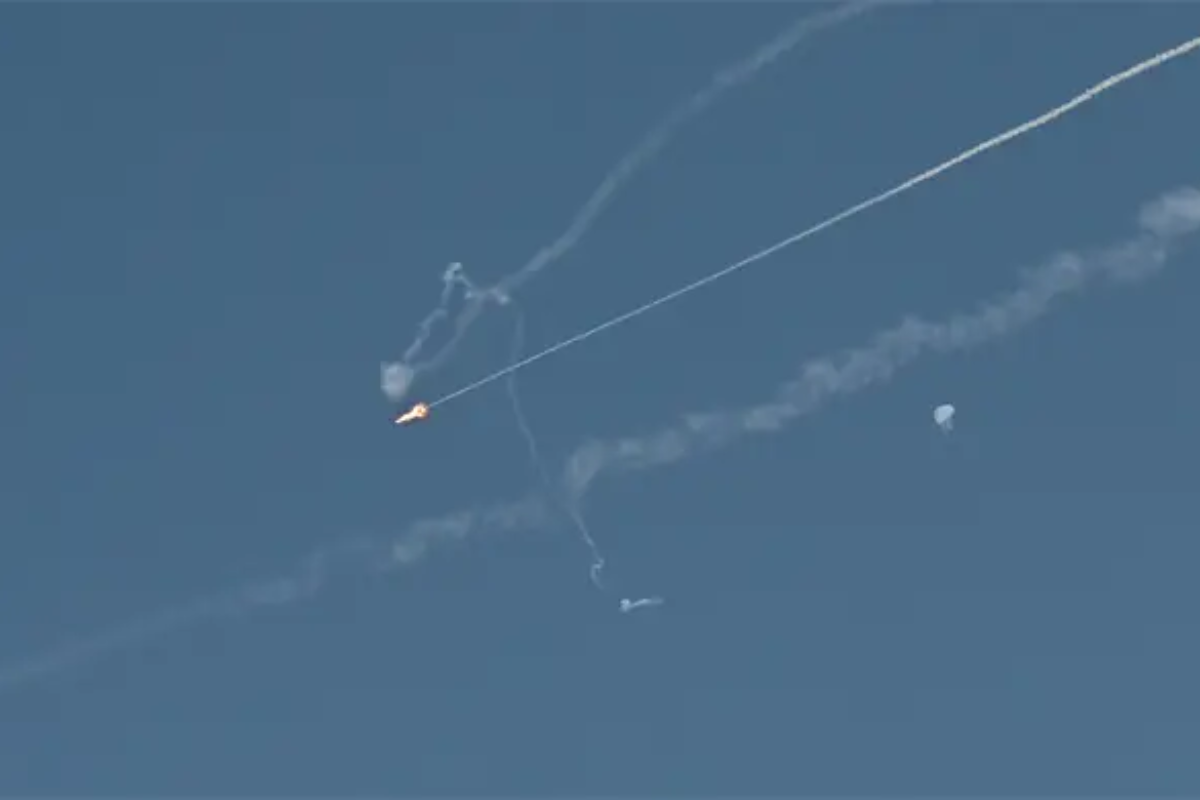
Saudi Arabia reported the interception of more than twenty drones in its eastern region on Saturday, signalling rising tensions in the Middle East. The country’s Ministry of Defence confirmed the successful neutralisation of 22 unmanned aerial vehicles, highlighting the effectiveness of its air defence systems.
According to official statements posted on the social media platform X, the Ministry initially reported that ten drones were intercepted and destroyed over the eastern provinces. A subsequent announcement confirmed that an additional twelve drones were downed by the kingdom’s air defence systems within the same region.
The attacks are part of ongoing retaliatory operations linked to Iran, which has escalated strikes against Gulf countries, including Saudi Arabia, in response to US and Israeli military actions. The increasing frequency of drone and missile attacks over recent weeks has intensified regional instability, raising concerns of a broader conflict across the Middle East.
AFP news agency reported that these cross-border assaults are primarily targeting strategic energy installations, particularly oil facilities, heightening fears of disruptions to global energy supplies. Analysts warn that continued attacks could exacerbate supply chain vulnerabilities and place further strain on already volatile energy markets.
Saudi authorities emphasised the readiness of their air defence network to counter unmanned aerial threats and reassured citizens of the country’s ability to safeguard vital infrastructure. No casualties or significant damage were reported in connection with the latest interceptions.
The broader regional context reflects a volatile security environment, as Gulf nations face the dual challenge of defending critical infrastructure while avoiding escalation that could draw in external powers. The ongoing drone campaign is a stark reminder of the strategic vulnerability of energy-rich nations in geopolitically tense areas.
Saudi Drone Interceptions: Key Facts
| Aspect | Details |
|---|---|
| Date | Saturday, March 21, 2026 |
| Location | Eastern provinces, Saudi Arabia |
| Number of Drones Intercepted | 22 (10 initial + 12 subsequent) |
| Responsible Defence Body | Saudi Ministry of Defence |
| Nature of Threat | Unmanned aerial vehicles (drones) targeting strategic locations |
| Regional Context | Iran-led retaliatory operations in Gulf countries following US-Israel strikes |
| Implications | Potential disruption to energy infrastructure; global oil market concerns |
| Casualties/Damage | None reported |
The interception of 22 drones underscores both the sophistication of Saudi Arabia’s air defence capabilities and the persistent threat posed by drone warfare in the region. Energy-dependent economies are particularly vulnerable, making the protection of oil infrastructure a priority not only for national security but also for global economic stability.
As tensions persist, Gulf nations continue to monitor and bolster their defence readiness while international observers warn of the potential for the conflict to spill over further. The incident highlights how modern drone technology has become a central feature in regional proxy conflicts, with significant geopolitical and economic ramifications.




Comments