Sunday, 5th April 2026

Khabor Wala Desk
Published: 10th February 2026, 3:05 PM
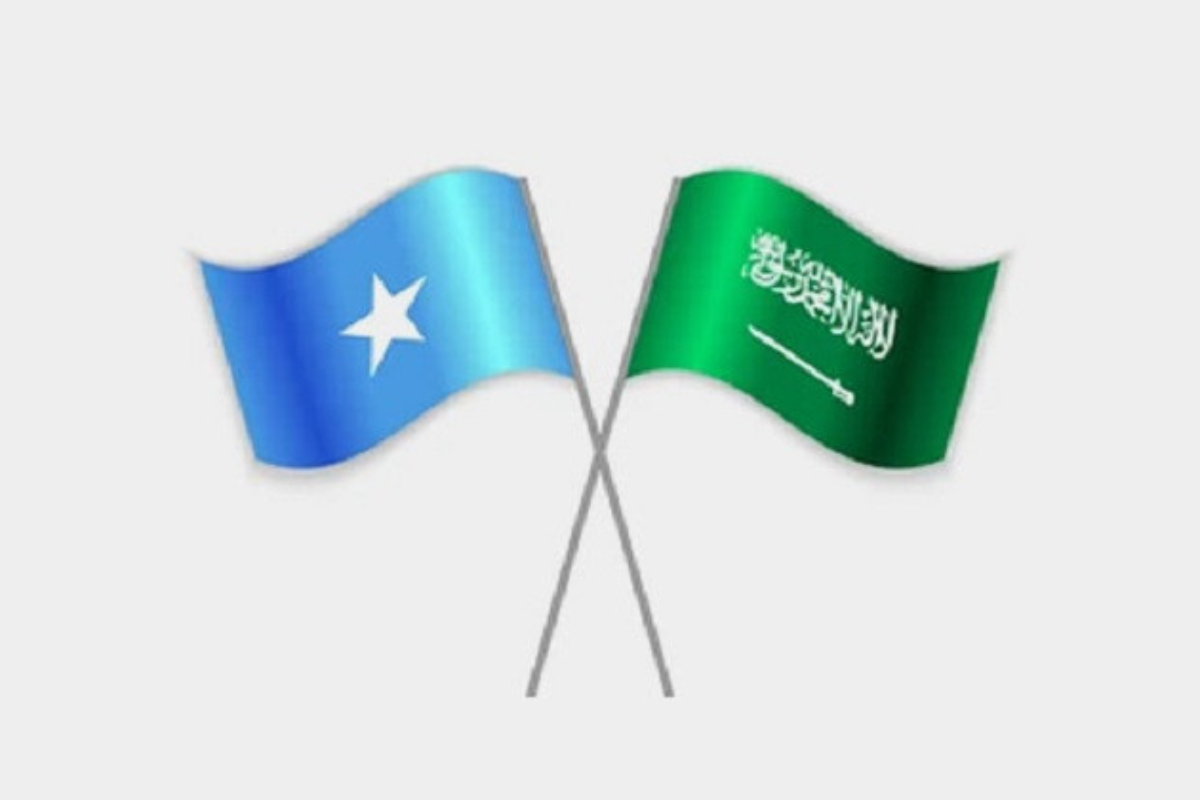
Somalia and Saudi Arabia have formalised a new framework for defence and military co-operation, signalling a deepening strategic partnership amid shifting security dynamics in the Horn of Africa and the Red Sea corridor. Somalia’s Ministry of Defence announced on Monday that the two countries had concluded a memorandum of understanding (MoU) designed to expand collaboration across a range of mutually agreed areas, including training, capacity-building, information exchange and maritime security.
The agreement was signed in Riyadh by Somalia’s Minister of Defence, Ahmed Moallim Fiqi, and his Saudi counterpart, Prince Khalid bin Salman. Officials described the accord as part of a broader effort to professionalise Somalia’s security institutions while aligning regional partners around shared threats such as terrorism, illicit trafficking and piracy along vital sea lanes.
Local Somali media reported that the strategic partnership is intended to reinforce regional stability and strengthen security in and around the Red Sea, one of the world’s most critical maritime routes for energy supplies and global trade. The waters linking the Bab el-Mandeb Strait to the Suez Canal have in recent years faced heightened risks from piracy, arms smuggling and the spillover of regional conflicts. Saudi Arabia, whose economy and energy exports depend heavily on safe passage through these routes, has sought closer security co-ordination with coastal and neighbouring states.
The pact also reflects a changing geopolitical climate in the Horn of Africa. Following Israel’s recognition of Somaliland, Somalia’s breakaway region, relations between Mogadishu and Riyadh have reportedly grown closer, with Saudi Arabia reiterating its support for Somalia’s territorial integrity. Analysts note that Saudi engagement in the region has expanded in parallel with Gulf states’ broader interest in Red Sea security, port infrastructure and stability along the eastern African seaboard.
For Somalia, the agreement offers practical benefits at a time when its armed forces and security agencies are undergoing reform and facing persistent threats from extremist groups and organised crime networks. The government has expressed interest in acquiring advanced technological support and military equipment from partner countries to enhance border control, airspace monitoring and coastal surveillance. Capacity-building, specialist training and the modernisation of command-and-control systems are expected to feature prominently in the implementation phase of the MoU.
While neither side released detailed timelines or funding commitments, officials indicated that joint committees would be formed to translate the framework into operational projects. Regional observers suggest the agreement could pave the way for expanded joint exercises, technical assistance and intelligence co-operation, contributing to a more co-ordinated security posture across the Red Sea and the wider Horn of Africa. The accord underscores how maritime security, territorial integrity and counter-terrorism have become intertwined priorities for states seeking to stabilise one of the world’s most strategically sensitive corridors.
Indicative Areas of Co-operation Under the MoU
| Area of Co-operation | Likely Activities | Intended Outcomes |
|---|---|---|
| Joint training | Officer education, specialist unit training | Improved operational readiness |
| Intelligence sharing | Information exchange on terrorism and trafficking | Enhanced early warning and prevention |
| Maritime security | Coastal patrols, surveillance co-ordination | Safer sea lanes and reduced piracy |
| Technical assistance | Surveillance systems, communications equipment | Stronger border and airspace monitoring |
| Capacity-building | Institutional support and doctrine development | Long-term strengthening of defence forces |




Comments