Sunday, 5th April 2026

Khabor Wala Desk
Published: 31st July 2025, 4:35 PM
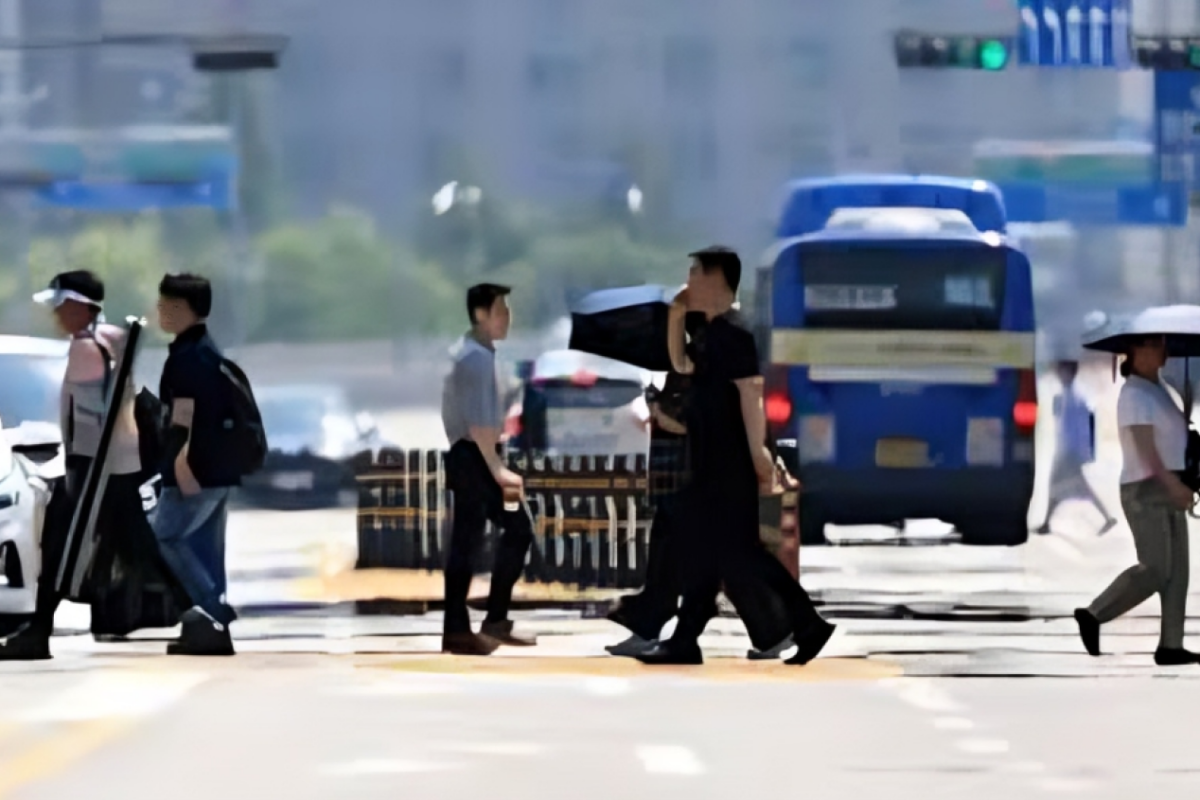
A prolonged and severe heatwave has gripped the South Korean capital, Seoul, breaking a century-old meteorological record for consecutive tropical nights in July.
Record Heat at Night
According to official data released on Thursday, Seoul experienced 22 consecutive tropical nights in July, where overnight temperatures remained above 25°C. This is the longest streak for the month since modern weather records began in October 1907.
The capital was also poised to register its hottest July night on record on Wednesday, as the minimum temperature was recorded at 29.3°C. Should Thursday night temperatures exceed this, the record will be broken again.
What is a ‘Tropical Night’?
In South Korea, a “tropical night” refers to any night when temperatures do not fall below 25°C.
Rising Global Temperatures
This extreme weather pattern in Seoul is part of a broader global trend. An analysis of data from the European climate monitor Copernicus revealed that June was the hottest month ever recorded for at least 12 countries worldwide.
Expert Insight
Youn Ki-han, Director at Seoul’s Meteorology Forecast Division, explained the phenomenon:
“The warm air from the North Pacific High began affecting South Korea a bit earlier than usual. As that influence gradually built up, the heat accumulated, much like interest compounding in a savings account.”
He added:
“Normally, if it’s hot for just a day, temperatures spike and then quickly return to normal. But when warm conditions persist for several days, the heat doesn’t fully dissipate — it lingers and builds each day.”
Human and Agricultural Impact
The consequences of this prolonged heat have been severe:
| Impact Area | Details |
| Human Health | 13 suspected heat-related deaths reported |
| Comparison (Year-on-Year) | Triple the number of deaths from last year |
| Livestock | Hundreds of thousands of animals perished |
Data from the Korea Disease Control and Prevention Agency confirm that the toll of the heatwave is already significant and likely to worsen if conditions persist.




Comments