Sunday, 5th April 2026

Khabor Wala Desk
Published: 1st April 2026, 2:24 AM
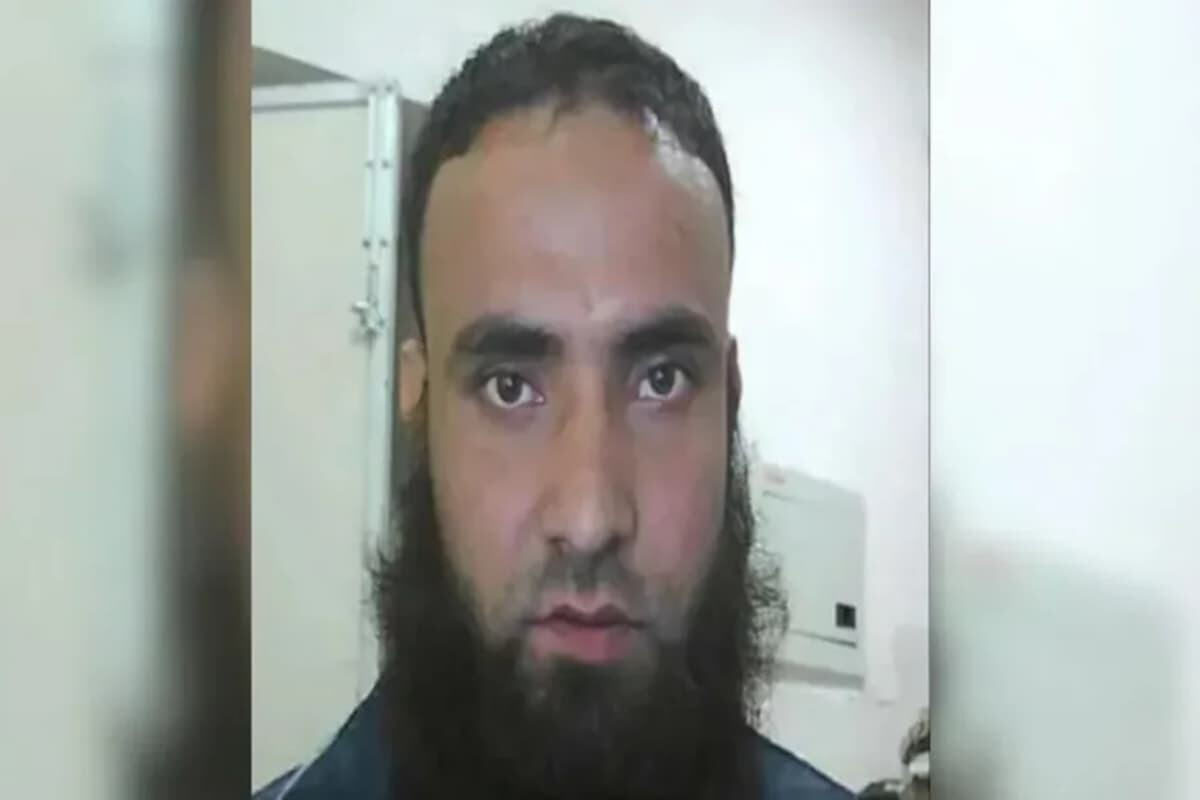
Indian police and intelligence agencies have claimed to have foiled a major terrorist plot, arresting eight suspected operatives linked to the Pakistan-based militant organisation Lashkar-e-Taiba. Authorities stated that seven of those detained are Bangladeshi nationals, raising fresh concerns about cross-border militancy and regional security.
According to reports in Indian media, the arrests followed a coordinated operation lasting nearly two months. Security forces carried out raids in multiple locations, including areas along the Bangladesh border, as well as in Kolkata, Delhi, and the southern state of Tamil Nadu. Officials described the operation as intelligence-led and designed to dismantle a suspected militant cell before it could execute a large-scale attack.
The alleged mastermind behind the plot has been identified as Shabbir Ahmed Lone. Investigators claim that he had previously fled to Bangladesh and was operating from there before re-entering India through the Nepal border. He was eventually apprehended near the Bangladesh frontier, although some accounts suggest he had been coordinating activities from a hideout near Dhaka.
Authorities further disclosed that Lone had previously been arrested in 2007 in Srinagar while in possession of an assault rifle and grenades. He remained in custody at Tihar Prison in Delhi until 2018, when he was released on bail. His alleged return to militant activity has prompted renewed scrutiny of monitoring mechanisms for former detainees.
The seven Bangladeshi nationals arrested in connection with the case have been identified as follows:
| Name | Age | District (Bangladesh) |
|---|---|---|
| Mizanur Rahman | 32 | Bogura |
| Zahidul Islam | 40 | Bogura |
| Mohammad Liton | 40 | Bogura |
| Mohammad Uzzal | 27 | Bogura |
| Umar Faruk | 32 | Bogura |
| Md. Shafayet Hossain | 34 | Jhalokathi |
| Rabiul Islam | 27 | Thakurgaon |
During the operation, police recovered ten mobile phones, twenty-five debit and credit cards, five point-of-sale machines, Bangladeshi passports, and several posters. Investigators believe these items were used for communication, financial transactions, and logistical coordination within the network.
Indian authorities assert that the group was in the advanced stages of planning a major attack, although no specific targets have been disclosed. Officials emphasised that timely intelligence gathering and coordinated action played a crucial role in preventing what could have been a serious security incident.
The development highlights the ongoing challenges faced by countries in South Asia in addressing transnational militancy. It also underlines the importance of enhanced intelligence-sharing and cooperation to counter networks operating across porous borders.




Comments