Sunday, 5th April 2026

Khabor Wala Desk
Published: 4th August 2025, 4:54 PM
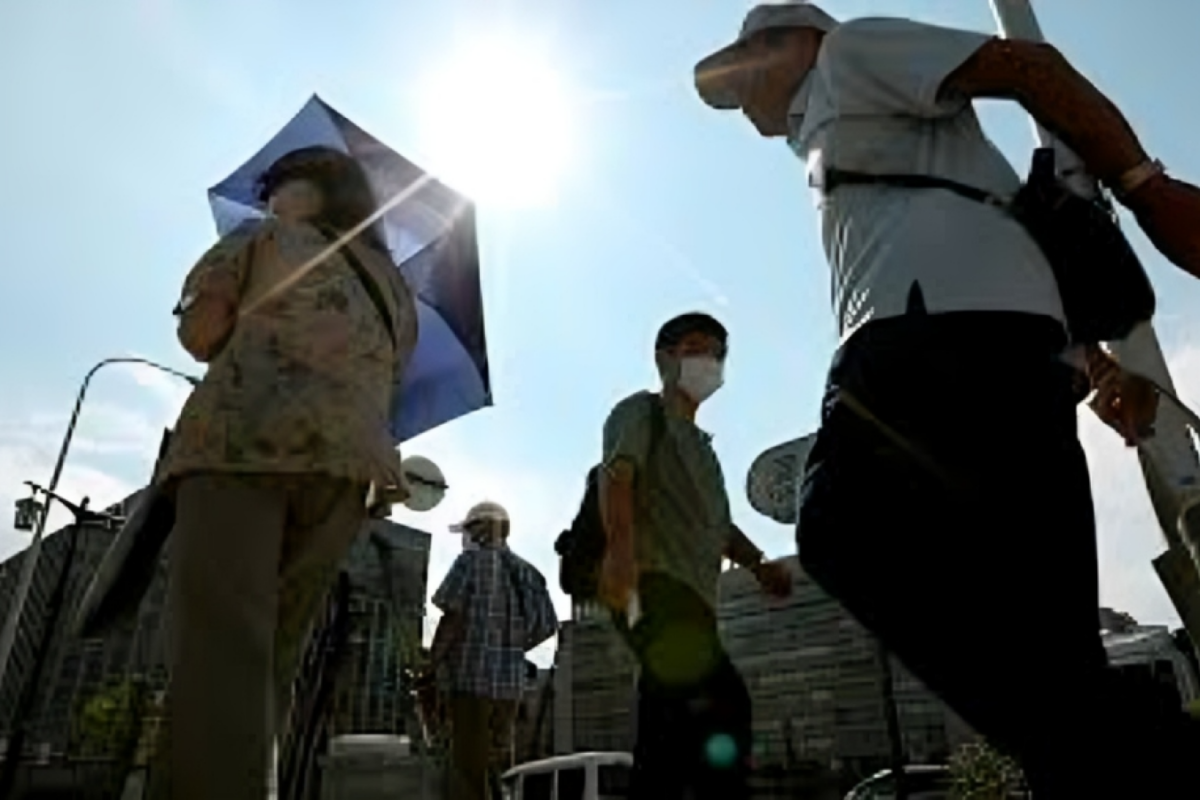
Japan broke 17 new heat records on Monday, the national weather agency confirmed, as the country continues to experience its hottest June and July on record—a stark indicator of the intensifying climate crisis.
According to the Japan Meteorological Agency (JMA), temperatures soared to unprecedented highs across multiple regions, highlighting the alarming trend of more frequent and severe heatwaves attributed to human-induced climate change.
Record-Breaking Temperatures Across the Country
Among the most extreme temperatures recorded:
| Location | Region | Temperature | Previous Record Broken |
| Komatsu | Ishikawa (Central) | 40.3°C (104°F) | ✔️ New all-time high |
| Toyama City | Toyama (Central) | 39.8°C (103°F) | ✔️ Hottest since records began |
| 15 Other Locations | Nationwide | 35.7°C – 39.8°C | ✔️ Record highs at each site |
The JMA monitors temperature levels at over 900 locations nationwide. This widespread temperature surge follows the 41.2°C (106°F) reading in Hyogo Prefecture on 30 July, the highest temperature ever recorded in Japan.
Earlier End to Rainy Season and Drought Conditions
This year’s rainy season ended nearly three weeks earlier than usual across western Japan, marking yet another climate anomaly. The early end to rainfall, combined with persistent high temperatures, has left several dams in Japan’s northern regions critically depleted, according to the Ministry of Land, Infrastructure, Transport and Tourism.
| Issue | Impact |
| Rainy season ended early | ~3 weeks earlier in western regions |
| Dam water levels | Critically low in northern Japan |
| Agricultural concern | Farmers warn of water shortages and failed crops |
Environmental and Ecological Impacts
The climate crisis is not just raising mercury levels; it’s beginning to warp Japan’s ecological and cultural rhythms:
Long-Term Climate Trends and Global Context
Japan’s June and July 2025 are officially its hottest since national records began in 1898, and more “severe heat” is forecasted for the months ahead.
Globally, temperature increases are progressing at varying speeds. According to the US National Oceanic and Atmospheric Administration (NOAA):
| Continent | Rate of Warming (per decade since 1990) |
| Europe | Fastest increase |
| Asia | Second-fastest warming |
The relentless rise in temperature across Japan is a stark reminder of the accelerating pace of global warming, with cascading impacts on water supply, agriculture, public health, and cultural heritage. Japanese authorities and scientists are urging rapid climate adaptation and mitigation efforts to cope with this new normal.



Comments