Sunday, 5th April 2026

Khabor Wala Desk
Published: 13th January 2026, 1:40 PM
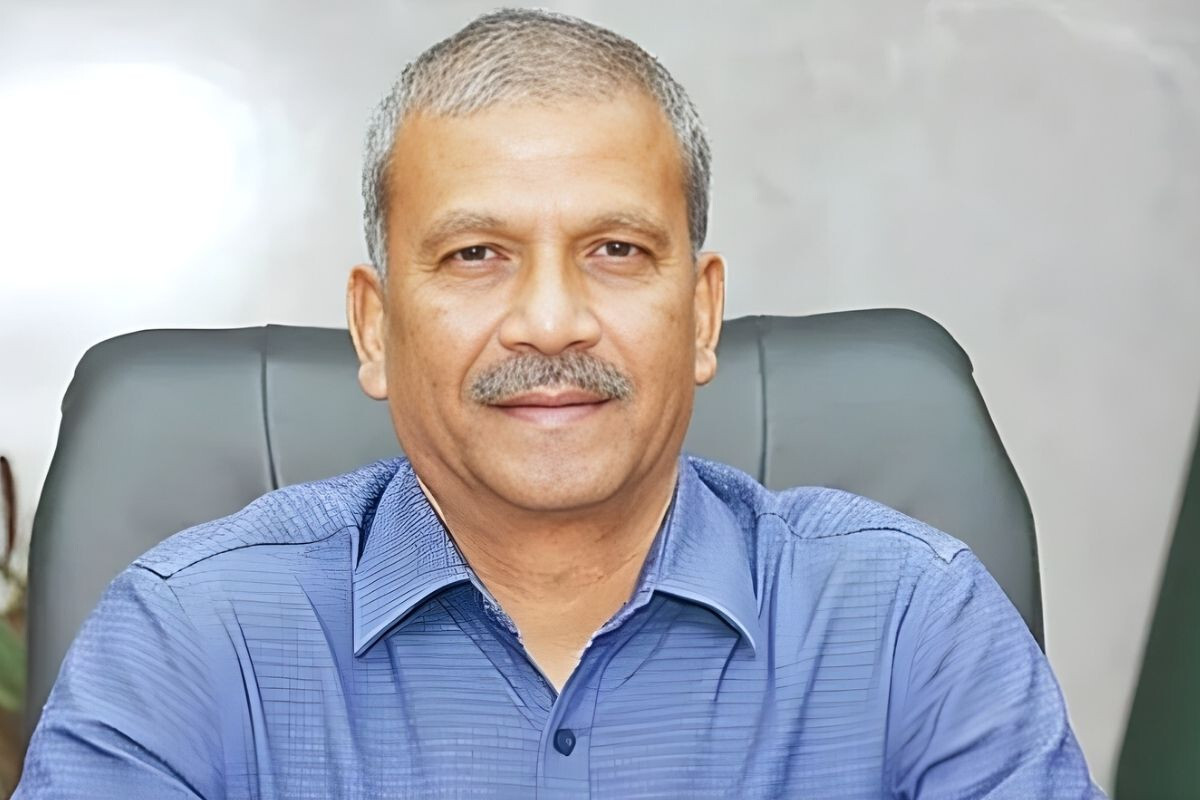
Dhaka, 13 January 2026 (BASS): The Expat Welfare Bank is set to launch Sharia-compliant loan facilities for Bangladeshi expatriates in the near future, according to Dr. Asif Nazrul, Advisor to the Interim Government on Law, Expatriate Welfare and Overseas Employment, and Youth and Sports.
Dr. Nazrul confirmed the development in a post on his verified Facebook page, stating: “Good news for our expatriate brothers. The Expat Welfare Bank will shortly begin providing Sharia-compliant loans. I spoke with the bank’s Managing Director today, who confirmed that the programme could be operational within this month.”
The Advisor also acknowledged the inspiration behind the initiative, expressing special thanks to Shaykh Ahmadullah for his guidance. He emphasised that this move aims to provide expatriates with accessible financial support in full accordance with Islamic principles.
Sharia-compliant loans, structured according to Islamic banking principles, are interest-free and offer financial assistance through legitimate investment mechanisms. Typically, such loans follow profit-sharing (Mudaraba), cost-plus sale contracts (Murabaha), or leasing arrangements (Ijara). These methods allow borrowers to access credit without engaging in interest-based transactions.
The proposed features of the Expat Welfare Bank’s Sharia-compliant loan programme are outlined below:
| Feature | Details |
|---|---|
| Type of Loan | Mudaraba, Murabaha, Ijara |
| Interest/Profit Rate | Interest-free; profit-sharing or predetermined profit |
| Eligibility | Bangladeshi expatriates |
| Loan Approval Time | 7–10 working days from application |
| Maximum Loan Limit | Initially set according to bank policy |
Dr. Nazrul highlighted that the initiative will play a significant role in securing the financial well-being of the country’s expatriate community. By providing easy-to-access, interest-free, and Sharia-compliant loans, the programme is expected to positively impact foreign currency inflows and encourage productive investment.
Additionally, the bank plans to offer regular guidance and financial literacy sessions to loan recipients, ensuring that the funds are used effectively and promoting long-term financial stability. Initially, the scheme will primarily serve mid-level expatriate workers, with plans to gradually extend benefits to other categories of overseas Bangladeshis.
This initiative marks a significant step in combining Islamic financial principles with the practical economic needs of the expatriate community, fostering both financial security and sustainable investment opportunities.




Comments