Sunday, 5th April 2026

Khabor Wala Desk
Published: 5th December 2025, 2:12 AM
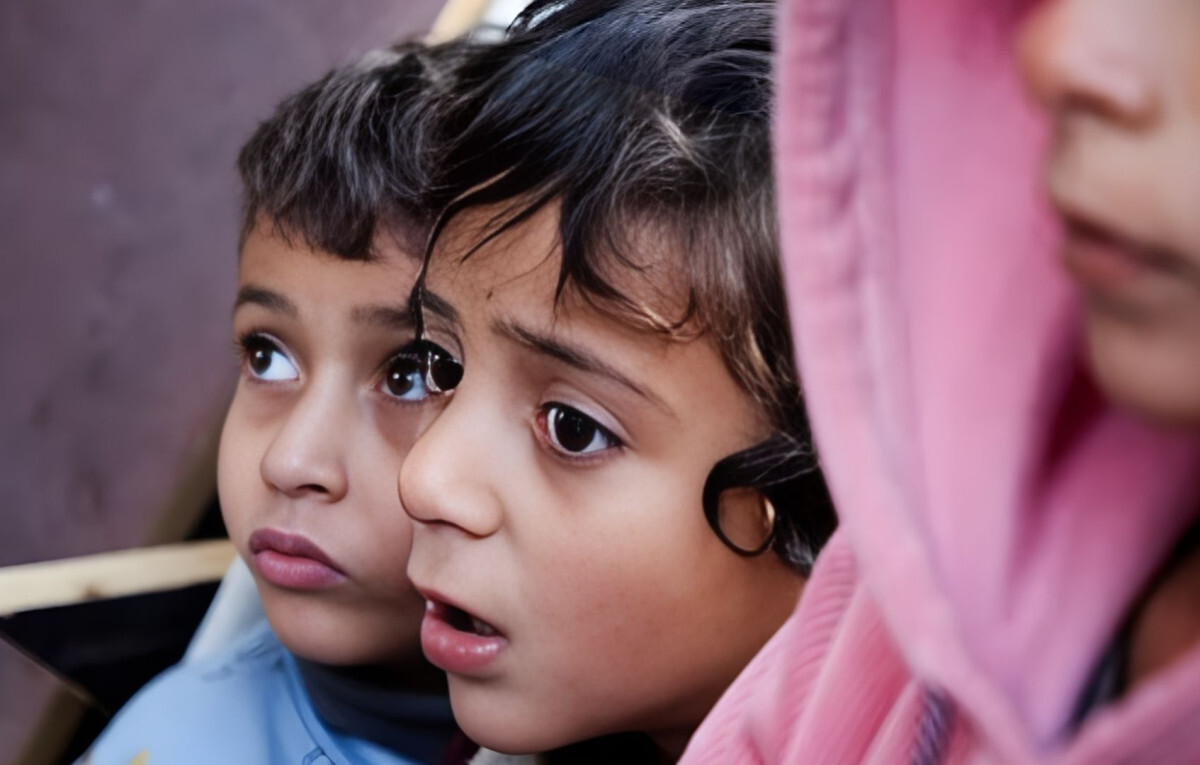
A significant contraction in international financing for global health is expected to lead to a steep rise in child mortality this year, potentially claiming the lives of more than 200,000 additional children under five across the world, according to a new analysis by the Gates Foundation published on Thursday. The findings point to a looming humanitarian crisis that threatens to reverse twenty years of progress in reducing preventable child deaths.
The data paints a stark picture. Since the beginning of the millennium, the global child mortality rate has been dramatically reduced—almost halved—due to investments in public health. Expanded vaccination programmes, improved access to clean water, better maternal health services, and stronger disease-control measures have collectively saved millions of young lives. In 2024, approximately 4.6 million children died before their fifth birthday—a tragic figure but one representing significant progress compared to earlier decades. However, the Foundation now forecasts that this number may rise to 4.8 million in the current year alone.
Bill Gates, co-chair of the organisation, described the current situation as a serious setback. “The world has made steady progress for decades in protecting children’s lives. Now the challenges are mounting, and that progress is slipping backwards,” he said. Gates warned that unless the decline in funding is urgently addressed, the consequences for vulnerable children and families will be catastrophic.
The Foundation’s report also reviews progress towards the United Nations Sustainable Development Goals, which aim to eliminate extreme poverty and strengthen global health systems by 2030. Normally released each September, this year’s assessment was delayed due to uncertainty over the financial commitments of major donor nations following widespread reductions in aid budgets.
The crisis began earlier this year when the United States cut its contributions to international development programmes. This move was followed by similar reductions from the United Kingdom, Germany, and several other historically significant donors. As a result, global health development assistance has fallen by roughly 27 per cent compared with 2024—a contraction the report describes as “severe and destabilising.”
Beyond the direct impact of these funding cuts, the report highlights broader economic pressures facing developing nations. Many countries have accumulated unsustainable levels of debt, undermining their ability to maintain essential healthcare services. This has led to shortages of medicines, understaffed clinics, and reduced capacity for immunisation campaigns—all of which increase the risk of preventable deaths among children.
The Gates Foundation warns that if the current reduction in funding persists, the long-term consequences will be devastating. Between now and 2045, an additional 12 to 16 million children could die as a result of weakened health systems and the absence of robust international support. Many of these deaths would be easily preventable with basic interventions such as vaccines, nutritional support, and timely medical care.
The report calls for renewed political commitment from donor countries, warning that global health progress cannot be sustained through domestic resources alone. It urges wealthy nations to restore funding levels, multilateral institutions to enhance their support mechanisms, and international creditors to provide meaningful debt relief to struggling economies.
Experts argue that the world is at a critical juncture. If funding is restored and global cooperation strengthened, the progress of the past two decades can be safeguarded. If not, millions of children—particularly in the poorest regions—stand to pay the price for a crisis not of their making.
If you would like, I can also prepare shorter versions, editorial-style pieces, infographics, or bullet-point




Comments