Sunday, 5th April 2026

Khabor Wala Desk
Published: 21st March 2026, 11:52 AM
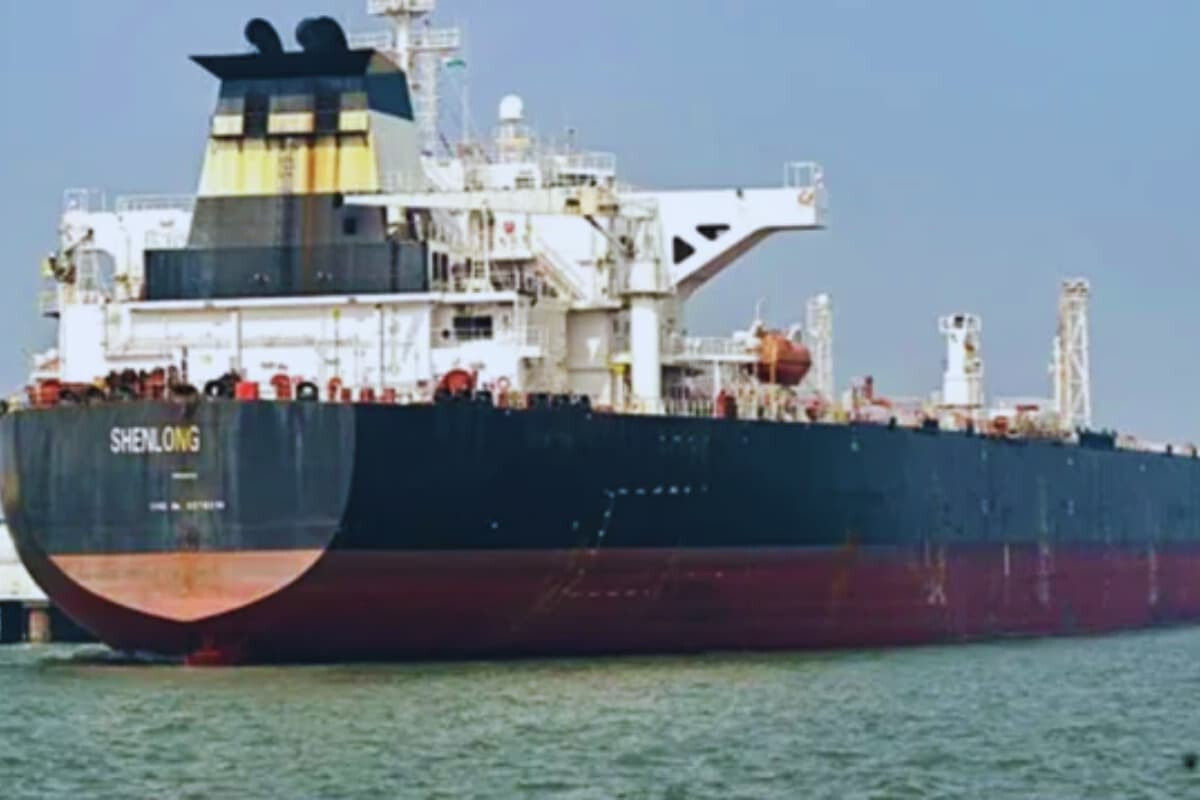
The ongoing conflict in the Middle East has brought one of the world’s most strategically significant maritime corridors, the Strait of Hormuz, to a near standstill. Since the outbreak of hostilities on 28 February, commercial shipping through this narrow waterway has fallen sharply, with traffic decreasing by approximately 95 per cent. Previously, an average of 138 vessels passed through the strait daily, but the number has now dropped to just five or six. This alarming decline was highlighted in an analysis by BBC Verify.
According to BBC Verify, only 99 vessels transited the strait during March. The Joint Maritime Information Centre (JMIC) notes that roughly one-fifth of the world’s oil supply passes through the Strait of Hormuz. The current conflict, however, has put this vital energy and goods supply route under severe threat, prompting only a limited number of ships to risk passage.
Shipping analyst Kpler reports that the majority of vessels still navigating the strait are associated with Iran or its allies. A detailed analysis of the past 20 days shows that one-third of all transiting ships were Iranian, including 14 flying Iran’s flag. Several other vessels under sanctions due to Tehran’s oil trade have also used the route during this period.
| Vessel Type | Number | Ownership / Country | Destination |
|---|---|---|---|
| Iranian-flagged | 14 | Iran | Various regional ports |
| Chinese-owned | 9 | China | Iran and regional trade |
| India-bound | 6 | Various | India |
| Pakistani oil tanker | 1 | Pakistan | Near Iranian coast |
| Greek-owned | Several | Greece | Iranian ports |
Some Western-owned vessels have also braved the route despite the risks, while non-Iranian ships, including several Greek-owned vessels, have anchored in Iranian ports. Mariners are increasingly adopting alternative routes to avoid drones and missile attacks, resulting in longer voyage distances. Tracking data from 15 March shows a Pakistani-flagged oil tanker navigating extremely close to the Iranian coast to evade potential attacks and minimise radar detection.
The dramatic drop in shipping through the strait has already sparked volatility in international oil markets. Disruptions in energy supply have begun to affect the prices of everyday goods, and experts warn that a prolonged stalemate could place renewed inflationary pressure on the global economy. Analysts emphasise the urgent need for coordinated international efforts to secure the Strait of Hormuz, which remains vital for global energy security.



Comments