Sunday, 5th April 2026

Khabor Wala Desk
Published: 11th February 2026, 11:36 PM
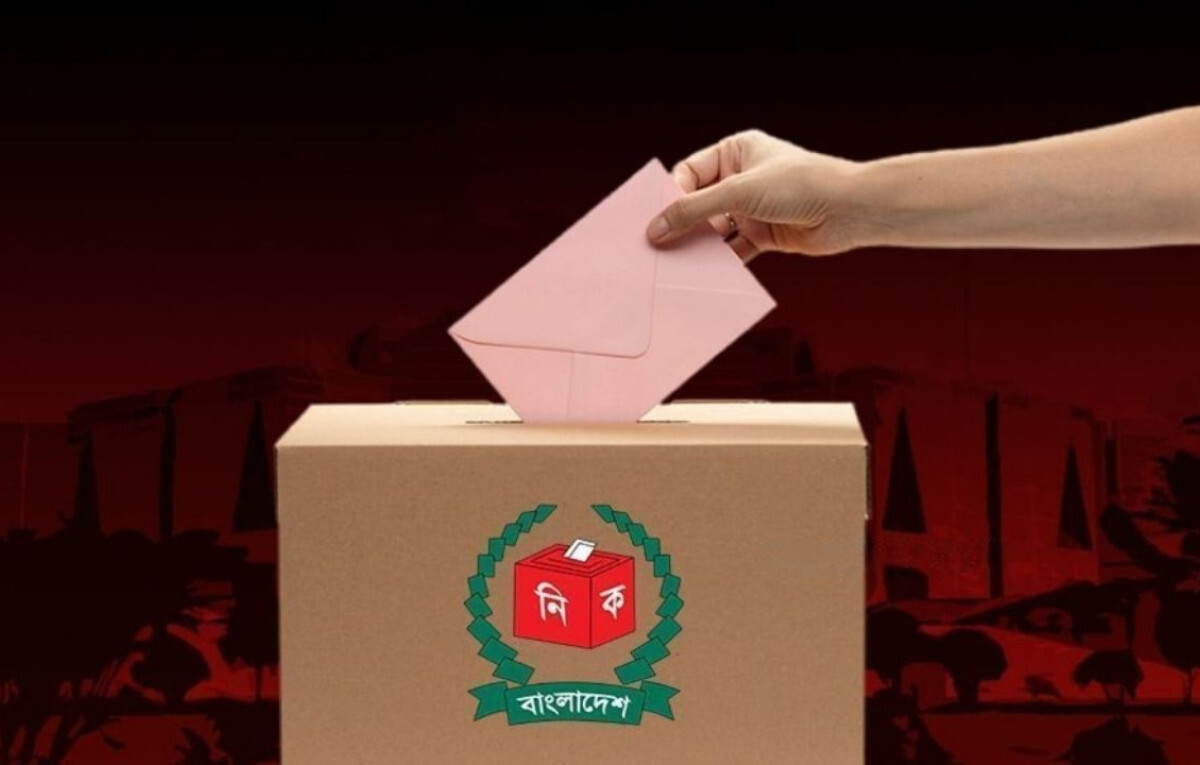
As Bangladesh approaches its most significant electoral test in decades, the political landscape has been fundamentally reshaped. Following three highly contentious elections, the upcoming ballot is viewed as a critical juncture for the nation’s democratic transition. For the first time in history, a national referendum is being held concurrently with the parliamentary elections, distinguishing this 13th general election from all twelve previous iterations since independence.
The “July Revolution” of 2024 has dismantled old political certainties. While major alliances are locked in a fierce public battle, political analysts suggest that the true victors will be determined by the “Silent Voters”—diverse groups who have remained conspicuously quiet during the raucous campaign period but hold the ultimate power within the secrecy of the voting booth.
The most influential segment of this silent majority is the youth. According to the Election Commission (EC), there are approximately 50 million voters aged between 18 and 35. This massive demographic is largely disillusioned with traditional partisan bickering. Instead of ideological loyalty, these voters are prioritising:
Local infrastructure and sustainable development.
Personal integrity and “clean images” of candidates.
The tangible presence of candidates within their constituencies.
Since a vast portion of these new voters do not identify with any specific political banner, their eleventh-hour leanings are expected to create “kingmaker” scenarios in tightly contested seats.
Women constitute nearly half of the total electorate, yet a significant portion of grassroots female voters remains unaffiliated with formal political wings. Recognising this, parties have tailored their manifestos with specific promises regarding women’s safety and economic empowerment. Similarly, the minority vote—estimated at over 10 million—remains a potent force. In certain constituencies, minority communities comprise over 40% of the electorate, making their “silent” preference a mathematical necessity for victory.
| Category | Estimated Number | Influence Level |
|---|---|---|
| Total Registered Voters | 127,711,793 | 100% |
| Female Voters | 62,885,200 | Very High (Decisive in rural seats) |
| Youth (18–35 years) | ~50,000,000 | Primary Kingmakers |
| Minority Voters | >10,000,000 | Critical in 60+ constituencies |
| Displaced Supporters (AL) | Undisclosed | Significant (Potential “spoiler” effect) |
A unique variable in this election is the role of the supporters of the Awami League (AL). Following the collapse of the Sheikh Hasina administration on 5 August 2024, the party’s rank and file have largely retreated from public life. While the party leadership has called for a boycott from their positions of exile or detention, local observers note that many grassroots supporters are still planning to vote.
These “homeless” voters are being courted subtly by various candidates. Their decision to either abstain, cast blank ballots, or support specific independents or smaller parties adds a layer of unpredictability that could narrow the victory margins significantly.
Dr. Abdul Alim, a former member of the Election System Reform Commission, notes that the margin of victory in many seats will be razor-thin. “The silent voters—particularly the youth—will act as the ultimate regulator. Whichever candidate can tilt the silent demographic in their favour during the final hours of polling will likely secure their seat in parliament,” he observed.
With the world watching, these millions of silent citizens are ready to break their silence through the stroke of a stamp, defining the trajectory of the “New Bangladesh.”


Comments