Sunday, 5th April 2026

Khabor Wala Desk
Published: 9th November 2025, 10:00 AM
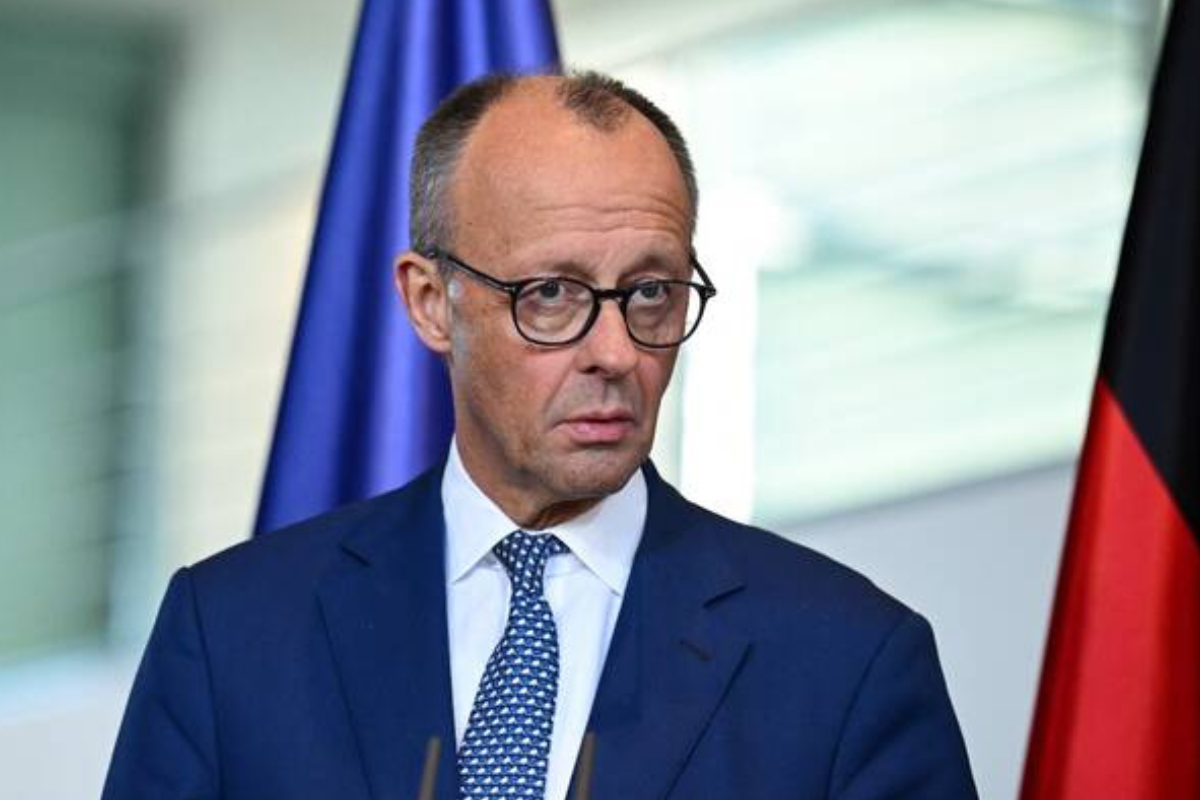
After just six months in office, German Chancellor Friedrich Merz is contending with coalition infighting, policy deadlock, and declining poll ratings, undermining efforts to counter the rising far-right Alternative for Germany (AfD).
The conservative politician, who campaigned on bold pledges to revive Germany’s stagnant economy, overhaul the military, and tighten immigration policy, has faced a turbulent start.
In German post-war politics, “there has never been such widespread dissatisfaction with a government in such a short period of time,” Manfred Guellner, director of the Forsa polling institute, told AFP. For Germans expecting decisive leadership after the previous government’s collapse, “their expectations have been dashed,” he added.
Merz’s centre-right CDU/CSU bloc, which won February’s general election, now finds itself neck-and-neck in the polls with the AfD, which came second in the vote and is now the largest opposition party.
Meanwhile, Merz’s junior coalition partners, the centre-left Social Democrats (SPD), have seen their popularity drop further after a poor election showing, polling at around 13–15 percent.
“It is clear that many citizens are dissatisfied or disappointed with the government’s work so far,” said Roderich Kiesewetter, a CDU MP. He criticised the coalition for focusing on migration rather than the economy, education, and security.
Increasing Tensions
Tensions have risen between the ruling parties since Merz failed to secure a first-round parliamentary vote for chancellorship in May, a first in post-war Germany.
In July, the coalition could not agree on the appointment of three constitutional court judges, with conservatives rejecting the SPD nominee as too left-wing.
A revolt by young CDU MPs over a pension reform plan—already approved by the cabinet—argued that it would burden future generations.
An intended overhaul of Germany’s military service system, designed to strengthen NATO leadership in response to the Russian threat, has stalled amid debate over reintroducing limited conscription.
Even Foreign Minister Johann Wadephul, a close Merz ally, has faced criticism from within the conservative bloc for questioning the potential return of Syrian refugees to Germany.
“With support so low after February, the CDU/CSU and SPD are finding it increasingly difficult to compromise,” said Aiko Wagner, a political scientist at the Free University of Berlin. Both sides fear alienating their own supporters if they do.
Tough Migration Rhetoric
Merz’s coalition struggles complicate efforts to counter the AfD, which he has identified as the main opponent ahead of five regional elections in 2026.
The Chancellor has adopted hardline immigration rhetoric, including a controversial October remark on the “German urban cityscape,” viewed as criticism of migrant communities. The comment alienated both Social Democrats and moderates within his own party.
Guellner suggested Merz made “a fatal mistake” by emphasising migration when the economy is the principal concern of voters.
The AfD, meanwhile, sees opportunity in the government’s difficulties. MP Sebastian Muenzenmaier told AFP that a majority of Germans had supported conservative or right-wing parties, but Merz’s coalition appeared incapable of fulfilling promises.
“No one sees this government staying in power for four years,” he said, predicting strong AfD performances in next year’s state elections. “Many believe that after the elections, the situation will become very difficult for the government in Berlin and that it will collapse.”
The prospect of another coalition crisis and early elections worries ordinary citizens. Visitors Stephanie and Bernd Nebel from Munich, speaking outside the Reichstag, said the government had failed to deliver on its key promise: “The biggest problem with the coalition so far,” said Bernd, “is that Merz’s government aimed to boost the economic recovery a little—and absolutely nothing has happened.”




Comments