Monday, 6th April 2026

Khabor Wala Desk
Published: 3rd March 2026, 1:58 PM
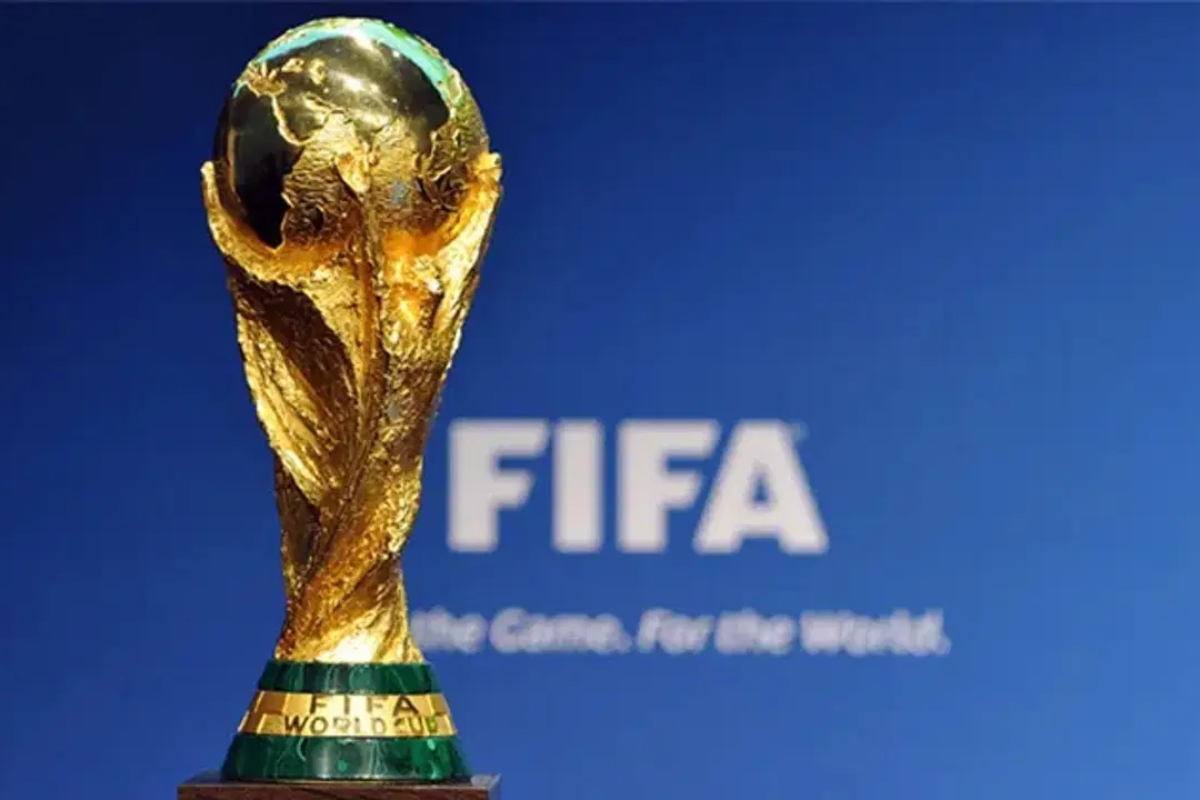
The FIFA World Cup is arguably football’s most prestigious tournament, a global stage that every nation aspires to reach. Yet securing a place in the tournament has never been easy, with teams required to navigate a rigorous qualification process. Even today, countries like Bangladesh and India watch from the sidelines, wistfully imagining what might have been.
However, in the early decades, the World Cup did not carry the same universal importance, and several countries declined to participate despite being eligible. This was particularly evident in the 1950 World Cup held in Brazil. Although sixteen teams were initially expected to compete, only thirteen ultimately took part, as several teams withdrew.
In Asia, four nations entered the qualification rounds: India, Burma (now Myanmar), Indonesia, and the Philippines. Before a single match was played, Burma, Indonesia, and the Philippines withdrew, automatically granting India a place in the tournament. Yet India also chose not to participate. The All India Football Federation prioritised sending players to the 1952 Helsinki Olympics over travelling to distant Brazil. Another widely cited explanation is that India’s players traditionally competed barefoot, and FIFA’s regulations reportedly prohibited barefoot play, contributing to India’s absence.
Europe also witnessed notable withdrawals. Scotland qualified for the World Cup via the British Home Championship, finishing as runners-up to England. However, they had a strict policy: they would only attend the World Cup if they were British champions. As a result, Scotland opted out. Turkey, after comfortably defeating Syria in the first leg of qualification, withdrew due to financial constraints, despite being offered a place following Austria’s withdrawal. Portugal refused a FIFA offer, arguing that they had not earned qualification through merit.
France initially accepted an invitation to join the World Cup draw but later withdrew, citing the travel distance and logistical difficulties. Ireland also declined, citing financial concerns.
| Country | Reason for Withdrawal | Notes |
|---|---|---|
| India | Financial issues, prioritised Olympics, barefoot play | Qualified automatically after other Asian teams withdrew |
| Scotland | National pride – not British champions | Finished second in British Home Championship |
| Turkey | Financial constraints | Offered spot after Austria withdrew |
| Portugal | Refusal due to lack of qualification | Did not pass qualification on merit |
| France | Travel distance and logistical difficulties | Initially accepted invitation |
| Ireland | Financial constraints | Declined FIFA’s invitation |
The 1950 World Cup remains a historical anomaly, illustrating that qualification alone did not guarantee participation. Economic challenges, national pride, and logistical issues prevented several qualified teams from competing, leaving Brazil’s tournament marked not only by triumphs on the pitch but also by notable absences.



Comments