Sunday, 5th April 2026

Khabor Wala Desk
Published: 11th January 2026, 9:12 AM
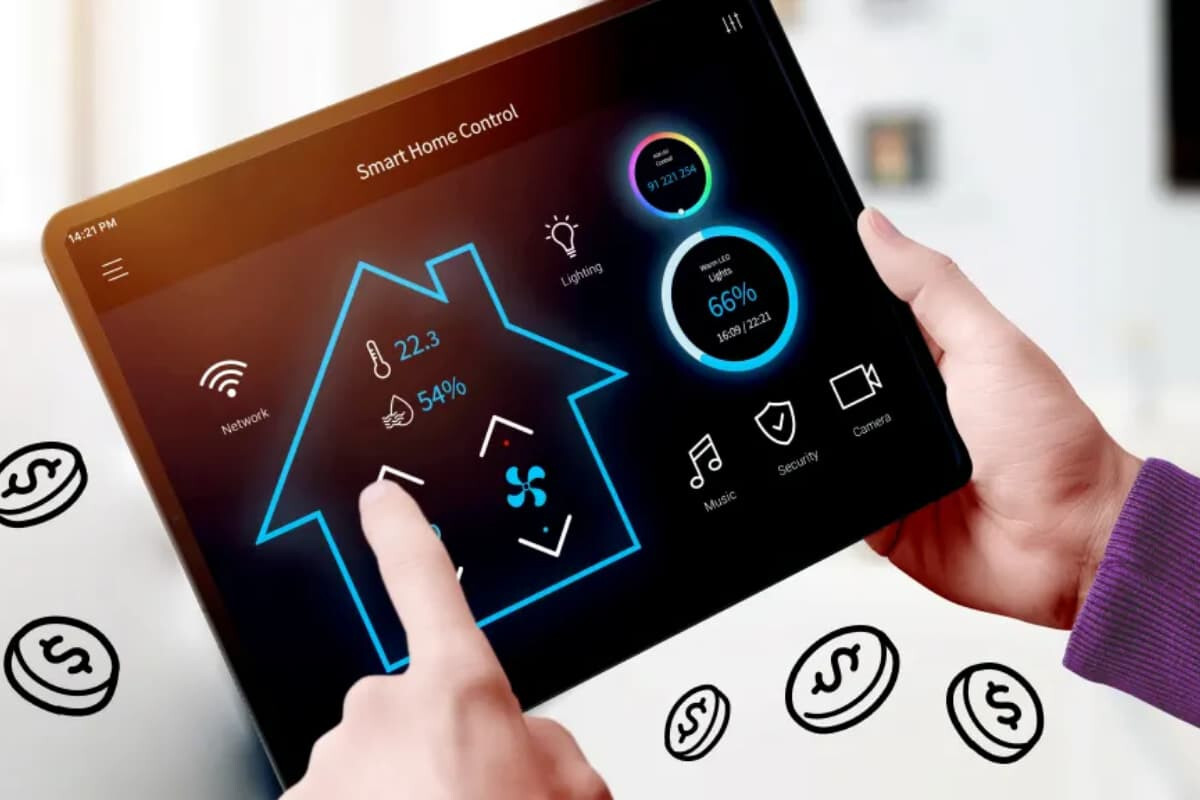
For decades, homeowners’ insurance has largely been reactive, offering protection only after a loss has occurred. Burst pipes, faulty washing machine hoses, or leaking water heaters would trigger claims, often leaving homeowners to contend with substantial damage before assistance arrived. However, the advent of affordable smart sensors and connected home technologies has begun to fundamentally transform the sector. Today, insurers and policyholders alike can detect and even prevent many of the most disruptive incidents before they happen.
Escalating Costs of Water-Related Damage
Water damage continues to be the most frequent and costly non-weather-related claim in personal home insurance. The average water-related loss now exceeds $15,000, and as modern homes grow more complex—with multiple bathrooms, second-floor laundries, and smart appliances incorporating water lines—the potential for damage has increased significantly. Despite these risks, most homeowners remain reactive, installing preventive measures only after experiencing a loss. This presents a strategic opportunity for insurance agents to add genuine value by educating clients about proactive risk management rather than merely selling policies.
How Smart Sensors Are Reshaping Risk Management
Smart sensors, a subset of the Internet of Things (IoT), are revolutionising how risks are identified and managed. These devices detect leaks, excess humidity, or freezing conditions and send instant alerts to homeowners via smartphones. Some insurers integrate sensor data into loss prevention and claims processes, enabling early intervention to mitigate damage. Others analyse anonymised sensor information to refine underwriting, improve claims efficiency, and gain a clearer understanding of emerging risk trends.
Types of Smart Water Protection Devices
| Device Type | Function | Benefits | Typical Cost |
|---|---|---|---|
| Point-of-Leak Sensors | Installed near appliances or fixtures | Instant alerts; prevent minor leaks escalating to floods | Low |
| Whole-House Water Monitors | Fitted to main water line; track overall usage | Dashboard monitoring; detects hidden leaks | Medium |
| Automatic Shutoff Systems | Closes main water valve upon abnormal flow | Prevents major damage even when home is empty | High |
Adoption Challenges and Agent Roles
Despite their proven effectiveness, adoption of smart sensors remains limited. Surveys indicate that over 50% of homeowners install such devices only after experiencing a water-related loss. Barriers include lack of awareness, uncertainty about installation, and perceived cost. Independent insurance agents play a crucial role in bridging this gap. By educating clients during policy reviews or renewals, agents can highlight that smart water protection systems are affordable, easy to install, and may even qualify for premium discounts.
A Preventive Future for Home Insurance
The integration of smart sensor technology is driving a shift from reactive insurance protection to proactive prevention. Beyond mitigating losses, these devices strengthen client trust, improve customer experience, and position agents as forward-thinking advisors. As the future of home insurance increasingly focuses on prevention, connected sensors empower homeowners to safeguard their properties, reduce claims, and foster long-term security and peace of mind.




Comments