Sunday, 5th April 2026

Khabor Wala Desk
Published: 14th December 2025, 4:32 AM
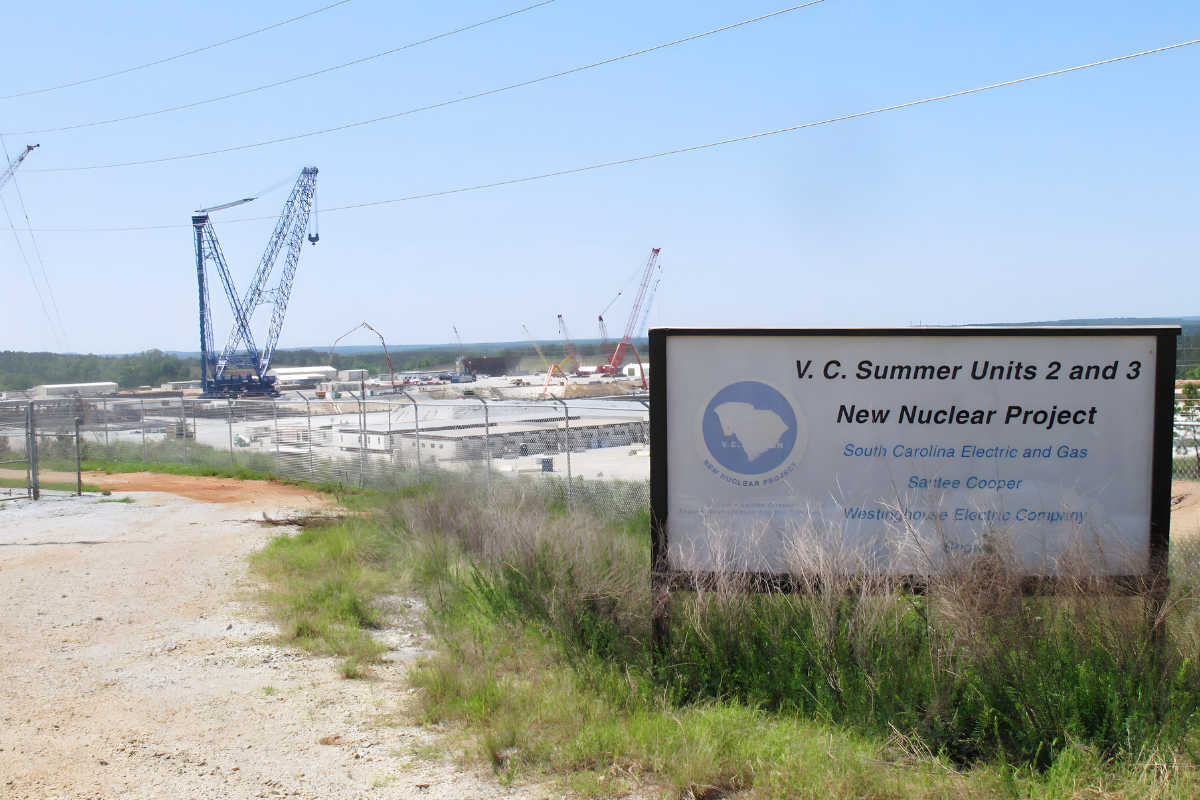
South Carolina’s long-dormant nuclear power facilities may be poised for a significant revival, following a recent proposal from private investment firm Brookfield Asset Management. The company has submitted a $2.7 billion bid to state-affiliated utility Santee Cooper, offering the possibility of putting these long-inactive plants back into operation. While discussions are still at a preliminary stage, both parties anticipate negotiations could continue over the next two years, allowing for a detailed assessment of operational and financial considerations.
Under the proposed arrangement, Brookfield would retain at least 75% of the electricity generated, potentially supplying high-demand clients, including major data centres. Santee Cooper’s share would depend on the level of investment it commits to restarting two partially constructed reactors. Both entities would retain the right to withdraw from the deal, although Brookfield has already agreed to cover ongoing discussion costs as well as remaining project expenses.
Historically, Santee Cooper was a minor partner in the failed V.C. Summer nuclear project, which aimed to build two new reactors but ultimately collapsed. At the time, combined investments by the state and private utility partner South Carolina Electric & Gas exceeded $9 billion. The project’s failure led to legal action against four executives, with penalties ranging from imprisonment to home confinement, while regulators, shareholders, and customers suffered substantial financial losses.
Some reactors in the area remain abandoned, their concrete and steel structures significantly deteriorated, though a neighbouring reactor has been operational since 1984. At a board meeting on Monday, Santee Cooper CEO Jimmy Staton noted, “Since 2017, our customers have been paying for these assets. Now it is time to demonstrate clear benefits to them.” If approved, the proposal could significantly reduce Santee Cooper’s power debt and bolster regional electricity supply.
Demand for electricity in the United States is rising rapidly, driven largely by the expansion of data centres. Yet reviving the project presents significant challenges. Equipment and structures exposed to the elements for eight years must be assessed for reuse, while new construction permits and operational licences are required. Although Brookfield’s proposed reactor design is proven, it remains costly; a comparable reactor in Georgia was reported to exceed $17 billion in 2023.
If successful, this initiative could mark a pivotal moment for South Carolina’s energy sector, transforming long-idle facilities into a reliable source of high-demand electricity and signalling a new era for the state’s nuclear energy ambitions.




Comments