Sunday, 5th April 2026

Khabor Wala Desk
Published: 22nd September 2025, 8:14 AM
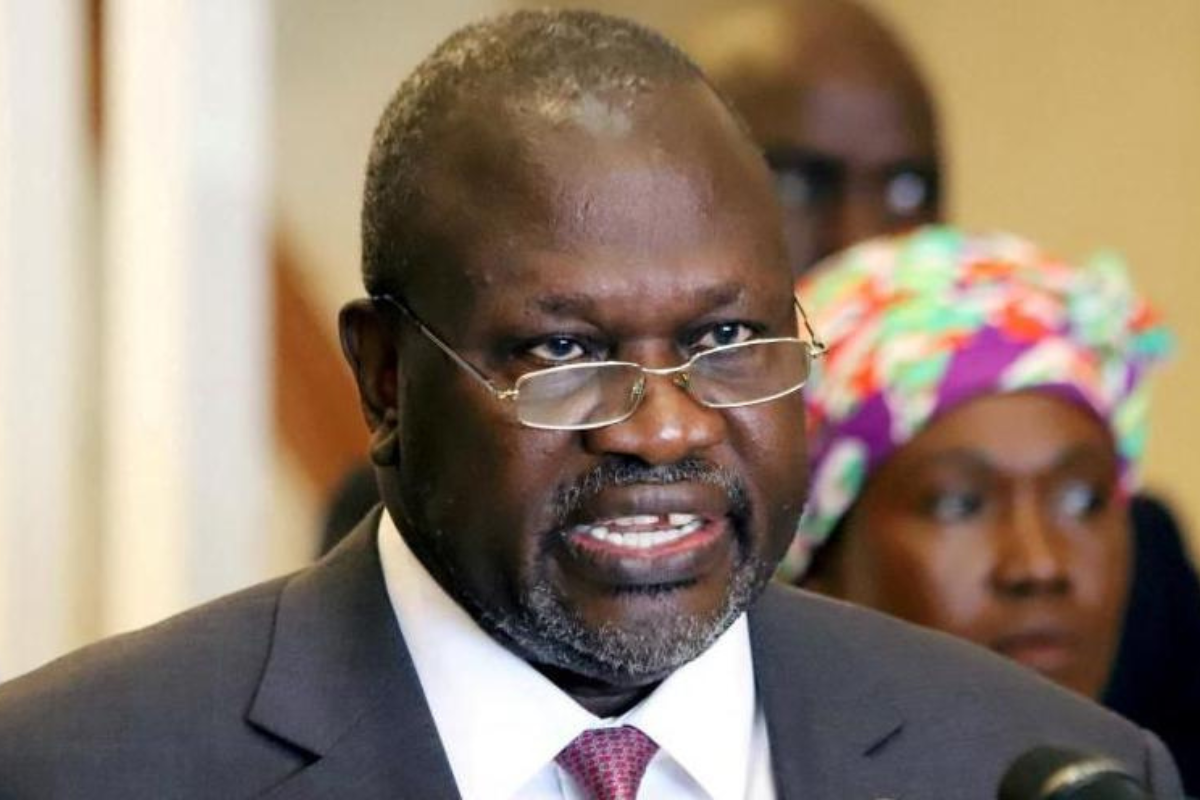
Juba, South Sudan – Opposition leader and former Vice-President Riek Machar appeared in court on Monday after being formally charged with crimes against humanity and treason, according to reports from state media.
Machar’s legal team immediately challenged the court’s authority. His lawyer stated: “His Excellency Dr Riek Machar should not be tried by this incompetent court, which lacks jurisdiction.”
Machar is accused of ordering attacks against government forces earlier this year. However, his supporters argue that the charges are politically motivated, aimed at sidelining him and undermining the 2018 power-sharing agreement that was designed to maintain peace and stability in South Sudan.
| Key Figure | Allegation | Supporters’ Claim |
| Riek Machar | Crimes against humanity and treason | Charges are politically motivated to weaken him and the 2018 peace agreement |
The court appearance comes amid ongoing tensions in South Sudan, where political rivalries have frequently escalated into armed conflict, challenging the nation’s fragile peace processes.
Machar’s supporters maintain that legal action against him is an attempt to consolidate power by the current government, while critics argue that holding leaders accountable is essential to uphold justice and deter future violations.
The trial is expected to be closely monitored both domestically and internationally, given Machar’s prominent role in South Sudan’s politics and the broader implications for peace and governance in the region.
| Issue | Details |
| Charges | Crimes against humanity, treason |
| Legal challenge | Lawyer contests court jurisdiction |
| Political impact | May destabilise 2018 power-sharing agreement |
| International attention | Trial closely observed by global actors concerned with South Sudan’s peace |
The case underscores the fragility of South Sudan’s political landscape and highlights the ongoing struggle between accountability and political rivalry in the country.


Comments